Drinkers with bedtime approaching
If supper ends shortly before bed, caffeine status matters more than whether a blend sounds gentle. NHS Every Mind Matters notes that tea can make you feel more awake and suggests herbal tea as an alternative.


If bedtime is close, decaffeinated green tea lets you keep a green-tea drink while reducing caffeine; choose a naturally caffeine-free herbal infusion instead if avoiding caffeine is the priority. NHS Every Mind Matters notes that caffeine in tea can make you feel more awake, so standard green tea is a less suitable choice close to bed. Twinings says decaf tea can retain traces of caffeine: decaf and caffeine-free are not the same.
If supper ends shortly before bed, caffeine status matters more than whether a blend sounds gentle. NHS Every Mind Matters notes that tea can make you feel more awake and suggests herbal tea as an alternative.
If you want to keep green tea in your cup, compare decaffeinated versions rather than switching straight to a herbal infusion. Twinings and Clipper both identify decaffeinated green-tea options, but decaf should not be assumed caffeine-free.
The flavour name alone does not settle the caffeine question. Teapigs identifies its Green Tea with Mint as caffeinated and its separate pure peppermint infusion as naturally caffeine-free; Pukka states that its matcha green tea contains caffeine.
Start with how close the drink is to bedtime and whether it needs to be green tea. Then read the ingredients, caffeine wording and preparation directions for the particular blend.
| Priority | What to check | Your needs |
|---|---|---|
| Caffeine near bedtime | Distinguish standard, decaffeinated and naturally caffeine-free drinks. NHS Every Mind Matters says caffeine in tea can make you feel more awake; Twinings says decaf tea can retain traces. | I want a hot drink close to bed without choosing standard caffeinated tea. If avoiding caffeine matters more than drinking green tea, I would look for an explicitly caffeine-free herbal infusion. |
| Keeping green tea | Check that the product is green tea and is labelled decaffeinated. Clipper specifies decaffeinated organically grown green tea; Twinings lists Pure Green Decaffeinated. | I would rather keep a green-tea drink after supper, even if that means choosing decaf instead of a caffeine-free herbal flavour. |
| Blend ingredients | Read the tea base as well as the flavour name. Teapigs Green Tea with Mint contains Chunmee green tea and caffeine; its pure peppermint infusion is a different, naturally caffeine-free drink. Pukka states that its matcha green tea contains caffeine. | Mint sounds appealing, but I need to know whether I am buying green tea with mint or a peppermint infusion. I would check matcha blends in the same way. |
| Preparation | Follow the directions for the exact product. Clipper specifies a 1–3 minute infusion for its decaf green tea after allowing boiled water to cool for a minute; Teapigs specifies 80°C water and at least 3 minutes for its Green Tea with Mint. Twinings says brewing conditions affect caffeine extraction from tea. | I want to make the blend as directed, rather than apply one brewing time to every green-tea bag or assume a shorter brew makes a caffeinated tea caffeine-free. |
Green tea naturally contains caffeine. NHS Every Mind Matters notes that caffeine in tea can make you feel more awake, which matters when supper is close to bedtime.
Compare decaf green tea if you want to keep drinking green tea, or an explicitly caffeine-free herbal infusion if avoiding caffeine is more important.
Twinings says minor traces of caffeine can remain in decaffeinated tea. That distinction matters if you want to avoid caffeine rather than reduce it.
Check the product’s caffeine wording and choose an infusion identified as naturally caffeine-free if that is your requirement.
Teapigs Green Tea with Mint contains a caffeinated green-tea base, while Pukka states that its matcha green tea contains caffeine. Neither name establishes suitability for a near-bedtime drink.
Read the ingredient list and caffeine statement. A pure peppermint infusion, such as the separate Teapigs product, is not the same drink as green tea with mint.
Clipper and Teapigs give different instructions for their decaf green tea and Green Tea with Mint respectively. Twinings also notes that brewing conditions affect caffeine extraction.
Use the temperature and infusion time stated for the blend you have chosen; do not rely on brewing changes to remove caffeine from standard green tea.
These examples help distinguish decaf green tea, caffeinated green blends and herbal alternatives; they are not a list of products available in the Joybuy selection below.
A reference point for comparing standard green tea with its named Pure Green Decaffeinated option.
Its Organic & Fairtrade Decaf Green Tea is a green-tea option for shoppers comparing decaffeinated blends.
Its herbal range and matcha green tea sit on different sides of the late-supper caffeine decision.
Its Green Tea with Mint and separate peppermint infusion show why the tea base matters as much as the mint flavour.
These options include a decaffeinated green tea for keeping a green-tea drink and fruit or herbal alternatives for shoppers considering a different type of tea after supper. Check each pack’s caffeine statement if avoiding caffeine is essential.
 No image available
A decaffeinated green tea to consider if you want to keep a green-tea drink after supper while reducing caffeine. The pack contains 50 tea bags and is labelled 100g. Decaf does not establish complete caffeine avoidance; follow the preparation directions on the pack.
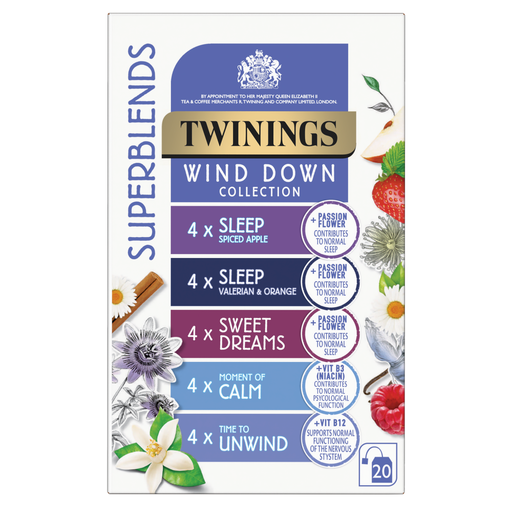 No image available
Consider this collection if you are open to a fruit or herbal drink rather than green tea after supper. It contains 20 tea bags and is labelled 33.2g. Check the chosen sachet’s ingredients, caffeine statement and brewing directions.
 No image available
A lemon-and-ginger alternative if you do not need your after-supper drink to be green tea. The pack contains 20 tea bags. Read its caffeine statement if avoiding caffeine is the reason for switching.
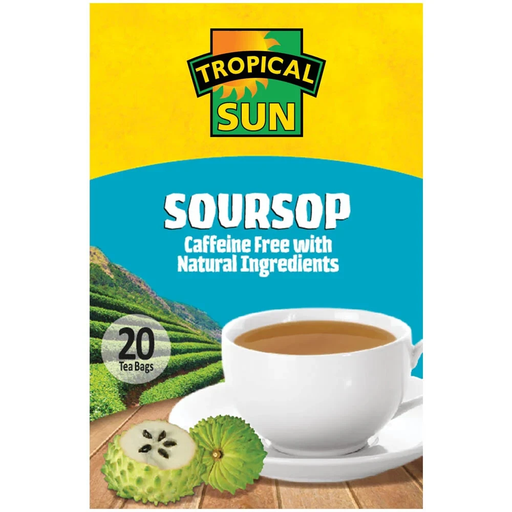 No image available
A soursop-leaf infusion to consider instead of green tea for a late-supper drink. The pack contains 20 tea bags. Check its caffeine declaration and preparation directions when choosing it for use close to bedtime.
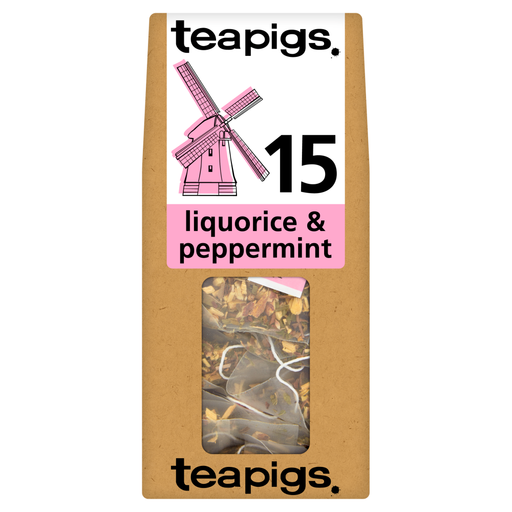 No image available
A liquorice-and-mint alternative for someone considering a different blend from green tea after supper. The pack contains 15 tea bags. Check the ingredients and caffeine wording rather than assuming that every mint-flavoured tea is caffeine-free.
It may not suit you if avoiding caffeine before bed is the priority: green tea contains caffeine, and NHS Every Mind Matters says caffeine in tea can make you feel more awake. For a late supper close to bedtime, compare decaf green tea with an explicitly caffeine-free herbal infusion.
Not necessarily. Twinings says its decaf teas are decaffeinated to 0.2% but can retain minor traces of caffeine. If you want to avoid caffeine rather than reduce it, check for a naturally caffeine-free infusion instead.
No. Teapigs Green Tea with Mint contains Chunmee green tea and is labelled as naturally containing caffeine. Its separate pure peppermint infusion is identified as naturally caffeine-free, so check which tea base you are buying.
Check its caffeine status rather than judging it by its flavour or presentation. Pukka states that its matcha green tea contains caffeine, making that product a different choice from a caffeine-free herbal infusion when bedtime is close.
No; follow the directions for the exact blend. Clipper advises cooling boiled water for a minute and infusing its decaf green tea for 1–3 minutes, while Teapigs specifies 80°C water and at least 3 minutes for Green Tea with Mint. Twinings notes that brewing conditions affect caffeine extraction from tea.