
24/7 Customer Support

Free returns

Same-day & Next-day Delivery

Quality Guaranteed

Unlock Your Welcome Offers: FREE Delivery | Up to 80% OFF | Free 30-day JoyPlus trial
Download the APP
Grenache wine can be fruity, fresh, richly textured or deeply structured, depending on where it is grown and how it is made. That variety makes it appealing for UK dinners, relaxed gatherings and gifting, but it can also make online shopping confusing.
A low price does not always mean good value, while a premium-looking label does not necessarily tell you how the wine will taste. Before choosing a bottle or a Grenache wine case deal, check the style, alcohol content, serving needs and dietary information rather than relying on front-label descriptions alone.
Grenache is known as Garnacha in Spain. It can produce:
A bottle labelled Grenache is therefore not automatically a bold red. Check whether it is a Grenache rosé wine, Grenache red wine or white wine before ordering.
French Grenache wine often comes from the Rhône or Languedoc-Roussillon and may be blended with Syrah, Mourvèdre or other regional grapes. Spanish Garnacha wine can be fresh and fruit-forward or more structured, particularly when sourced from older vines and matured in oak. Australian Grenache wine, especially from warm regions, may show ripe plum, blueberry, spice and higher alcohol.
Country of origin provides useful context, but the producer, vintage, blend and alcohol percentage still matter.
Most online listings use a 75cl Grenache wine bottle, but half bottles and multi-bottle packs are also available. A case can reduce the price per bottle, yet it is only practical if you have enough storage and already know that the style suits your household.
UK shoppers should also check the alcohol percentage and stated units. A 14–15% red contains materially more alcohol per bottle than a 9.5% rosé. Wines commonly contain sulphites, and vegan status should be confirmed from the product listing or packaging because fining methods can differ.
Look for the percentage of Grenache or Garnacha where it is provided. A 100% Garnacha wine will express the variety more directly, while a blend may offer greater structure or spice. For example, a red blend containing Grenache, Syrah, Viognier and Marselan is likely to taste different from a pure Grenache red.
For white wine, confirm that the bottle contains Grenache Blanc, not red Grenache made as a pale or lightly coloured wine. Grenache Blanc typically works with richer seafood, poultry, creamy pasta and vegetarian dishes.
Alcohol content is an objective guide to body and intensity, although it does not determine quality. Lower-ABV rosé can suit daytime lunches and lighter food, while a 14–15% red may be more appropriate with grilled meat, stews or mature cheese.
Serving temperature also affects balance:
Avoid serving every Grenache at room temperature, particularly in a centrally heated UK home.
A single bottle is sensible when trying a new region or style. A pack of two suits small households or gifting, while a case deal is more suitable for entertaining or regular consumption. Store unopened bottles away from heat and direct light. Once opened, reseal and refrigerate rosé or white wine; follow the individual label guidance for storage and consumption.
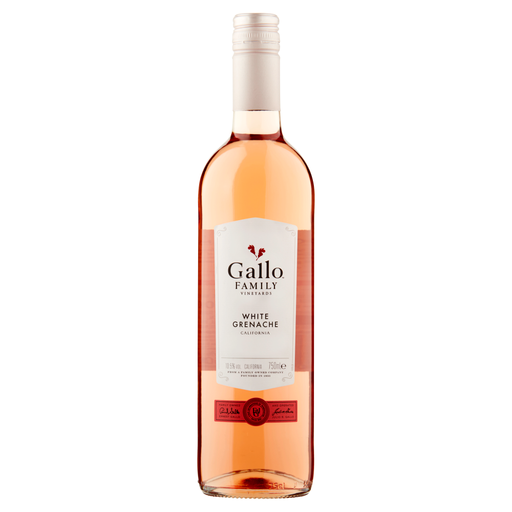
Why This Fits Their Persona: A straightforward option for shoppers trying Grenache rosé with salads, antipasti or grilled seafood.
The listing states the 9.5% alcohol content, 75cl format and strawberry-and-citrus flavour profile, so the style is clear before purchase.
Fruit-led profile, moderate alcohol level and a familiar 75cl bottle format.
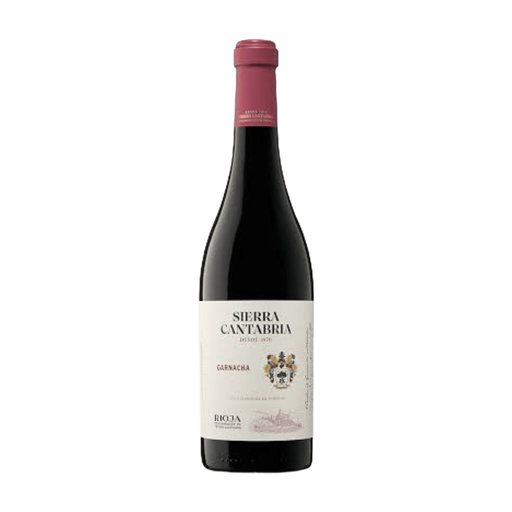
Why This Fits Their Persona: Suitable for shoppers seeking a structured Spanish Garnacha for dinner parties, gifting or a substantial meal.
The listing identifies 100% Garnacha, oak maturation, 15% ABV and a recommended 14–16°C serving temperature.
Spanish origin, oak influence and a full-bodied profile suited to grilled meat, cheese and cured foods.
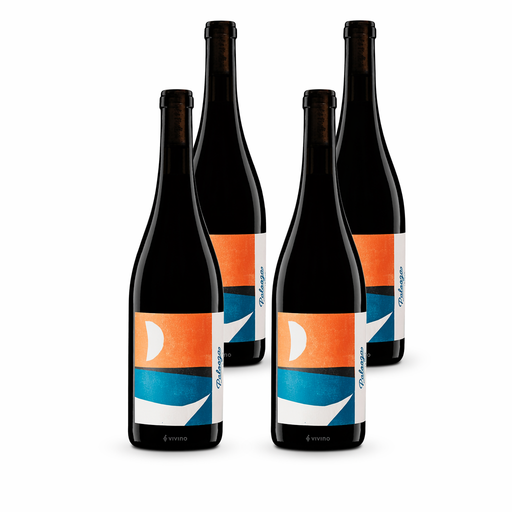
Why This Fits Their Persona: A practical case format for hosts who need several bottles for meals, celebrations or regular red-wine occasions.
The product information lists the grape blend, 13.5% ABV, vegan suitability and suggested serving temperature.
French Languedoc-Roussillon origin and a medium-bodied, fruit-led profile for charcuterie, pasta and grilled foods.
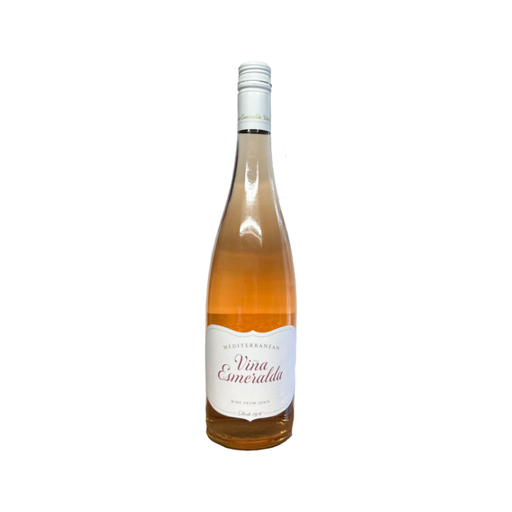
Why This Fits Their Persona: A chilled Spanish rosé for warm-weather lunches, seafood, salads and informal entertaining.
The listing states the Garnacha-led composition, 12.5% ABV, 75cl size and recommended chilled serving temperature.
Crisp red-fruit and citrus-led style; listed as suitable for vegetarians and vegans.
We have compiled a complete, real-time list of products that fully satisfy these strict selection criteria and UK safety regulations.
Grenache can be made in dry, off-dry or sweeter styles. Most red Grenache and Garnacha wines sold for dinner are dry, while rosé may taste fruitier because of its strawberry and citrus aromas. Check the product description and carbohydrate or sugar information where provided.
Light rosé suits salads, seafood, antipasti and mild vegetarian dishes. Medium-bodied red Grenache works with pasta, charcuterie, grilled poultry and pizza. Fuller versions pair with lamb, beef, stews and mature cheese. Serve the wine at the temperature stated on the product page rather than assuming every red should be warm.
Some Grenache wines are labelled vegetarian or vegan, but this should not be assumed from the grape variety. Winemakers may use animal-derived fining agents. Check the listing for explicit vegan suitability and review the physical label when the bottle arrives. All alcohol products are restricted to customers aged 18 and over; drink responsibly and follow UK guidance on alcohol units.