
24/7 Customer Support

Free returns

Same-day & Next-day Delivery

Quality Guaranteed

Unlock Your Welcome Offers: FREE Delivery | Up to 80% OFF | Free 30-day JoyPlus trial
Download the APP
Grenache wine offers plenty of choice, from juicy Spanish Garnacha and structured French Grenache red wine to pale rosé and aromatic Grenache Blanc wine. That variety is useful, but it can also make online shopping confusing. A familiar region or attractive label does not always tell you how the wine will taste, how much alcohol it contains or whether a case represents good value.
Before you buy Grenache wine online, look beyond promotional language and check the details that affect drinking style, food matching and storage. The following guide explains the practical points worth comparing, followed by our top recommendations for different preferences.
Grenache is known as Garnacha in Spain, but its character changes significantly according to climate, harvest decisions and blending. A Rioja Garnacha may be bright and medium-bodied, while Australian Grenache from McLaren Vale can be fuller, richer and higher in alcohol. A Grenache rosé wine is a completely different purchase from a mature, oak-influenced red.
Read the grape composition, region and tasting description rather than relying on the variety name alone.
A higher ABV may accompany ripe fruit and a fuller texture, but it does not automatically indicate better quality. For comparison, a lighter Spanish Garnacha may sit around 13% ABV, while some Australian Grenache and old-vine Rioja examples are listed at 15% ABV. Check the alcohol percentage before ordering several bottles for a long meal or social occasion.
A Grenache wine case deal can reduce the cost per bottle, but only if you have enough suitable storage and genuinely enjoy the style. Most bottles are 75cl and a case can take considerable cupboard or wine-rack space. Fresh rosé and youthful reds are generally intended for relatively early drinking, whereas structured reds may offer a longer drinking window when stored correctly.
Start with the occasion and food:
If you enjoy lighter reds, look for descriptions such as medium-bodied, fresh, juicy or silky tannins. For a richer dinner wine, terms including full-bodied, structured, oak-aged or concentrated may be more relevant.
French Grenache is often labelled simply as Grenache, while Spanish Garnacha may show a regional name such as Rioja. Provence rosé is frequently associated with pale colour and crisp freshness, but colour alone does not establish sweetness or quality.
Australian Grenache, especially McLaren Vale Grenache, can show ripe plum, blueberry, liquorice and savoury spice. South African blends may use Grenache alongside varieties such as Shiraz, Petit Verdot or Cabernet Sauvignon, so check the blend percentage if you specifically want Grenache-led character.
Confirm the ABV and net quantity on the product page. A standard 75cl bottle contains a different total amount of alcohol depending on its percentage. The products below list alcohol levels ranging from 9.5% to 15%, illustrating why this check matters.
Wine commonly contains sulphites, which must be declared as an allergen. Vegetarian and vegan suitability can also differ, particularly where fining agents are used. If this matters to you, check the product information and packaging rather than assuming every wine made from grapes is vegan.
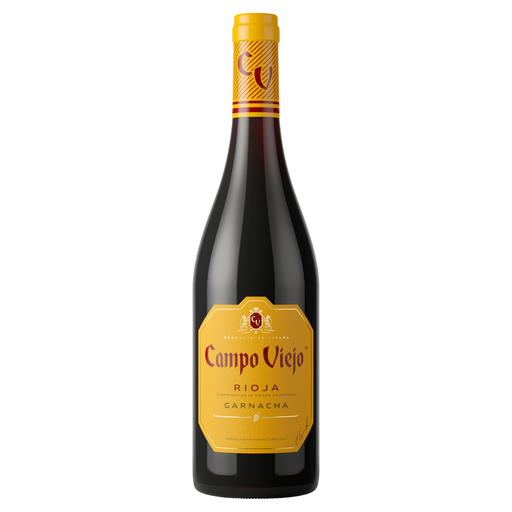
Why This Fits Their Persona: A 100% Garnacha red from Rioja with strawberry, raspberry and cherry notes, 13% ABV and smooth tannins. It suits casual meals, tapas and shoppers exploring Spanish Garnacha without choosing a very full-bodied style.
The listing identifies the grape variety, region, ABV and food matches, so the purchase is not based on label appearance alone.
100% Garnacha; vegan and vegetarian suitable according to the listing; versatile medium-bodied profile.
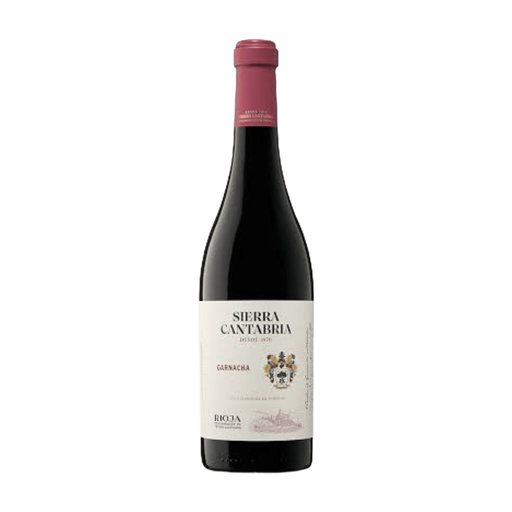
Why This Fits Their Persona: This 100% Garnacha Rioja is listed as having 14 months of predominantly French oak ageing, 15% ABV and a structured palate. It is suited to premium red wine buyers serving grilled meats, cured meats or mature cheese.
The listing sets out the grape, region, oak ageing, serving temperature and stated drinking window, providing practical information for a considered purchase.
100% Garnacha; oak-aged; suitable for immediate enjoyment or further cellaring under appropriate conditions.
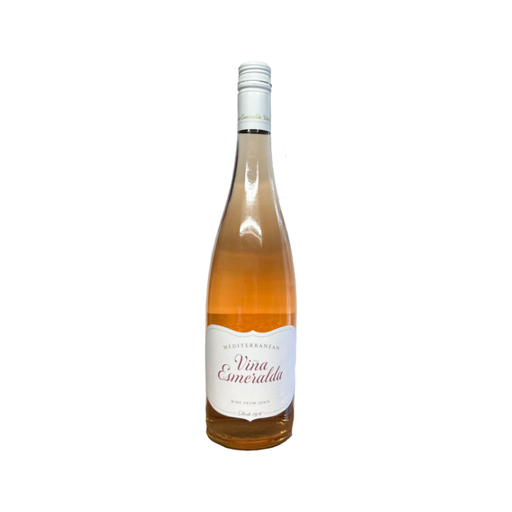
Why This Fits Their Persona: This Catalonian rosé is primarily made from Garnacha and is listed with red berry, citrus and floral notes, 12.5% ABV and a recommended chilled serving temperature.
The product information specifies its grape composition, region, serving temperature and suggested pairings, reducing the risk of choosing by colour alone.
Screw-cap closure; vegetarian and vegan suitable according to the listing; suitable for seafood, salads and aperitifs.
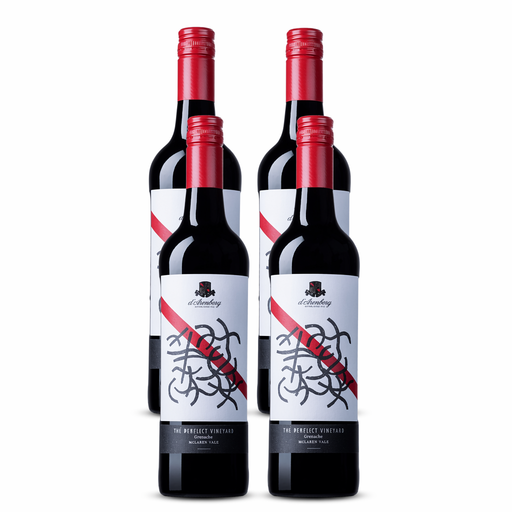
Why This Fits Their Persona: A case format for shoppers who already enjoy richer Australian Grenache. The listing describes McLaren Vale fruit, blueberry, plum, savoury spice, firm tannins and 15% ABV.
The case listing provides the region, grape, ABV, serving guidance and storage conditions, helping buyers assess whether a larger purchase suits their household.
McLaren Vale origin; single-variety Grenache; case format suited to hosting and repeat purchases.
We have compiled a complete, real-time list of products that fully satisfy these strict selection criteria and UK safety regulations.
Serve lighter reds slightly cool, around 14–16°C, rather than at a warm room temperature. Rosé is generally more refreshing at around 8–12°C, while Grenache Blanc is also commonly served chilled. Store unopened bottles away from sunlight, heat and vibration. Once opened, reseal and refrigerate wines where appropriate, then follow the product label for recommended consumption.
All alcoholic products are for customers aged 18 and over. Check the stated units, drink responsibly and remember that the UK Chief Medical Officers advise adults not to regularly exceed 14 units per week.
Not necessarily. Most Grenache red, rosé and white wines sold as table wine are dry, although ripe fruit flavours can make them seem sweet. Check the product description for terms such as dry, crisp or off-dry.
Lighter Garnacha works with tapas, grilled vegetables and cured meats. Fuller Australian Grenache and oak-aged Rioja Garnacha can suit lamb, grilled beef, stews and mature cheese.
It can be practical if you already know the style and have suitable storage. Compare the number of 75cl bottles, price per bottle, ABV, drinking window and delivery terms before ordering.