
24/7 Customer Support

Free returns

Same-day & Next-day Delivery

Quality Guaranteed

Unlock Your Welcome Offers: FREE Delivery | Up to 80% OFF | Free 30-day JoyPlus trial
Download the APP
Choosing Grenade protein supplements is not simply a matter of picking the most appealing flavour. UK shoppers need to compare protein per serving, sugar, allergens, pack size and suitability for their routine. A convenient product can still represent poor value if it does not match your dietary goals or is left unused in a cupboard.
This guide explains the main buying pitfalls, the figures worth checking on the label and which formats may suit different lifestyles.
Many Grenade protein bars are marketed as low-sugar or low-carb options. However, their nutrition panels can include substantial polyols, such as maltitol, alongside carbohydrate. Polyols may affect people differently, particularly when several bars are eaten in a short period.
For example, a 60g Oreo-style bar provides 21g protein and 1.0–1.3g sugar, depending on the listed variant, but also contains around 17g polyols. Check the complete carbohydrate breakdown rather than relying on the front-of-pack sugar figure.
A multipack can reduce the cost per serving, but only if the format fits your habits. A 12-pack of bars may suit someone who regularly needs a portable snack, while an occasional gym-goer may prefer a smaller four-bar pack. Likewise, buying several flavours before checking your preference can lead to waste.
Most of the listed bars and shakes contain milk. Several bars also contain soya and wheat, while peanut varieties contain peanuts. The BCAA powder may contain traces of milk, gluten, eggs, fish, crustaceans, soya, mustard and sulphites because of shared manufacturing facilities.
Always read the packaging supplied with your order. Formulations, allergen statements and instructions can change.
Compare like with like. A Grenade ready-to-drink protein shake contains 26g protein per 330ml bottle, making it straightforward to measure as an on-the-go serving. Most Grenade Carb Killa bars provide 20–21g protein per 60g bar.
The higher figure is not automatically more suitable. Consider whether you need a drink, a chewable snack or a powder mixed with water. Protein supplements should complement, rather than replace, a varied diet unless advised otherwise by a qualified healthcare professional.
If you are looking for high-protein low-sugar snacks, inspect all three figures:
For comparison, the listed Oreo bar supplies approximately 233 kcal, 21g protein and 1.0g sugar per 60g bar. The Jaffa Quake bar supplies approximately 204 kcal, 21g protein and 1.4g sugar. The salted peanut bar supplies approximately 242 kcal, 20g protein and 2.0g sugar.
Ready-to-drink shakes need no mixing, but should be shaken before consumption and refrigerated only if the label instructs it. Once opened, consume promptly. Bars are easier to carry in a work bag or gym kit, but heat can affect their coating and texture.
For BCAA powder, the listed serving is 13g mixed with 350–400ml of cold water, providing 7g BCAAs in a 2:1:1 ratio. It also includes glutamine, magnesium and coconut water powder. Follow the stated serving guidance and do not treat a supplement as a substitute for hydration, meals or professional advice.
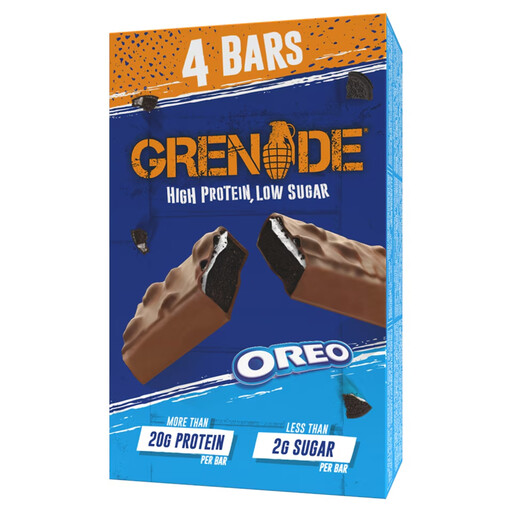
Why This Suits Their Persona: A four-bar pack lets new users try a familiar biscuit flavour without committing to a larger multipack, making it practical for occasional gym sessions, study breaks or office snacking.
The smaller pack reduces the risk of overbuying before checking whether the texture, flavour and polyol content suit you.
Each 60g bar lists 21g protein and approximately 1.0g sugar. It is individually wrapped and ready to eat.
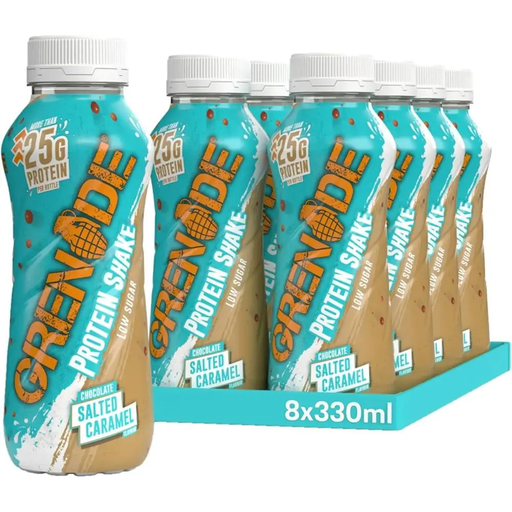
Why This Suits Their Persona: The ready-to-drink format suits commuters, professionals and gym-goers who value consistent portioning and do not want to carry a shaker or powder.
The label clearly specifies the bottle size and protein amount, avoiding vague “high protein” wording without a serving reference.
Each 330ml bottle provides 26g protein and approximately 175 kcal, with a salted caramel flavour and no preparation required.
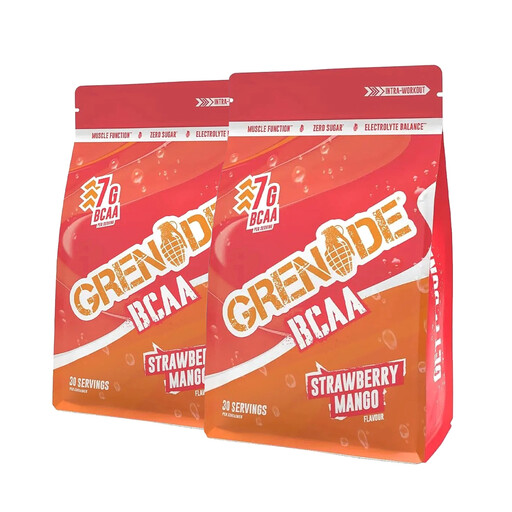
Why This Suits Their Persona: Regular trainers who prefer a mixable drink during or around exercise may value the larger two-pack and strawberry and mango flavour.
The serving size and BCAA quantity are stated directly, so buyers can compare it with other BCAA recovery supplement powders.
The listed serving provides 7g BCAAs in a 2:1:1 ratio, with 0g sugar and added magnesium, glutamine and coconut water powder.
For larger snack supplies, consider the Jaffa Quake protein bar, Peanut Nutter protein bar or White Chocolate Salted Peanut bar. These provide around 20–21g protein per 60g bar, with flavours ranging from chocolate-orange to roasted peanut.
If drinks are easier to use, the strawberries and cream protein shake also supplies 26g protein per 330ml bottle. Compare the eight- and twelve-bottle formats based on cupboard space, consumption frequency and the stated best-before date.
Some are designed with low-sugar and reduced-carbohydrate positioning, but they are not carbohydrate-free. Check total carbohydrate, sugars and polyols on the specific product label. They also contain calories, fat and allergens that should be included in your daily diet planning.
Choose bars for portability, storage and a chewable snack. Choose shakes when you want a measured 26g protein serving without mixing. Both options contain milk, so neither is suitable for people with a milk allergy or intolerance.
The product information advises following the stated dosage and consulting a healthcare professional if you have a medical condition, take medication, are pregnant or breastfeeding. Check the total contents of your supplement routine and read the latest label before combining products.