Frequent batch cook
If you prepare cumin-heavy curries, rubs or meal-prep portions regularly, look for an electric grinder explicitly intended for spices. A stated grinding-chamber capacity helps you judge how many runs your usual batch may need.


For frequent cumin batch cooking, start with an electric grinder explicitly intended for spices, then check the grinding chamber’s capacity and how you will clean it. A dual-bowl model can help keep flavours apart; a pestle and mortar suits smaller quantities when direct control over texture matters more than avoiding repeated manual work.
If you prepare cumin-heavy curries, rubs or meal-prep portions regularly, look for an electric grinder explicitly intended for spices. A stated grinding-chamber capacity helps you judge how many runs your usual batch may need.
If you switch between cumin, coffee, nuts or other spices, consider separate bowls or food-contact parts you can clean between ingredients. Cuisinart UK describes two lidded bowls for its SG21U; that arrangement does not replace allergen controls when you prepare food for sale.
If you grind modest quantities and want to judge the crush as you work, a pestle and mortar offers direct texture control. Lakeland describes electric spice grinders as the quicker, more convenient option when that matters more.
For whole cumin seeds, decide whether repeated batch preparation calls for an electric appliance or whether you would rather grind smaller amounts by hand; then compare capacity, cleaning and texture control.
| Concern | What to check | Who this matters to |
|---|---|---|
| Batch size | Confirm that the maker permits spice grinding and check the grinding chamber’s stated capacity. KRUPS quotes up to 3 oz for beans in the F2034238, not a cumin limit; Judge quotes an 80 g bowl for the JEA86. | When I grind cumin for several meals, I want a chamber that accommodates my batch without repeated refilling. Roughly 42% of consumers put batch throughput first. |
| Flavour separation | Check whether bowls are separate, lidded and washable. Cuisinart UK states that the SG21U has two stainless-steel bowls with sealed lids and dishwasher-safe bowls and lids. | If I alternate cumin with other ingredients, I want to limit flavour carry-over and clean the parts between uses; around 33% of consumers prioritise separation and cleanup. |
| Texture control | Decide whether short electric pulses meet your needs or whether you want to inspect and adjust the crush by hand with a pestle and mortar. | For a small batch, I would rather judge the cumin’s texture myself, even if grinding takes more effort. About 25% of consumers place texture control first. |
A coffee-only description does not establish that a model is intended for cumin. KRUPS and Judge each explicitly list spice grinding for the models discussed here.
Check the maker’s stated uses for spices or seeds before choosing a coffee grinder for cumin.
KRUPS states a capacity of up to 3 oz of beans for the F2034238. That figure is a comparison point, not an exact cumin-seed fill limit.
Follow the model’s instructions for filling and grinding rather than converting a bean capacity directly into a cumin batch size.
Separate bowls can help organise ingredients, but they do not by themselves address allergen information or cross-contamination when food is sold or served to others. The Food Standards Agency’s food-business guidance addresses both responsibilities.
If you prepare food for sale, use documented allergen-information and cross-contamination procedures rather than relying on bowl separation alone.
For products placed on the market in England, Scotland and Wales, GOV.UK guidance dated 31 March 2026 says CE marking continues to be recognised alongside or instead of UKCA where the relevant product rules permit it. That guidance does not establish whether a particular grinder listing meets those rules.
For delivery to Great Britain, ask the retailer or manufacturer about the specific model’s marking and documentation. Check the applicable process separately for Northern Ireland.
The SG21U is a dedicated electric spice-grinder option for cooks interested in separate bowls and lidded ingredient storage.
The F2034238 is a coffee-and-spice mill for buyers who want a published capacity figure as a starting point for comparing batch sizes.
The JEA86 is an electric coffee grinder that Judge also identifies as suitable for spices.
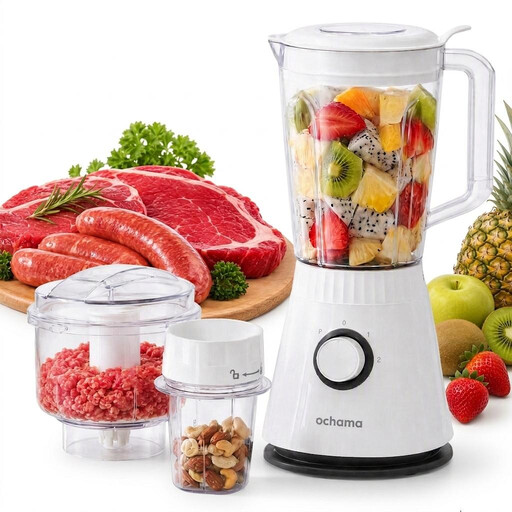
This multipurpose blender is listed for spice grinding as well as other kitchen tasks. Before choosing it for repeated cumin batches, check the grinding chamber’s capacity and controls rather than using the pitcher size as a guide.
 No image available
For home cooks considering one electric appliance for blending and spice grinding. The listed 1.5L capacity belongs to the pitcher, not a confirmed spice-grinding chamber; the appliance is also listed with three speed settings, which should not be assumed to apply to spice grinding. Its components are described as removable for cleaning. Check the grinding chamber’s capacity, pulse operation and lid-safety arrangement if they matter for your cumin batches.
Confirm that the maker lists spices as an intended use, then check the grinding chamber’s stated capacity and cleaning arrangement. KRUPS lists spice use and a capacity of up to 3 oz of beans for the F2034238; Judge lists spice use and an 80 g bowl for the JEA86. Neither figure is a measured cumin yield.
Separate bowls and cleaning between ingredients can help you manage flavour carry-over. Cuisinart UK states that its SG21U has two bowls with sealed lids and that its bowls and lids are dishwasher safe. For food prepared for sale, bowl separation does not replace allergen-information and cross-contamination procedures.
Choose a pestle and mortar when you grind smaller quantities and want to judge the cumin’s texture as you work. Lakeland describes electric spice grinders as the faster, more convenient route, so repeated batch preparation may favour electric grinding if reduced manual effort is your priority.
Check the specific model’s marking and documentation against the rules applicable to that product. GOV.UK guidance dated 31 March 2026 says CE marking continues to be recognised alongside or instead of UKCA for products placed on the market in England, Scotland and Wales where the relevant regulations permit it. Northern Ireland follows a different process.