Buyers using a filter brewer or cafetière
Loose ground coffee is worth considering if you can measure each dose. Check that the pack names your brewing method, then compare the total weight in individual packs and cases.


Confirm what ‘240’ counts before choosing: loose ground coffee is specified by weight, while coffee bags are counted individually. If you can measure doses, consider loose packs or cases that suit your brewer and likely usage; choose coffee bags when individual portions matter, checking the grams in each bag.
Loose ground coffee is worth considering if you can measure each dose. Check that the pack names your brewing method, then compare the total weight in individual packs and cases.
Coffee bags may simplify serving where measuring loose coffee or keeping brewing equipment ready is inconvenient. Check the bag count, grams per bag and whether bags are individually wrapped.
Look for ground coffee labelled for the equipment you use. Lavazza describes method-specific grinds, and illy distinguishes moka grind from espresso grind; a general ground-coffee label is not enough to establish a match.
Settle the coffee format and brewer first. Then check the quantity you can use while the opened coffee is stored as directed.
| Priority | What to check | Your needs |
|---|---|---|
| Product format | Confirm whether ‘240’ means coffee bags, loose-coffee packs or another unit. Check the format and total net weight, not the count alone. | Am I measuring loose coffee for each brew, or do I need ready-portioned bags for service? |
| Brewer compatibility | Look for the stated preparation method or grind. illy distinguishes moka from espresso grind; Rombouts labels its cited medium-ground decaf for filter and cafetière use. | My coffee needs to suit the cafetière, filter brewer, moka pot or espresso machine I actually use. |
| Pack quantity | For loose coffee, check grams per pack and packs per case. For coffee bags, check both the number of bags and grams per bag. | A case could suit regular use, but I need to know how much coffee it contains before committing to that quantity. |
| Serving and storage | Check whether coffee bags are individually wrapped, what equipment loose coffee requires and the pack’s storage instructions after opening. | If portions are served separately, convenience matters; if I open a larger loose-coffee pack, I need somewhere suitable to keep it. |
Loose ground coffee is generally identified by weight, whereas individually portioned coffee bags are identified by count. The same number can therefore describe a different kind of order.
Ask the supplier what each unit contains, how many units are in the box and the total net weight.
A count of coffee bags does not tell you how many grams of coffee they contain or whether each portion is wrapped separately.
Check grams per bag and total net weight. Decide separately whether individual portions make serving easier in your setting.
A pack intended for one brewing method should not automatically be treated as suitable for another. illy advises that moka grind is too coarse for proper espresso extraction.
Match the stated preparation method to your equipment, and try a smaller quantity before ordering a case if suitability is uncertain.
These brand examples help identify preparation methods and pack types; they do not indicate which products are listed in the Joybuy selection below.
Lavazza describes ground coffees prepared for different brewing methods, including moka, espresso and filter.
illy distinguishes ground coffee for moka preparation from coffee ground for espresso.
Coffee Supplies Direct lists Taylors ground coffee in cases, while Tesco lists Taylors coffee bags as a separate format.
Rombouts labels its cited 250 g decaf ground coffee as medium-ground for filter and cafetière preparation.
These options are loose ground coffee for buyers considering a case or a single pack. Neither is described as a 240-bag box; check the required format before choosing between them.
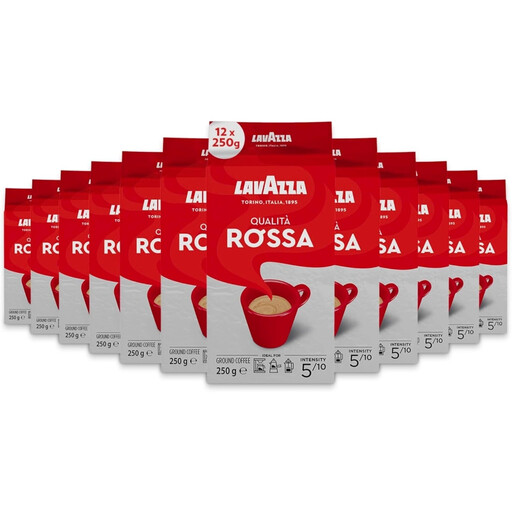 No image available
The 12-pack case suits a buyer planning to use loose ground coffee regularly. Check the stated preparation against your brewer and the pack format against your storage space; its 12 × 250 g configuration is not a 240-bag box.
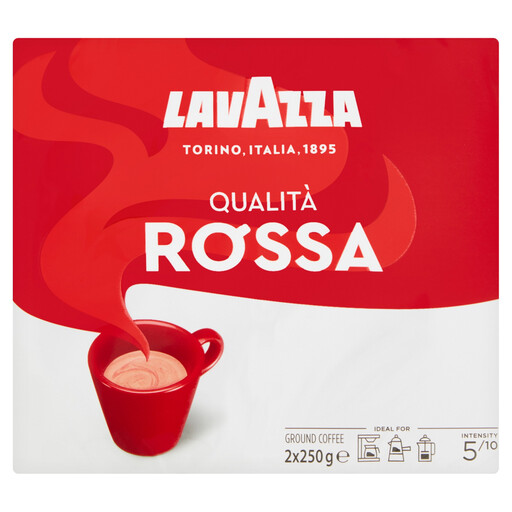 No image available
This single 500 g pack is an option if you want loose coffee without ordering a case. Check the stated preparation against your brewer; it is not a counted pack of coffee bags.
No. Confirm whether the supplier means loose-coffee packs, individually portioned coffee bags or another format. Ask for the count, grams per unit and total net weight before ordering.
Start with the format and total amount of coffee, then consider how you will prepare and serve it. A loose-coffee case requires you to measure portions; coffee bags provide individual portions, but their count alone does not show the total coffee weight.
Do not assume so: choose a pack that states a preparation method compatible with your equipment. illy distinguishes moka from espresso grind, while Rombouts labels its cited medium-ground decaf for filter and cafetière use.
Follow the instructions on the pack you buy. As an example of product-specific guidance, a Morrisons ground-coffee page on Joybuy advises cool, dry storage away from sunlight, heat, moisture and strong odours.