Occasional visitors
If weeks may pass between stays, consider smaller packs that can be opened one at a time or a portioned format suited to your brewer. Check the storage directions for anything left open.


Choose ground coffee that matches the brewer kept at the second home, then decide how much to open on each visit. Smaller packs or portioned formats suit occasional use; a larger loose-ground pack makes more sense when visits and coffee consumption are frequent. Before ordering a box described as “240”, check whether that means individual bags, an estimated number of cups or a weight.
How often the property is used changes the amount of coffee worth opening at once.
If weeks may pass between stays, consider smaller packs that can be opened one at a time or a portioned format suited to your brewer. Check the storage directions for anything left open.
Coffee bags, one-cup filters and cafetière sachets offer alternatives to measuring loose grounds. Choose by the equipment guests will actually have: a cafetière sachet, for example, assumes there is a cafetière.
A larger loose-ground pack may be practical if several people will use it regularly. Check its stated brewing method and plan how to reseal and store it after opening.
Start with what “240” counts and which brewer is at the property; then choose a pack size that fits the pattern of visits.
| Priority | What to check | Your needs |
|---|---|---|
| Quantity | Check the net weight, number of inner packs and number of individual portions. A stated cup yield is not a bag count. | “240” needs to mean the quantity I intend to stock, whether that is bags, grams or estimated cups. |
| Brewing method | Match the pack’s stated preparation method to the cafetière, filter brewer, moka pot or espresso equipment at the property. Lavazza UK says its blends are ground for their intended methods. | I want visitors to be able to use the brewer already in the kitchen, rather than choose coffee by roast name alone. |
| Pack size | Compare one large loose-ground pack with smaller packs opened in stages. For portioned products, check how many bags or filters the pack contains. | If the house is empty between visits, I would rather leave more coffee unopened. With frequent use, a larger pack may be manageable. |
| Preparation | Check whether portions need a cup, a cafetière or another device, and read the preparation instructions. A one-cup filter is not loose ground coffee for an espresso machine. | Guests should be able to make a cup with the equipment and instructions left at the property. |
| Storage and dates | Read the best-before date and follow the pack’s storage directions, including instructions for after opening. GOV.UK explains that best-before dates relate to quality. | I need a way to store opened coffee between stays and use older unopened packs before newer ones. |
A weight, an estimated cup yield and a count of individual portions describe different orders.
Read the net weight and inner-pack count, and check whether portions are individually wrapped before choosing a case.
An espresso-labelled ground coffee is not automatically suitable for a cafetière or filter machine. Rombouts, for example, specifies filter and cafetière use for its Cachet d'Or ground coffee.
Check the preparation methods stated on the particular pack against the brewer at the property.
If the coffee is not used again for weeks, much of a large pack remains open between stays.
Consider smaller packs opened in stages or a suitable portioned format. For loose coffee, follow the maker’s resealing and storage instructions.
GOV.UK describes best-before dates as a guide to quality; a pack may also give separate storage directions.
Check both when the coffee arrives, and follow any instructions that apply after opening.
These examples illustrate pack sizes and brewing formats; check the particular product rather than assuming every coffee in a range has the same grind.
Lavazza UK describes grounds calibrated for intended brewing methods, including moka, espresso and filter. Tesco Groceries lists a 1kg Crema e Gusto Classico ground-coffee format.
illy UK lists CLASSICO Espresso Ground Coffee in a 250g tin and identifies it for espresso preparation.
Rombouts UK describes its 250g Cachet d'Or ground coffee as medium ground for cafetières and filter brewing. It also lists a separate pack of 10 one-cup filters.
Tesco Groceries lists several Tesco Finest ground coffees in 227g packs, including Peruvian, Colombian Supremo and Sumatra Mandheling products.
These options include coffee bags and one-cup filters for individual drinks, alongside loose ground coffee and a case of smaller packs. Compare each format with your brewer and the quantity you mean by “240”.
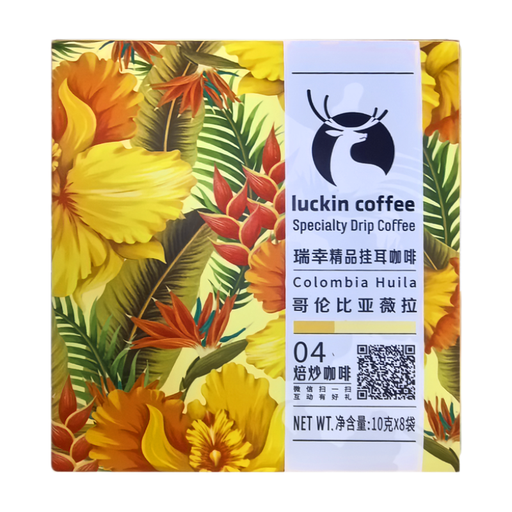 No image available
The eight-bag format gives you a stated portion count for planning individual drinks. Check its preparation instructions against what is available at the property; one pack is not a 240-bag box.
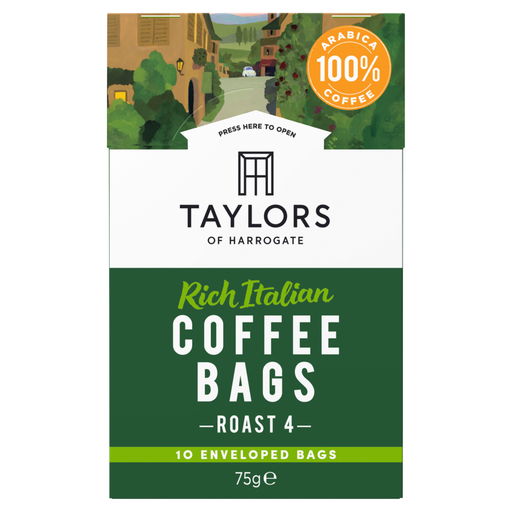 No image available
Coffee bags are an alternative to measuring loose grounds for an occasional cup. Check the bag count, wrapping and preparation directions if you are planning a specific number of portions.
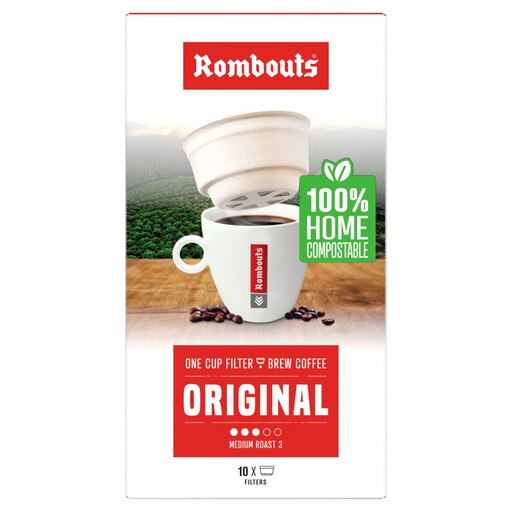 No image available
The one-cup filter format may suit a property stocked for individual drinks. The pack is labelled 70g; check its filter count and preparation directions before calculating an order for 240 portions.
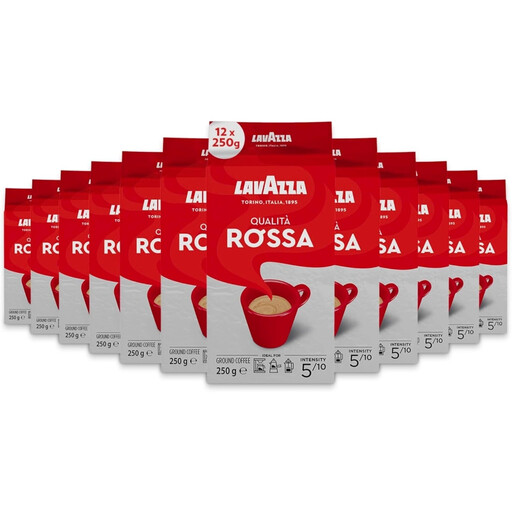 No image available
Twelve separate 250g packs offer a way to open ground coffee in stages, provided the property will use the full case. Check the brewing methods on the packs: this is a case of loose coffee, not 240 individual portions.
 No image available
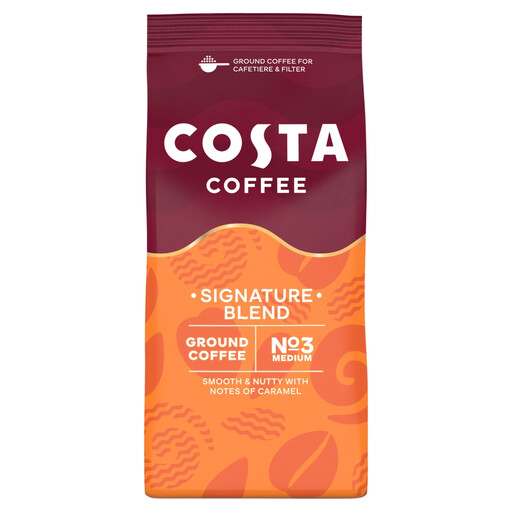
This loose ground coffee is labelled for cafetière and filter preparation, making the brewer check straightforward. A 200g pack still needs measuring and storage after opening; it is not a box of individual portions.
No. A cup-yield estimate describes servings, while 240 bags would be a count of individual portions; 240g is a weight. Check the net weight, bag count and preparation information before ordering.
Choose it for those brewers only if the particular product states that it suits them. Lavazza UK says its blends are ground for intended methods; Rombouts specifies cafetière and filter use for Cachet d'Or ground coffee, whereas illy labels its CLASSICO Espresso ground coffee for espresso preparation.
Follow the directions on its pack. Lavazza advises cool, dry storage and careful resealing; illy says to keep its CLASSICO Espresso ground coffee away from light and heat and preferably refrigerate it after opening. A best-before date concerns quality and does not replace those storage directions.
A separate decaf pack is worth considering if people who regularly use the property want that option. Check its brewing method, pack size and current availability rather than assuming a bulk case will suit the household.