Hosts with a cafetière, filter brewer or moka pot
Ground coffee is an option when its stated preparation matches your brewer. Check the individual product label: grounds intended for one method are not automatically suitable for another.


Choose ground coffee for Bonfire Night if you have a brewer that matches the preparation stated on the pack; a tin of grounds cannot be made like instant coffee. If you only have a kettle and need quick mugs, choose an instant or soluble coffee jar instead. For a late gathering, consider whether guests want a dark roast, a decaffeinated option or both.
The equipment available for serving coffee is the clearest starting point: a rigid container does not change how its contents are prepared.
Ground coffee is an option when its stated preparation matches your brewer. Check the individual product label: grounds intended for one method are not automatically suitable for another.
If brewing and clearing away loose grounds would be impractical, look at instant or soluble coffee jars. Do not assume that coffee sold in a ground-coffee tin can be stirred into a mug.
A decaffeinated option gives guests a choice alongside a darker blend. Check the product type as well as the roast: decaffeinated ground coffee still needs brewing, while a decaffeinated soluble coffee follows its own preparation instructions.
Decide how you will make the drinks before choosing a container or roast. A tin, a pack of ground coffee and an instant jar solve different serving needs.
Choose it when: You want a rigid container and have the brewer specified on the tin; illy lists separate ground-coffee preparations for espresso, moka pot and filter.
Bear in mind: The tin holds ground coffee, not a ready-to-stir drink, so you must also brew and clear away the grounds.
Choose it when: A tin is not essential and the pack names a method you can use; Lavazza lists moka pot, filtered coffee and French press for Espresso Italiano Classico.
Bear in mind: Ground coffee still needs brewing. Lavazza advises cool, dry storage and careful resealing after opening.
Choose it when: Quick mugs without a ground-coffee brewer matter more than serving brewed coffee.
Bear in mind: Check the product description rather than the word “ground” alone: Sainsbury's labels its Intenso Microground as instant coffee blended with 5% finely ground roast coffee.
| Priority | What to check | Your needs |
|---|---|---|
| Preparation | Check whether the coffee is ground or instant. For ground coffee, match the stated cafetière, filter, moka-pot or espresso preparation to your equipment; do not assume every grind suits every brewer. | I need to make drinks with the equipment available on the night, without buying grounds that require a different brewer. |
| Container and storage | Check whether the chosen product comes in a tin, jar or pack. For an opened pack, follow its storage instructions; Lavazza advises keeping its ground coffee cool and dry and resealing it carefully. | A rigid container matters if I want one, but I do not want to mistake a ground-coffee tin for an instant jar. |
| Roast and caffeine | Read the roast description and whether the product is decaffeinated. Taylors describes Hot Lava Java as an extra-dark roast with Robusta added for more caffeine; illy lists a separate 125 g decaffeinated ground-espresso tin. | Some guests may welcome a smoky, dark roast; others may prefer a decaffeinated choice later in the evening. |
| Pack and serving format | Check the pack quantity and how each serving is prepared. A one-cup filter, loose grounds and soluble coffee call for different serving and clearing-up arrangements. | For separate mugs outdoors, I want a format I can prepare and clear away with the space and equipment I have. |
A kettle-only setup will not provide the brewing method needed for loose grounds, even when those grounds come in a jar-like container.
Check what you can use on the night, then match the exact preparation label to a cafetière, filter, moka pot or espresso setup. If you need quick mugs without those methods, choose a product labelled instant or soluble.
Taylors says Hot Lava Java includes Robusta for added caffeine. Roast style alone does not tell you how much caffeine will be in a prepared cup.
Consider a separate decaffeinated drink for guests who want one. The NHS advises a daily caffeine limit of 200 mg during pregnancy, so a coffee choice cannot be assessed without considering other sources of caffeine too.
These ranges illustrate different formats and preparation labels; a brand name alone does not establish that a particular coffee will suit your brewer.
A ground-coffee range organised around brewing methods, including moka, espresso and filter preparations.
A useful range to inspect if you specifically want ground coffee in a tin.
A ground-coffee reference for guests who deliberately want an extra-dark roast.
A ground-coffee range to consider when a packed format is acceptable instead of a tin.
A supermarket range in which roast-and-ground coffee and instant coffee are separate choices.
A range showing why “ground” and “microground” need closer reading on coffee labels.
These options cover ground coffee for cafetière or filter use, a one-cup filter format and a decaffeinated soluble coffee for quick mugs. Check container and preparation details on the individual product if either is essential to your Bonfire Night setup.
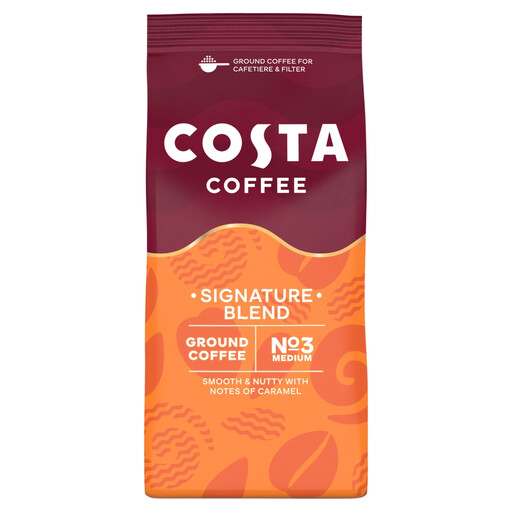 No image available
For a gathering with a cafetière or filter brewer, this 200 g ground coffee names both preparation methods and No. 3 medium coarseness. If a tin or jar is essential, check the container before buying.
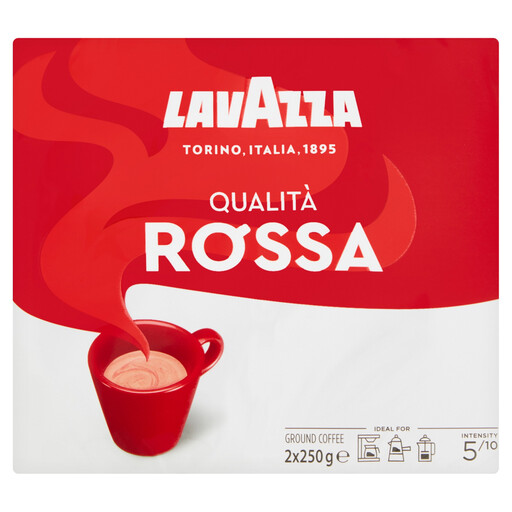 No image available
A 500 g ground-coffee option for serving brewed coffee. Confirm that the preparation instructions suit your brewer and check the container format if you specifically need a tin or jar.
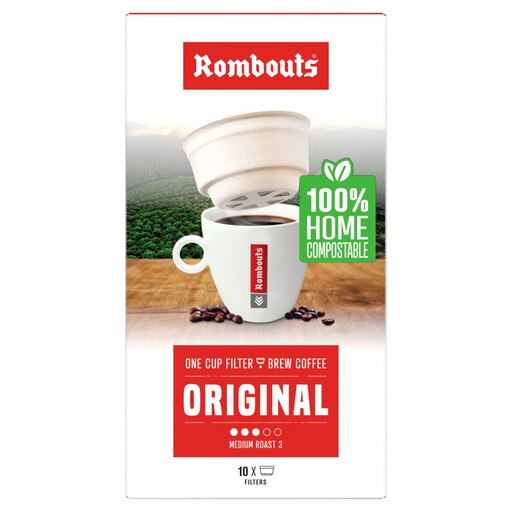 No image available
This 70 g one-cup filter product offers a way to consider individual brewed servings rather than a shared cafetière. Check that the filter fits your intended cup and serving setup; it is not an instant-coffee jar.
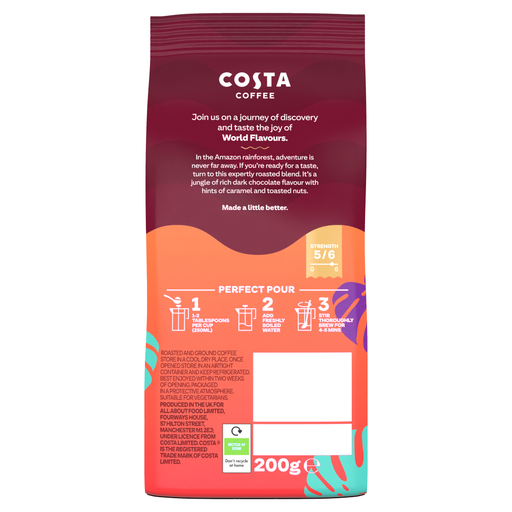 No image available
A dark-roast ground-coffee choice labelled for cafetière and filter preparation, in a 200 g pack. The roast name does not establish the caffeine amount in a prepared cup; check that separately if it matters to guests.
 No image available
This decaffeinated soluble-coffee jar is the quick-mug alternative in this selection, not a ground coffee for a cafetière or filter. Check the jar's preparation directions and caffeine information if those details matter when serving.
No: choose ground coffee when you can use the brewing method stated for that product. Lavazza lists moka pot, filtered coffee and French press for its Espresso Italiano Classico grounds, while illy sells separate espresso, moka-pot and filter preparations. For a quick mug without brewing grounds, look for instant or soluble coffee.
Look for a product explicitly sold in a tin rather than assuming any ground coffee comes in a jar. illy lists ground-coffee tins in its UK range; check whether the particular tin is intended for espresso, moka pot or filter preparation before choosing it.
Follow the selected pack's instructions. Lavazza advises keeping its ground coffee in a cool, dry place and resealing it carefully after each use; a vacuum-packed product still needs appropriate storage once opened.
No: decaffeinated describes the coffee choice, not a guest's total caffeine intake. The NHS advises no more than 200 mg of caffeine a day during pregnancy and notes that caffeine can come from other food and drinks. Check the chosen product's information rather than inferring a cup's caffeine amount from its roast name.