Home cafetière, filter and moka users
If you already brew coffee, choose a ground product whose stated preparation method matches your equipment. Roast and flavour descriptions can then help you choose the cup you want on a cold day.


Choose ground coffee if you have a suitable brewer; it will not dissolve in a mug like instant coffee. A rigid container does not change that distinction: illy sells ground espresso coffee in a 250g can, while an instant jar suits a hot-water-and-stir routine. For a brewed winter cup, check the stated brewing method first, then choose the flavour description and decaf or half-caff labelling that fit your routine.
If you already brew coffee, choose a ground product whose stated preparation method matches your equipment. Roast and flavour descriptions can then help you choose the cup you want on a cold day.
If a tin matters to you, check the container as well as the contents. illy lists its 250g INTENSO ground espresso coffee in a can; it still requires brewing rather than stirring into hot water.
If you want to reduce caffeine while keeping a brewed-coffee routine, look for explicit decaf or half-caff labelling. A roast or intensity description is not a substitute for it.
Decide whether you want coffee to brew or granules to dissolve, then check the brewer, flavour description, caffeine labelling and container in that order.
| Priority | What to check | Your needs |
|---|---|---|
| Ground or instant | Check whether the label says roast-and-ground or instant. Mintel distinguishes ready-ground coffee from coffee dehydrated into soluble powder or granules. | I only want to add hot water and stir, so I need instant coffee. If I want ground coffee, I need a way to brew and separate the grounds. |
| Brewing method | Match the stated method to your cafetière, filter machine, moka pot or espresso setup. Lavazza says its blends are ground for their intended methods; Rombouts identifies its decaf medium grind for filter and cafetière use. | My brewer is already on the worktop, so I want a coffee labelled for that method rather than assuming any pre-ground product will suit it. |
| Flavour direction | Compare the product's roast and tasting notes, then confirm its brewing method. Lavazza describes Espresso Barista Intenso with cocoa and wood notes; Sainsbury's lists dark-chocolate and almond notes for Taylors Rich Italian. | For a winter cup, I may prefer the chocolate or cocoa notes described on a particular pack. An intensity number alone will not tell me its caffeine content. |
| Caffeine labelling | Look for explicit decaf or half-caff wording. Sainsbury's lists its Taste the Difference Half Caff ingredients as coffee (50%) and decaffeinated coffee (50%); Rombouts offers a decaf ground coffee. | If reducing caffeine matters to me, I will choose by the product's caffeine description, not by whether its flavour is called intense. |
| Container and storage | Check whether the product comes in the rigid container you want, and read its opening instructions. illy lists a 250g can of ground espresso coffee; Lavazza advises keeping opened packs cool and dry and resealing them carefully. | I want a tin if a rigid container matters, but I still need to check how to brew the coffee and store it after opening. |
Ground coffee does not dissolve like instant granules, even when it comes in a can.
Choose soluble instant coffee for a hot-water-and-stir routine. For ground coffee, check that you have a suitable way to brew and filter it.
An intensity description indicates a product's flavour positioning; it does not identify it as decaf or half-caff.
If caffeine reduction is your aim, check the explicit decaf or half-caff labelling instead of the roast or intensity number.
Ground products can carry different preparation guidance. Rombouts specifies cafetière and filter methods for its decaf, while illy positions its cited INTENSO can for espresso.
Compare the method on the current pack with the equipment you use before choosing a flavour or container.
The container format does not replace the instructions for storing coffee after opening.
Read the current label. Lavazza advises a cool, dry place and careful resealing; Sainsbury's cafetière product advises an airtight container once opened.
Lavazza describes ground blends intended for moka, espresso and filter preparation.
illy lists INTENSO ground roasted coffee in a rigid 250g can.
Taylors of Harrogate makes ground-coffee blends, including Rich Italian.
Rombouts offers ground coffee, including a decaf product for brewed coffee.
Tesco's Finest coffee listing includes roast-and-ground products and separately labelled instant coffees.
This range includes ground-coffee products with distinct caffeine descriptions and preparation guidance.
These options cover ground-coffee blends, a one-cup filter format and a decaf choice for a brewed winter drink. Check each product's preparation instructions and container if either is decisive for you.
 No image available
For a brewed winter cup, check that this ground blend's preparation instructions match your brewer. Check its container if a rigid tin is important to you.
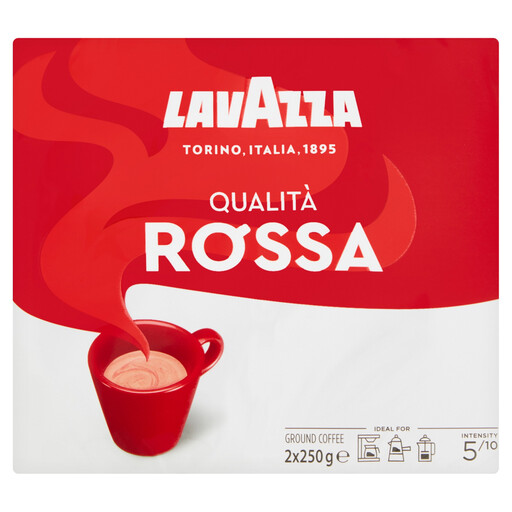 No image available
If you want a 500g pack of ground coffee, check that its stated preparation method suits your equipment. Confirm the container format separately if you want a tin.
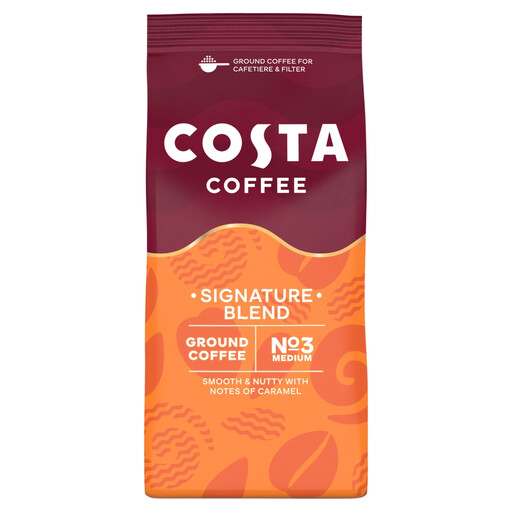 No image available
For a cafetière or filter routine, this variant is labelled for those methods. Its name specifies a No. 3 medium grind; check the current pack for storage directions and container format.
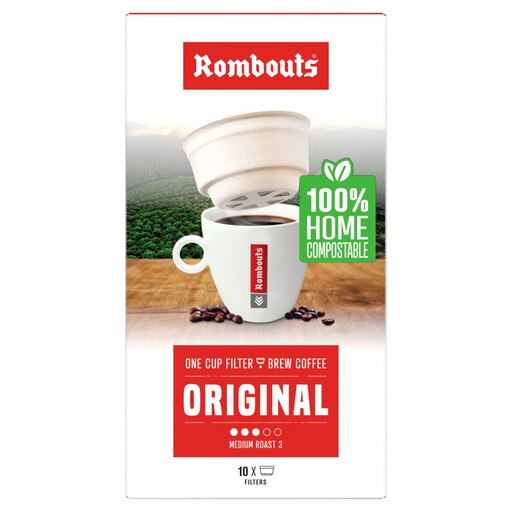 No image available
If you want a one-cup filter format rather than a pack for a cafetière, check this product's preparation instructions before buying. Check the pack's disposal directions rather than assuming every local collection accepts the used filter.
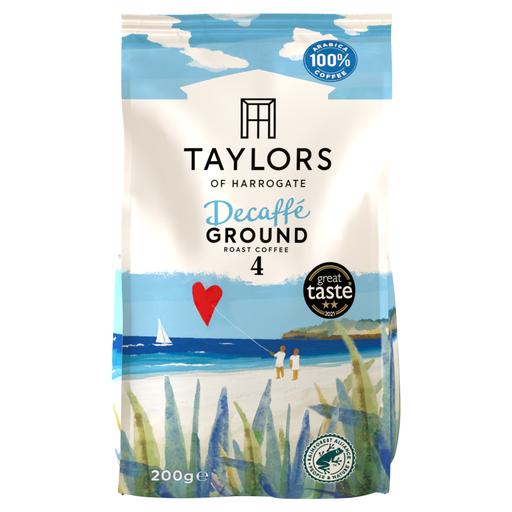 No image available
For a brewed-coffee choice explicitly labelled decaf, this 200g product offers a different route from choosing by roast intensity. Check its stated brewing methods against your equipment; Joybuy describes caramel and malt flavour notes.
No. Ground coffee needs brewing and separation from the grounds, using a suitable method such as a cafetière or filter machine. If you want only hot water and stirring, choose a product labelled instant coffee.
Not necessarily. illy's cited 250g INTENSO can contains ground roasted coffee intended for espresso preparation. Read the product description rather than using the container to identify what is inside.
Follow the directions for the particular coffee and your cafetière. For its cited ground coffee, Sainsbury's advises one tablespoon per 200ml of off-the-boil water and a wait of 3–5 minutes before plunging; that is product-specific guidance, not a rule for every blend.
Follow the current pack label. Lavazza recommends a cool, dry place and careful resealing, while Sainsbury's advises an airtight container after opening for its cited cafetière product.