
24/7 Customer Support

Free returns

Same-day & Next-day Delivery

Quality Guaranteed

Unlock Your Welcome Offers: FREE Delivery | Up to 80% OFF | Free 30-day JoyPlus trial
Download the APP
Buying ground coffee seems straightforward until the first cup tastes weak, bitter or flat. Packaging often highlights roast names, intensity numbers and origin stories, while the detail that matters most—whether the grind suits your coffee maker—can be easy to overlook.
For UK households, the main buying decision is not simply choosing between Lavazza coffee, Taylors of Harrogate coffee or another familiar name. It is matching the coffee format to your brewing method, consumption habits and storage space.
Terms such as “rich”, “intense” and “Italian-style” can describe different things. A dark roast may taste more pronounced, but roast level does not automatically indicate higher quality or more caffeine. A medium roast coffee may offer a more balanced profile, while a lighter roast can retain brighter, more noticeable flavour notes.
Look for practical information such as:
Ground coffee is not universally interchangeable. Espresso ground coffee is generally fine, while cafetière coffee needs a much coarser texture to reduce sediment and avoid a difficult plunge. Filter coffee normally sits between these two ranges.
Using a fine grind in a cafetière can produce a muddy cup. Using a coarse grind in an espresso machine may result in thin coffee because water passes through too quickly. Always check the pack description before buying several bags.
Once opened, coffee is exposed to air, moisture and odours. Keeping an opened pack beside a kettle or hob can affect its aroma over time. Many packs recommend sealing the coffee and using it within a short period, so a smaller 200g bag may be more practical for occasional drinkers than a large bulk pack.
Store ground coffee in a cool, dry place, reseal it firmly and avoid transferring it to a container that has retained strong food smells. Do not refrigerate unless the packaging specifically advises it, as condensation can be a problem when the container is opened.
Use this simple guide:
Some products are described as suitable for more than one method, but results can still vary between machines. If you regularly switch between espresso, pour-over and French press, buying coffee beans with a burr coffee grinder may provide more control.
Arabica coffee is commonly selected for its varied aroma and smoother, more distinctive flavour profile. Robusta is often included in blends to provide a fuller body and stronger bitterness. Neither choice is automatically right for everyone; milk-based drinks, black coffee and moka pot brewing can all suit different blends.
Check the ingredients rather than relying only on front-of-pack descriptions. For example, Taylors of Harrogate Rich Italian Ground Roast Coffee lists 100% Arabica coffee, while Lavazza Crema e Gusto lists an Arabica and Robusta blend.
A 200g pack can suit a single drinker or anyone trying a new roast. A 250g pack offers a little more supply without requiring long-term storage, while a 500g pack may make sense for households that brew coffee daily.
Check the best-before date on arrival and follow the product’s own storage guidance. Ground coffee is convenient, but it has more exposed surface area than whole beans, so buying a realistic quantity helps reduce waste.
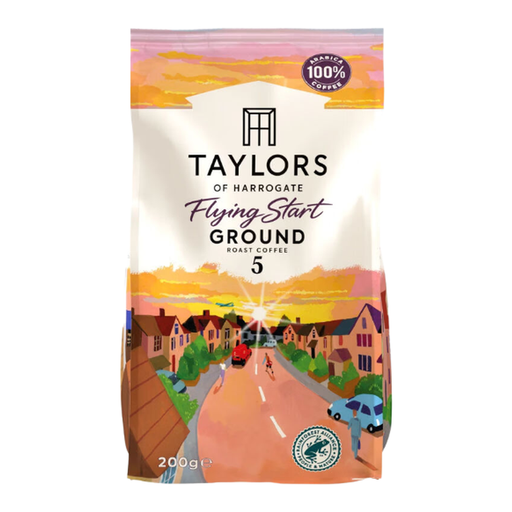
Why This Fits Their Persona: A 200g pack is a manageable starting point for UK shoppers who want everyday ground coffee without committing to a large quantity. It is described as a medium grind suitable for filter and cafetière brewing.
The listed brewing guidance helps avoid buying a grind intended only for espresso, while the smaller pack reduces the risk of stale leftovers.
100% roasted coffee beans; medium consistency; suitable for filter coffee and French press-style brewing.
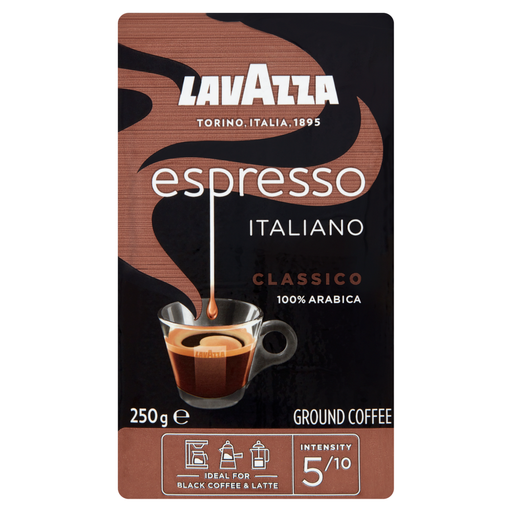
Why This Fits Their Persona: This 250g Italian ground coffee is aimed at shoppers who want one pack for moka pot, filter coffee or French press preparation.
The product information identifies a medium roast and specific brewing options, rather than leaving compatibility to guesswork.
Medium roast; stated intensity level 5; suitable for moka pots, filtered machines and French presses.
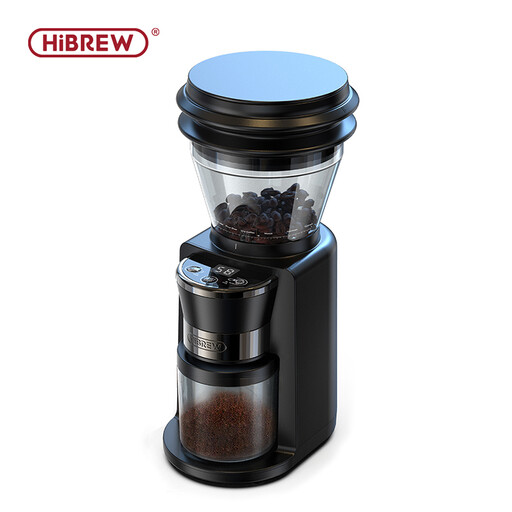
Why This Fits Their Persona: Suitable for households that buy whole beans and change between espresso, moka pot, pour-over and French press styles.
Its 34 grind settings make the required texture easier to adjust than a fixed-setting grinder. The motor should still be allowed to cool as instructed.
48mm conical burr; 34 settings; 210g bean container; 220–240V electrical specification.
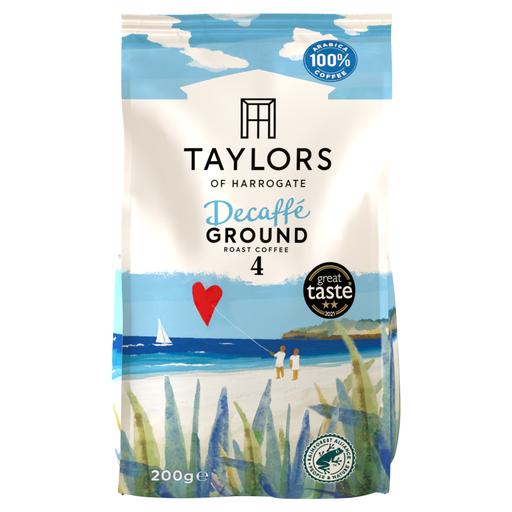
Why This Fits Their Persona: A practical option for shoppers who want a 100% Arabica decaf ground coffee for regular home brewing.
The pack is clearly identified as decaffeinated and gives roast and ingredient information, helping shoppers distinguish it from standard ground coffee.
100% Arabica coffee; 200g pack; smooth caramel and malt flavour notes listed by the product description.
We have compiled a complete, real-time list of products that fully satisfy these strict selection criteria and UK safety regulations.
Choose a coarse cafetière coffee grind. A coarse texture is easier to separate with the plunger and can reduce the amount of fine sediment in the cup. Steep according to the coffee’s instructions, then press slowly.
Follow the storage advice on the packaging. As a practical rule, reseal the pack immediately after use, keep it cool and dry, and aim to use it within the period stated by the manufacturer. Smaller packs can be more suitable if you only brew occasionally.
A manual coffee grinder has no electricity cost and can be suitable for one or two cups, although it requires physical effort. An electric coffee grinder is quicker for multiple cups but uses mains power or a rechargeable battery. A burr coffee grinder also allows you to buy whole beans and adjust the grind, but the purchase price and cleaning requirements should be included in your comparison.