
24/7 Customer Support

Free returns

Same-day & Next-day Delivery

Quality Guaranteed

Unlock Your Welcome Offers: FREE Delivery | Up to 80% OFF | Free 30-day JoyPlus trial
Download the APP
Choosing ground coffee for a UK home or office can seem straightforward until you compare roast levels, bean varieties, grind sizes and brewing methods. Packaging often uses terms such as “intense”, “premium” or “Italian style”, but these descriptions do not always tell you whether the coffee will suit your cafetière, filter machine or moka pot.
As the Joybuy Product Recommendation Officer, I focus on practical details that help shoppers avoid paying for the wrong format. Here are the main traps to watch for before adding a pack to your basket.
A dark roast coffee usually has a deeper, smokier flavour, while a medium roast coffee may retain more noticeable fruity, nutty or chocolate notes. Roast intensity does not automatically indicate the caffeine content. If caffeine matters to you, check the product label and your serving size rather than relying on words such as “strong” or “intense”.
Ground coffee is not universally interchangeable. A grind intended for filter coffee may be too fine for a French press or cafetière, producing a muddy cup. Conversely, a coarse grind may result in weak extraction in some filter systems.
Always check whether the packaging names a suitable method, such as:
A 250g ground coffee pack can be practical for occasional drinkers, couples or office cupboards. Larger packs, such as 500g or 1kg coffee beans, may offer better value for frequent users but can lose aroma if opened and stored for too long.
After opening, reseal the bag or transfer the coffee to an airtight container. Store it in a cool, dry place away from sunlight, moisture and strong odours. Refrigeration is only suitable when the packaging specifically recommends it and the container is properly sealed.
Arabica coffee is often selected for its smoother, more aromatic profile, while Robusta can contribute a fuller body and more pronounced bitterness. A Robusta and Arabica blend may suit drinkers who want a rounded coffee with more body, particularly when adding milk.
For example, Lavazza Qualità Rossa ground coffee combines Robusta and Arabica beans sourced from South America and Africa. Its description identifies it as suitable for moka pot, filter and French press preparation, giving it flexibility for households using more than one brewer.
If you prefer a single-species coffee, products such as Taylors Brasilia Ground Coffee 200g specify 100% Arabica beans. Always check the ingredient panel rather than assuming that a premium-looking label means a pure Arabica blend.
A medium roast coffee is often a practical starting point for everyday drinking because it can work with or without milk and may offer a balance between roast character and origin notes. Taylors Brasilia is described as a medium roast with walnut and chocolate notes.
A dark roast may be more suitable if you prefer a fuller, smokier cup. Costa Intensely Dark Amazonian Blend Coffee Beans is a whole-bean option made from 100% Arabica beans, with dark chocolate and smoky notes described on its product information. It requires grinding before brewing, so it is less convenient than ready-ground coffee.
For Italian-style drinks, compare both the blend and brewing guidance. Italian ground coffee is commonly associated with moka pot or espresso preparation, but some products are also suitable for filter or French press use.
The right format depends on how much preparation you want:
Nescafé coffee products such as NESCAFÉ Gold Blend Coffee 190g and NESCAFÉ Roastery Dark Gold Blend Roast Premium Instant Coffee 95g are soluble formats, not ground coffee. They may be more appropriate for speed and easy storage than for shoppers seeking brewed coffee from a cafetière or filter machine.
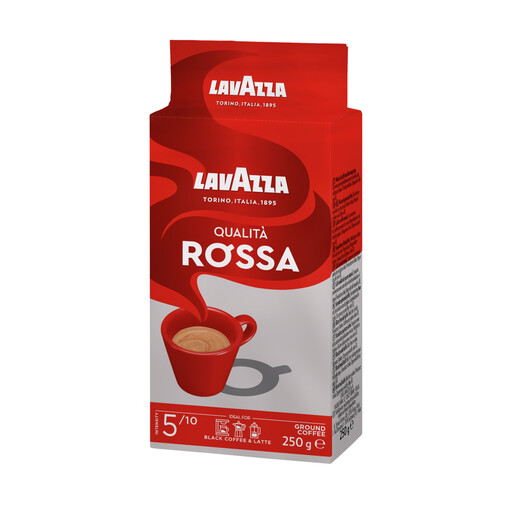
Why This Fits Their Persona: The 250g format is manageable for everyday home use without committing to a larger pack. It is also described as suitable for moka pot, filter and French press brewing.
The product information clearly identifies the bean blend and brewing options, reducing the risk of buying a coffee that does not suit your equipment.
Robusta and Arabica blend; 250g pack; suitable for several common brewing methods.
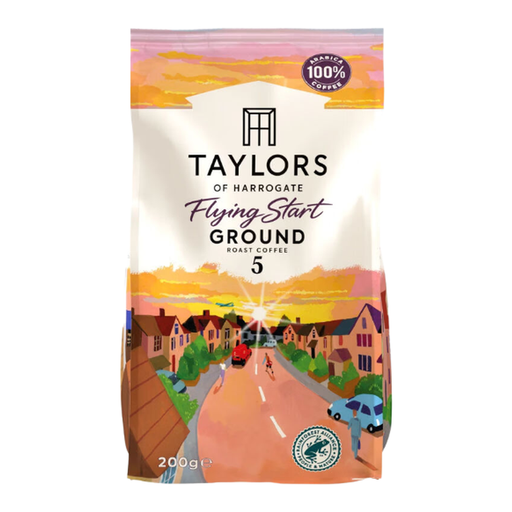
Why This Fits Their Persona: This 100% Arabica ground coffee is positioned for drinkers who want a balanced everyday cup for home or office preparation.
The stated medium grind and filter, French press and cafetière suitability make the format easier to match with common home brewers.
100% Arabica coffee; 200g pack; suitable for filter and cafetière-style brewing.
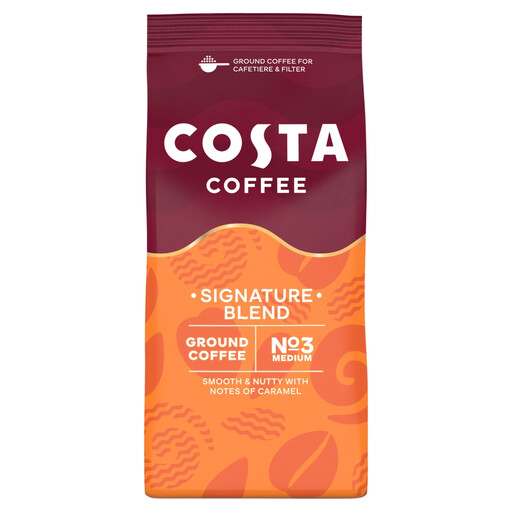
Why This Fits Their Persona: The named cafetière and filter compatibility suits households or offices that prepare several cups using straightforward equipment.
The product name states both the grind application and medium strength, making it easier to compare with your brewing routine.
Medium roast; designed for cafetière and filter coffee; 200g pack.
We have compiled a complete, real-time list of products that fully satisfy these strict selection criteria and UK safety regulations.
Use the brewing instructions on the pack as your starting point, then adjust gradually:
The cost per cup depends on pack price, serving size and how much coffee you use. Instant coffee generally requires less equipment and creates less waste, while ground coffee requires a brewer and filters or a cafetière. Compare the net weight and recommended dosage rather than judging by jar or bag price alone.
For the most dependable flavour, follow the storage guidance on the packaging and use the coffee while its aroma remains fresh. Reseal the pack tightly or use an airtight container, keeping it in a cool, dry cupboard away from sunlight and moisture.
Not always. Moka pot coffee normally requires a finer grind than cafetière coffee. Some versatile blends list both methods, but always check the manufacturer’s instructions. If the coffee tastes bitter, weak or contains excessive sediment, the grind or brewing time may not be suitable.