
24/7 Customer Support

Free returns

Same-day & Next-day Delivery

Quality Guaranteed

Unlock Your Welcome Offers: FREE Delivery | Up to 80% OFF | Free 30-day JoyPlus trial
Download the APP
Buying ground coffee should be simple, but crowded shelves and bold packaging can make it difficult to compare products. Terms such as “Italian style”, “intense” and “premium blend” do not always tell you whether the coffee will suit your cafetière, filter machine or daily routine.
Three common buying pitfalls are worth avoiding:
If you are comparing searches such as “best ground coffee”, focus on verifiable details: the bean blend, roast profile, recommended preparation method, pack size and storage guidance.
Roast descriptions are useful for predicting taste, but they are not a universal quality scale.
Strength numbers vary between brands, so compare the actual tasting notes and brewing guidance rather than assuming that a higher number means more caffeine.
Arabica ground coffee is often selected for its fragrant, smoother flavour profile. Blends containing Robusta may provide more body and a stronger roasted character. Neither option is automatically right for everyone: the choice depends on whether you prefer a delicate, balanced cup or a more forceful taste.
Check the ingredients panel for details such as 100% Arabica or a blend of Arabica and Robusta. This is more useful than relying solely on front-of-pack language.
The brewing method should influence your purchase:
For a suitable selection of products intended for this brewing style, browse the ground coffee for cafetieres range.
Common options include 200g ground coffee, 250g ground coffee and 500g ground coffee.
After opening, follow the packaging instructions. Several products advise sealing the pack or transferring the coffee to an airtight container and keeping it in a cool, dry place. Avoid leaving ground coffee exposed to moisture, heat or direct sunlight. The best-before date refers to the unopened product; aroma and flavour may gradually decline once opened.

Why This Fits Their Persona: The 200g format gives occasional drinkers a manageable way to try Italian ground coffee without committing to a larger pack.
The pack size limits the risk of coffee sitting open for too long, while the ingredient list identifies it as 100% Arabica.
200g quantity; 100% Arabica coffee; suitable for everyday cupboard storage.
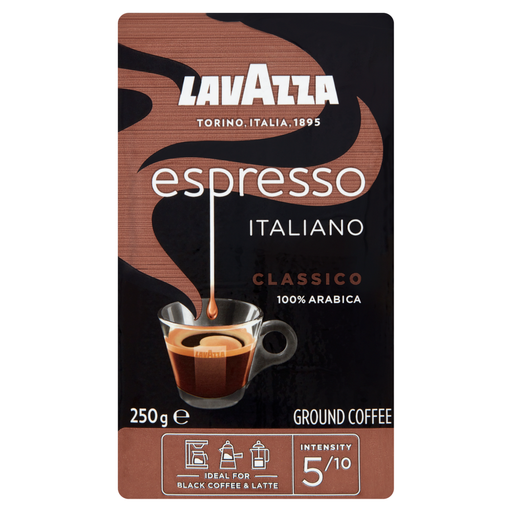
Why This Fits Their Persona: A 250g medium roast with stated fruity notes and level 5 intensity suits drinkers who want a clearly defined flavour profile.
The product specifies compatible methods, including moka pot, filter coffee machines and French press, rather than leaving preparation unclear.
Medium roast; 250g pack; stated use with three common home-brewing methods.
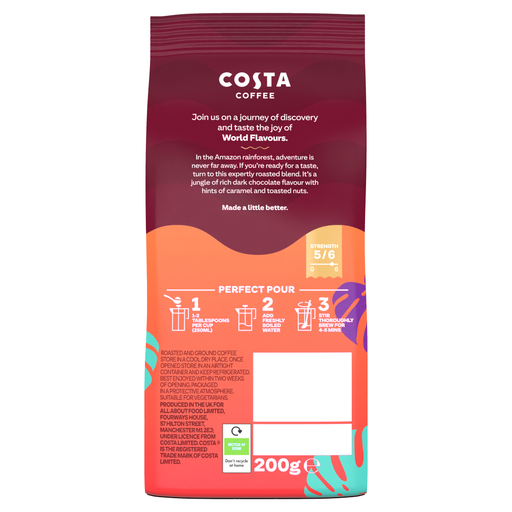
Why This Fits Their Persona: This dark roast is labelled for cafetière and filter preparation, making it relevant to households brewing several cups using either method.
The pack identifies both the roast strength and intended brewing methods, helping buyers avoid a mismatch between grind and equipment.
Dark roast; No. 5 strength; labelled for cafetière and filter use.
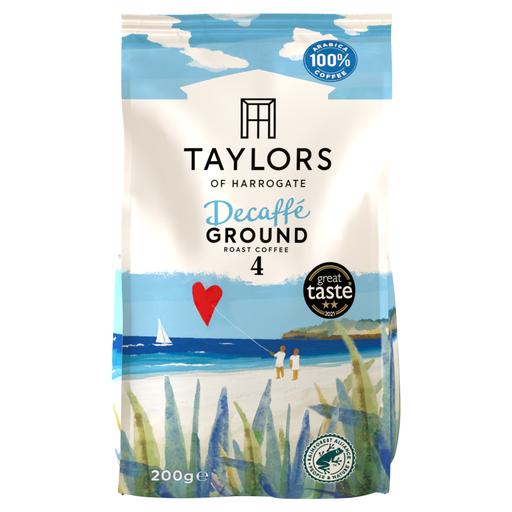
Why This Fits Their Persona: A 200g decaf option for drinkers who want coffee flavour during the day or evening while choosing a reduced-caffeine product.
The product information identifies it as decaffeinated, 100% Arabica and made using a water method, giving shoppers more detail than a simple “decaf” label.
100% Arabica coffee; 200g quantity; smooth caramel and malt flavour notes stated in the product information.
We have compiled a complete, real-time list of products that fully satisfy these strict selection criteria and UK safety regulations.
A practical starting point is around 60g of coffee per litre of water, then adjust according to taste. For a smaller cafetière, use the same proportion rather than simply adding one spoonful per cup. Allow the coffee to steep for roughly four minutes before pressing, unless the product or your equipment recommends otherwise.
It is usually most aromatic soon after opening. Seal the pack tightly or use an airtight container, then store it in a cool, dry cupboard. Follow the individual product instructions; some recommend using the coffee within around two weeks of opening. Avoid storing it near a kettle or cooker, where heat and steam can affect the grounds.
Decaf coffee is made to contain much less caffeine than standard coffee, but “decaf” does not necessarily mean zero caffeine. If this matters to you, check the product label and preparation guidance. Choose the roast and brewing method separately from the caffeine decision, since decaffeinated coffee is available in different flavour profiles and strengths.