
24/7 Customer Support

Free returns

Same-day & Next-day Delivery

Quality Guaranteed

Unlock Your Welcome Offers: FREE Delivery | Up to 80% OFF | Free 30-day JoyPlus trial
Download the APP
Choosing ground coffee in the UK is not simply a matter of picking a familiar logo or the lowest price per pack. The right option depends on your brewing method, preferred roast, caffeine requirements and how quickly you use an opened bag.
Marketing language can also make comparison difficult. Here are the main pitfalls to avoid before adding a pack to your basket.
A dark or intense flavour does not automatically mean more caffeine. Roast level mainly affects taste, aroma and bitterness, while caffeine depends on the coffee variety, serving size and preparation method. If you want to reduce caffeine, look for a clearly labelled decaf ground coffee rather than choosing a darker roast.
Ground coffee is not universally suitable for every machine. Fine grounds may slow water flow in some filter systems, while coarse grounds can produce a weak cup in equipment designed for finer coffee. Check whether the pack is intended for a cafetière, filter machine, moka pot or another brewing method.
A 500g pack can offer convenience for a busy household, but it may not provide good value if it remains open for months. Coffee absorbs moisture and surrounding odours. Smaller 200g or 250g packs can be more practical for occasional drinkers, while individually portioned bags suit offices, travel and single-cup brewing.
A medium roast coffee generally offers a balance between roasted depth and lighter acidity, although flavour still varies by origin and blend. Arabica beans are often selected for their aromatic and varied flavour profiles, while blends containing Robusta can contribute a fuller body and stronger bitterness.
For example, Arabica ground coffee may suit drinkers who prefer fruit, chocolate, nut or citrus notes. A blend of Arabica and Robusta, such as Lavazza Qualità Rossa, may be more suitable if you add milk or prefer a fuller-bodied drink.
Product descriptions can use terms such as “rich”, “smooth” or “intense”, but these are not standardised measurements. Treat them as flavour guidance and check the stated roast, bean composition and brewing instructions.
For a cafetière, look for coffee described as suitable for French press or cafetière use. The grounds should generally be coarse enough to separate cleanly when the plunger is pressed. Coffee for filter machines is usually ground more finely than cafetière coffee, allowing water to pass through at the intended rate.
Some packs are versatile. Costa Coffee Mocha Italia Signature Blend is labelled for cafetière and filter use, while Lavazza Espresso Italiano Classico lists moka pots, filter machines and French presses. Ri Xin drip coffee uses pre-filled hanging filter bags, so it does not require a separate grinder, filter holder or measuring spoon.
Check the net weight, best-before date and storage wording before buying. After opening, reseal the bag or transfer the coffee to an airtight container. Keep it in a cool, dry place away from direct sunlight, heat and strong odours. Some product labels recommend using opened coffee within around two weeks, so choose a pack size that matches your household’s consumption.
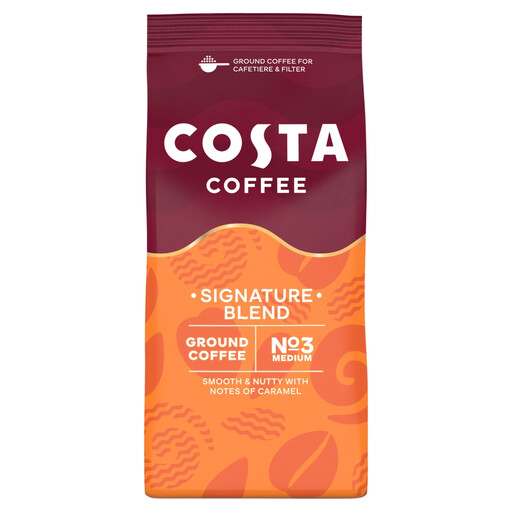
Why This Fits Their Persona: A 200g pack with stated cafetière and filter compatibility is a straightforward starting point for everyday home brewing.
The pack gives clear preparation guidance instead of leaving buyers to guess which equipment it suits.
Medium roast; labelled for cafetière and filter use; roasted and ground coffee.
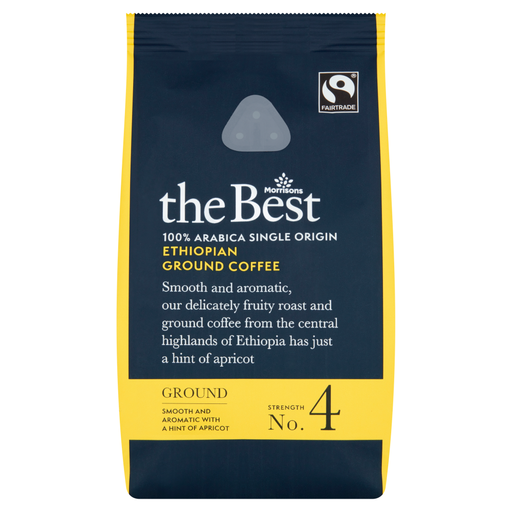
Why This Fits Their Persona: This single-origin Ethiopian Arabica option suits drinkers who want origin-specific flavour rather than a general-purpose blend.
The listing identifies it as 100% Arabica and single origin, giving more useful information than vague premium wording alone.
100% Arabica; Ethiopian single origin; 227g pack.
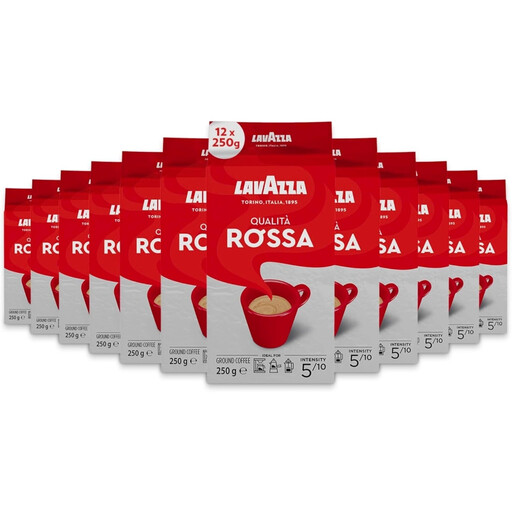
Why This Fits Their Persona: The 12-pack format is designed for frequent drinkers, shared kitchens, offices or households that regularly use Italian ground coffee.
Individual 250g packs help limit the amount opened at one time, unlike a single oversized bag that may remain exposed for longer.
12 × 250g packs; medium roast; Arabica and Robusta blend; suitable for moka pot, filter and French press according to the listing.
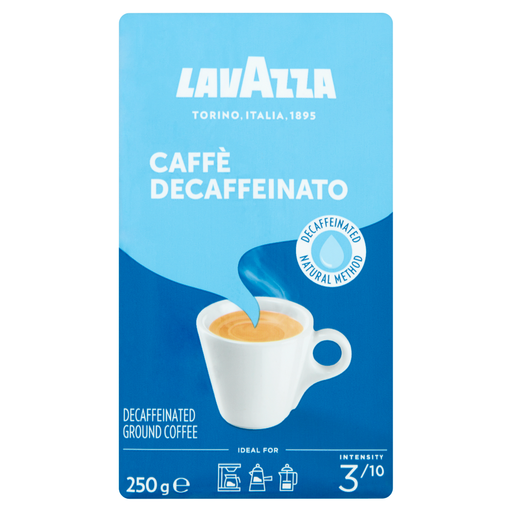
Why This Fits Their Persona: A practical Italian decaffeinated option for people who want coffee flavour during evening routines or at work without selecting a standard caffeinated blend.
The product is clearly identified as decaffeinated, avoiding the assumption that roast colour or flavour intensity indicates caffeine level.
250g pack; decaffeinated Classico blend; made in Italy according to the supplied product information.
We have compiled a complete, real-time list of products that fully satisfy these strict selection criteria and UK safety regulations.
For a cafetière, use the quantity recommended on the pack and allow the coffee to steep for the stated time. A common starting point is around 7–9g per 100ml of water, then adjust according to taste and strength.
For filter machines, make sure the basket is compatible with the grind and do not overfill it. Water that flows too quickly can produce a thin cup, while water that drains slowly may create excessive bitterness.
If convenience matters more than equipment, Taylors of Harrogate Rich Italian Coffee Bags provide individually wrapped portions, while Rombouts Original Compostable One Cup Filter Coffee is supplied in single-cup filter portions. These formats can be useful in an office, rented accommodation or when travelling.
Follow the product label first. Many packs recommend sealing the coffee and using it within about two weeks. Keep it cool, dry and away from strong odours. Refrigeration is only suitable when specifically recommended on the packaging and the coffee is well sealed against moisture.
The cost per cup depends on the pack price, dose and equipment. A 200g pack can provide roughly 20–28 cups at a 7–10g dose, although actual yield varies. Ground coffee also avoids the need to buy individual pods, but it may require filters, a cafetière or other brewing equipment.
No. Check the machine instructions and product label. Coffee for filter machines, cafetières and moka pots can have different grind requirements. Do not put ordinary ground coffee into a bean-to-cup machine unless the machine specifically includes a compartment for pre-ground coffee.