Staff using cafetières or filter brewers
Check that a ground coffee’s stated preparation method matches the equipment in use. This gives staff a product-specific starting point for a routine they can follow across shifts.


Choose ground coffee that suits the home’s existing brewer, then offer regular, decaffeinated or half-caffeinated options according to residents’ individual preferences and needs. A jar is not necessary: check the preparation guidance, current pack label and storage instructions rather than choosing by container shape alone.
The right purchase depends on how staff prepare coffee, which choices residents want and how opened packs are handled between services.
Check that a ground coffee’s stated preparation method matches the equipment in use. This gives staff a product-specific starting point for a routine they can follow across shifts.
Keep residents’ preferences in view when choosing regular, decaffeinated or half-caffeinated ground coffee. Half-caff still contains regular coffee, so it cannot stand in for a requested decaffeinated option.
Consider pack size alongside how often coffee is prepared. Staff need to be able to follow the storage and resealing directions on each product, rather than applying one routine to every pack or tin.
Start with the brewer and residents’ choices. Then check whether the pack and its instructions work for the home’s preparation and storage routine.
| Priority | What to check | Your needs |
|---|---|---|
| Brewer compatibility | Look for the brewing method stated on the product and follow the equipment manufacturer’s instructions. Rombouts specifies Cachet d’Or as medium-ground for filter and cafetière use; Tesco Finest Decaffeinated Colombian lists cafetières, filter machines, moka pots and percolators. | “Our staff use a cafetière or filter machine, and I want preparation guidance that fits that equipment.” |
| Caffeine choice | Identify regular, decaffeinated and half-caffeinated products separately. Sainsbury’s describes its Taste the Difference Half Caff as 50% regular coffee and 50% decaffeinated coffee; it is not decaf. | “I want residents to be able to choose a coffee that matches their preferences or assessed needs, without treating half-caff as decaffeinated.” |
| Pack and storage | Check the quantity, packaging and instructions for storage after opening. Use the directions on the current pack to set the resealing and stock-rotation routine. | “A pack may stay open between services, so staff need storage instructions they can follow for that particular coffee.” |
| Current product information | Check the delivered pack’s identity, ingredients and preparation directions, particularly when ordering for residents with individual requirements. Do not assume an earlier product description reflects the current label. | “I need to confirm what we are serving and how to prepare it before it goes into the home’s coffee routine.” |
Ground coffee in this selection is sold in packs or tins. A jar-only specification can also blur the distinction between ground coffee, which needs brewing, and instant coffee.
Specify the brewing method, caffeine choice, pack quantity and storage requirements instead of requiring a particular container shape.
A roast or intensity description does not establish that the grind suits the home’s equipment. Rombouts, for example, explicitly identifies filter and cafetière use for Cachet d’Or.
Record the brewer type and check both the coffee’s preparation guidance and the equipment instructions before ordering.
Sainsbury’s Taste the Difference Half Caff contains regular as well as decaffeinated coffee. It does not meet a request for decaffeinated coffee.
Identify regular, half-caffeinated and decaffeinated products clearly in ordering and service routines, and confirm the current pack label.
Packaging and opened-pack directions differ. The instructions on one coffee should not be carried over to another simply because both are ground coffee.
Check the delivered pack for storage directions and its best-before date, then use those details in staff instructions and stock rotation.
These examples show why a named product and its preparation guidance are more useful than a brand name alone. Inclusion here does not mean that every product in a range suits the home’s brewer.
Lavazza describes Qualità Rossa ground coffee as suited to espresso and moka preparation. The Joybuy listing for its 500 g ground-coffee product also describes filter and French press preparation.
illy’s UK ground-coffee range includes 250 g tins, with filter and decaffeinated variants listed.
Taylors lists 200 g ground-coffee products including Rich Italian and Decaffé.
Rombouts specifies Cachet d’Or as medium-ground for filter and cafetière use.
Tesco Finest Decaffeinated Colombian is a 227 g ground coffee whose Tesco Groceries listing names several preparation methods.
The 227 g Half Caff ground coffee is listed by Sainsbury’s as a blend of 50% regular coffee and 50% decaffeinated coffee.
These ground coffees include products to consider for existing brewing routines and one explicitly named decaffeinated option. Check the current pack against the home’s equipment, residents’ choices and storage procedure before use.
 No image available
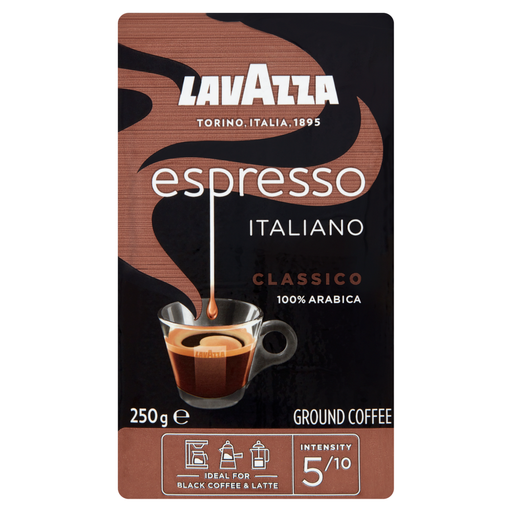
Consider this 250 g ground coffee for a moka pot, filter brewer or French press if the delivered pack confirms the method you use. Check its identity and ingredients before service: the associated product description also contains conflicting dietary-supplement wording. Confirm the current preparation and storage directions on the pack.
 No image available
For a home using a cafetière or filter brewer, compare the current preparation directions with its equipment. This is a 200 g ground-coffee pack. Check the pack’s caffeine information and instructions for sealing and storage before adding it to the service routine.
 No image available
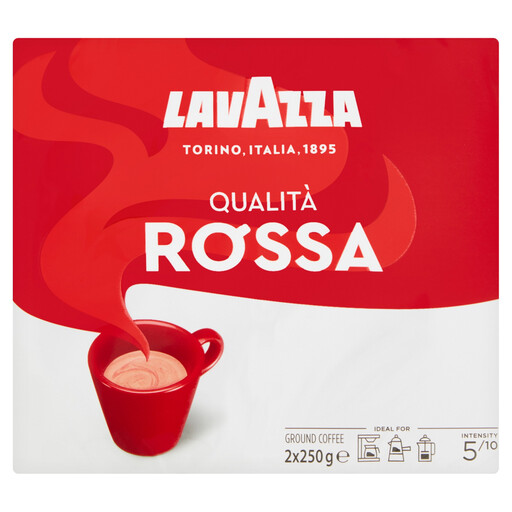
This 500 g option may suit a home planning stock for moka, filter or French press preparation. Lavazza names espresso and moka as preparations for Qualità Rossa, while the Joybuy product description also names filter and French press. Check the delivered pack’s directions and opened-pack storage instructions against the home’s routine.
 No image available
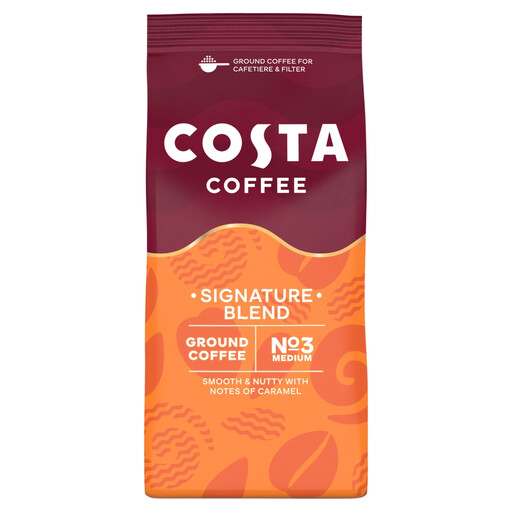
The product name specifies a No. 3 medium grind for cafetière and filter use, making the stated method the first thing to compare with the home’s brewer. Check the current pack for dosing, caffeine information and opened-pack storage directions before staff prepare it.
 No image available
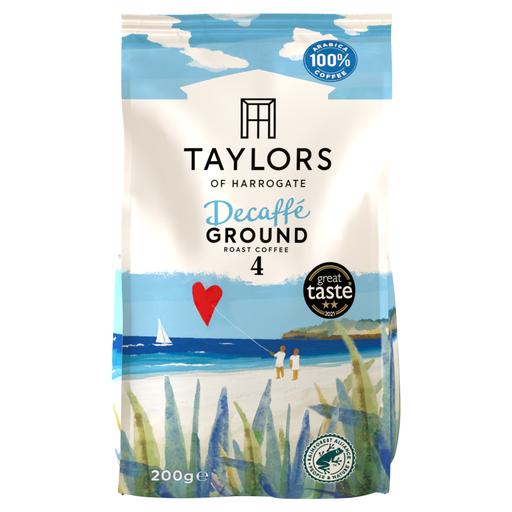
This named decaffeinated ground coffee is a 200 g option where a resident prefers decaf. Check the current pack for compatibility with the home’s brewer, preparation directions and instructions for storage after opening; decaf need not replace regular coffee for everyone.
No single caffeine choice suits every resident. In England, the Care Quality Commission’s Regulation 14 guidance says providers must take account of people’s preferences and nutritional and hydration needs when food and drink form part of their care. Offer decaffeinated coffee where it matches an individual’s preference or assessed needs rather than making it the automatic replacement for regular coffee.
No. Ground coffee is available in packs and tins, so choose a format that fits the home’s storage and preparation routine. Check that the product is ground coffee for the brewer in use, not instant coffee sold in a jar.
Follow the directions on that product’s current pack. Record any resealing, temperature or use-after-opening instructions in the staff routine, and do not apply another brand’s directions to it.
Do not assume so: check both the coffee’s stated brewing methods and the equipment manufacturer’s instructions. Rombouts specifies Cachet d’Or for filter and cafetière use, while Tesco Groceries lists cafetières, filter machines, moka pots and percolators for Tesco Finest Decaffeinated Colombian.