Quick-break home or office brewers
If time is short, start with the equipment available where you make coffee. A product intended for a cafetière or filter machine answers a different practical need from a filter that sits directly on a cup.


Choose ground coffee that names the brewer you use during your morning break, whether that is a cafetière, filter machine or moka pot; for a cup without a separate brewer, consider a one-cup filter or coffee bag. Then compare the product’s described flavour and bean blend, or choose a half-caffeine blend if reducing caffeine matters to you. A strength number alone does not tell you the caffeine amount in a prepared cup.
If time is short, start with the equipment available where you make coffee. A product intended for a cafetière or filter machine answers a different practical need from a filter that sits directly on a cup.
Bean composition and product-specific tasting notes help distinguish a chocolate-led Arabica–Robusta blend from a 100% Arabica coffee described as smoother. Neither description predicts exactly how your prepared cup will taste.
A half-caffeine blend offers a different choice from a fully caffeinated coffee, but it still contains regular coffee. Check the blend statement rather than using the pack’s strength number as a caffeine measure.
Settle the preparation method first, then use the exact product’s blend, flavour description and format to narrow the choice.
| Priority | What to check | Your needs |
|---|---|---|
| Brewer fit | Look for your brewing method in the pack guidance. Do not assume that espresso, moka, cafetière and filter variants in the same range are interchangeable. | I make coffee with a particular brewer and want the grounds to be intended for it. |
| Flavour direction | Compare the exact blend’s bean composition, roast description and tasting notes. Lavazza describes Qualità Rossa as a chocolate-led Arabica–Robusta blend; Waitrose lists Taylors Rich Italian as 100% Arabica for cafetière or filter use. | Some mornings call for the fuller profile described on one pack; on others, I may prefer a coffee described as smoother. |
| Caffeine format | Read the ingredient statement rather than treating a strength number as a caffeine figure. Sainsbury’s lists its Taste the Difference Half Caff as 50% coffee and 50% decaffeinated coffee; that does not specify caffeine per prepared cup. | I want to reduce caffeine without giving up my usual ground-coffee routine. |
| Cup preparation | Check whether the product is loose ground coffee, a one-cup filter or a coffee bag, and follow its preparation directions. A pre-portioned format gives less control over the amount of coffee used. | There may be no cafetière or machine where I take my break, so I need a format I can prepare in a cup. |
Ground coffees with similar names can be intended for different preparation methods. Illy, for example, lists separate Classico espresso and moka products.
Choose the variant that names your brewer and use that product’s preparation instructions.
Sainsbury’s Taste the Difference Half Caff contains both regular and decaffeinated coffee, so a prepared cup still contributes caffeine.
If reducing caffeine is your aim, check the blend statement and consider other sources of caffeine you consume during the day.
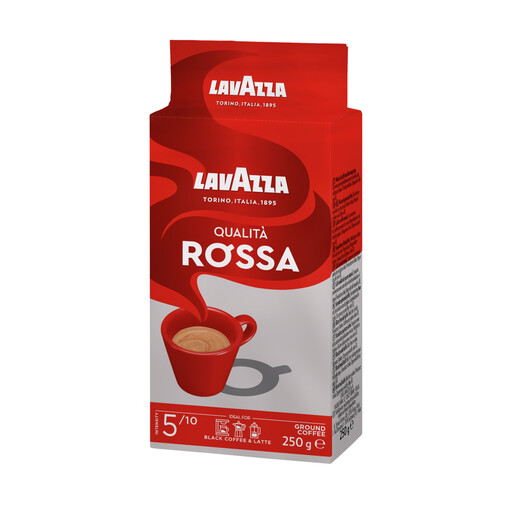
Qualità Rossa is a medium-roast Arabica–Robusta option for buyers comparing filter, French press and moka preparation.
Classico includes separately named ground-coffee products for espresso and moka preparation.
Rich Italian is a 100% Arabica option listed by Waitrose for cafetière or filter preparation.
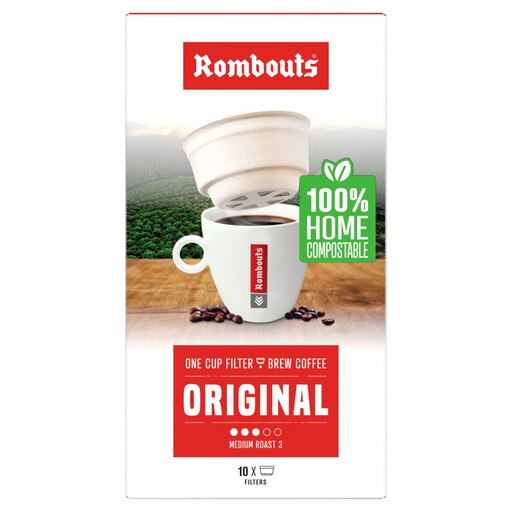
Original One Cup Filters offer ground coffee in a format placed directly over a suitable cup.
Café Blend is an Arabica–Robusta ground coffee with several brewing methods named on Tesco’s product page.
Taste the Difference Half Caff is a ground-coffee route for someone choosing to reduce caffeine.
These options cover cup-side filters and coffee bags as well as ground coffee described for cafetière, filter or moka preparation. Match each product’s format and named brewing methods to your own setup.
 No image available
The one-cup filter format suits a break without a separate brewer. It is pre-portioned, so it offers less control over the amount of coffee used than loose grounds; check the pack’s preparation and storage directions.
 No image available
For a morning cup made with a filter, French press or moka pot, this is an Arabica–Robusta blend that Lavazza describes as medium roast with chocolate notes. If you use an espresso machine, check the pack’s brewing guidance rather than assuming compatibility.
 No image available
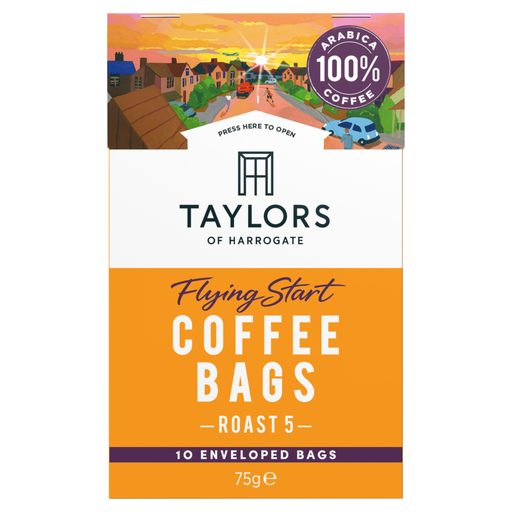
Coffee bags offer a cup-brewed option without handling loose grounds. The product description identifies 100% Arabica coffee with hazelnut and caramel notes; check the pack for the bag count and preparation directions.
 No image available
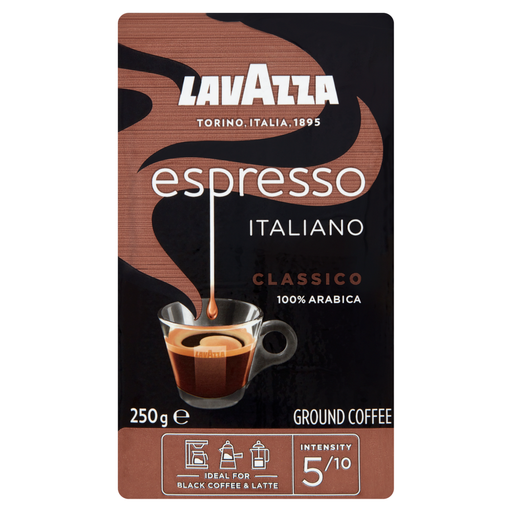
Moka and filter preparation are named for this ground coffee, which the product description calls a medium roast with fruity notes. Despite “Espresso” in the name, check the pack guidance if you intend to use an espresso machine.
 No image available
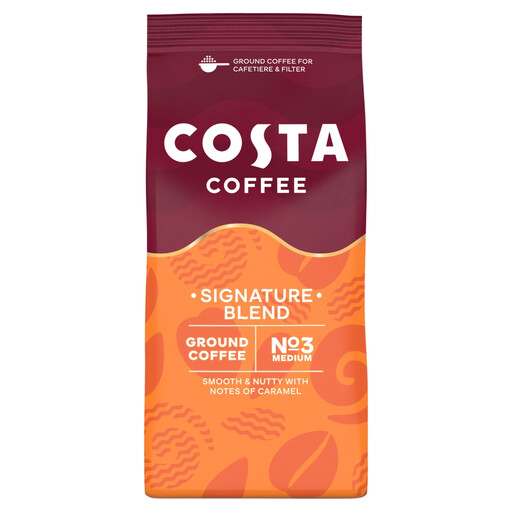
The product names cafetière and filter preparation and describes a No. 3 medium grind with nutty flavour notes. Check the pack guidance before choosing it for a moka pot or espresso machine.
Choose a product that names your brewing method. Tesco lists all three methods for Finest Café Blend, while illy sells separate Classico products for espresso and moka preparation. Check the exact variant rather than assuming similarly named grounds suit the same brewer.
Do not use a pack strength number as a caffeine measurement. Tesco Finest Café Blend carries a strength 4 label, while Sainsbury’s Taste the Difference Half Caff carries a strength 3 label and contains 50% decaffeinated coffee. For a caffeine-related choice, read the blend statement instead of comparing those numbers.