Hosts with a cafetière or filter machine
You can serve brewed coffee if you choose grounds intended for your equipment. Check the exact pack’s preparation directions rather than choosing by roast name or container alone.


Choose ground coffee for a cream tea if you have equipment suited to brewing it; a jar of instant coffee is the simpler choice if you only plan to add hot water. Match the grounds to your cafetière, filter machine, moka pot or espresso setup first, then consider guests’ flavour and caffeine preferences. A tin or jar helps with storage only when used as the pack directs: it does not make one grind suitable for every brewer.
The useful starting point is how you will make and serve coffee alongside the tea and scones.
You can serve brewed coffee if you choose grounds intended for your equipment. Check the exact pack’s preparation directions rather than choosing by roast name or container alone.
Look for a product designated for the brewer you own. For example, illy lists separate ground-coffee variants for espresso, moka pots and filters; its CLASSICO espresso coffee comes in a 250 g can.
You may want a decaffeinated choice alongside regular coffee. Half-caff is a different option: Sainsbury’s describes its Half Caff as a blend of regular and decaffeinated arabica.
Choose the preparation method first. Flavour, caffeine choice and storage format can then narrow down coffees that suit that method.
| Priority | What to check | Your needs |
|---|---|---|
| Brewing method | Check whether the exact coffee is designated for a cafetière, filter machine, moka pot or espresso setup. Follow its preparation directions; Sainsbury’s gives a cafetière method for Fire Up Your Morning of one tablespoon per 200 ml of off-the-boil water, steeped for 3–5 minutes before plunging. | I have a brewer ready for the cream tea and want grounds intended for it. If I will only have a kettle, instant coffee is a different purchase from roast-and-ground coffee. |
| Flavour direction | Read the description of the particular blend, then check that it also suits your brewer. Taylors of Harrogate describes Rich Italian as rich and smooth, without the bitterness it associates with some darker roasts; that is the brand’s description, not a taste test. | Some guests may prefer a smoother description, while others may want a darker roast. I would choose around their preferences rather than assume one coffee belongs with every cream tea. |
| Caffeine choice | Distinguish regular, half-caff and decaffeinated labels. Sainsbury’s Half Caff combines regular and decaffeinated arabica; illy states that its 250 g DECAFFEINATO espresso-ground coffee has caffeine content not higher than 0.1%. Check the brewing designation too. | If a guest asks for decaf, I want an option clearly labelled decaffeinated, not just a lower-caffeine blend. |
| Storage after opening | Check the pack format and its own storage directions. Lavazza advises careful resealing and cool, dry storage for its ground-coffee range; illy advises keeping its CLASSICO espresso can away from light and heat and preferably refrigerating it after opening. | I may have coffee left after the gathering, so I need a way to store the opened product as its label directs. A jar matters only if it meets those practical instructions. |
A jar describes a container, not how the coffee is prepared. Roast-and-ground coffee still needs suitable brewing equipment, whereas instant coffee is made by adding water to the soluble coffee.
Decide how you will prepare the coffee before choosing a format. If you only plan to use a kettle and have no brewer, choose instant coffee rather than ground coffee.
Lavazza says its grounds are calibrated for intended preparation methods, and illy lists separate espresso, moka-pot and filter products. A familiar brand or roast name does not establish compatibility with your equipment.
Check the preparation designation and directions on the exact product you intend to serve.
Sainsbury’s Half Caff contains a blend of regular and decaffeinated arabica. That is not the same product description as illy’s DECAFFEINATO espresso-ground coffee, for which illy states a caffeine limit of 0.1%.
If a guest requests decaf, offer coffee labelled decaffeinated and check that its grind suits your brewer.
Storage directions vary by product. Sainsbury’s directs buyers to use an airtight container after opening Fire Up Your Morning, while illy gives light, heat and refrigeration guidance for its CLASSICO espresso can.
Follow the directions on the pack you buy, rather than assuming that every can, bag or jar needs the same treatment.
These ranges illustrate preparation, caffeine and packaging choices; a range description does not establish that every product within it suits your brewer.
Lavazza UK describes ground coffees intended for different brewing methods, including moka, espresso and filter preparation.
illy UK lists separate ground-coffee choices for espresso, moka pots and filters, as well as a decaffeinated espresso option.
The brand describes its 200 g Rich Italian ground coffee as a rich, smooth blend.
Rombouts lists both standard and decaffeinated ground coffees in its UK range.
Tesco lists several 227 g Finest roast-and-ground coffees, including Peruvian, Colombian and Sumatra varieties.
Sainsbury’s lists a Half Caff ground coffee and gives cafetière directions for its Fire Up Your Morning ground coffee.
These choices include ground coffees labelled for cafetière or filter preparation, a one-cup filter format and a decaf ground coffee. Match each option to your equipment and guests’ preferences; a product title alone may not give every preparation or storage direction you need.
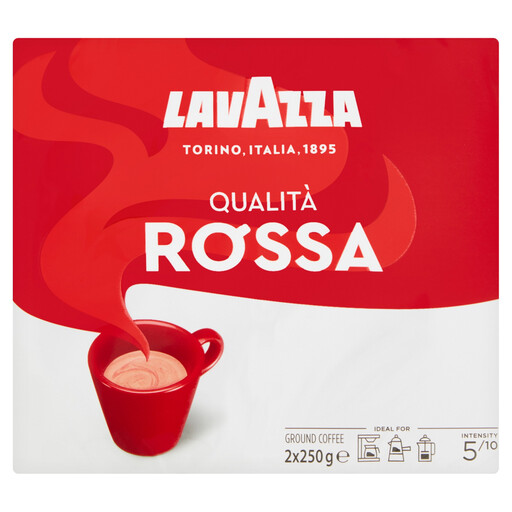 Image unavailable
Consider this ground coffee if you plan to brew for several guests and can match it to your equipment. The listing names moka, filter and French-press preparation; check the pack for directions for the method you will use.
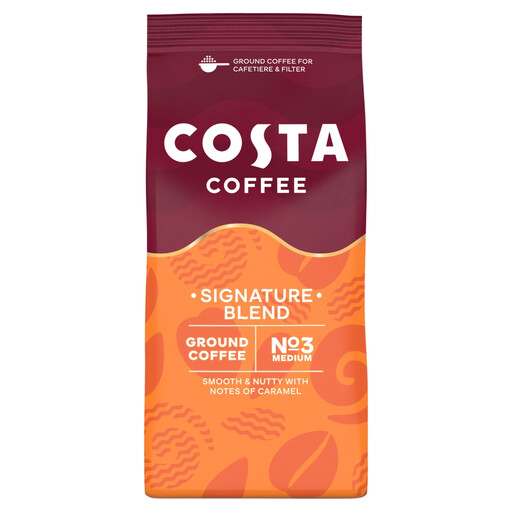 Image unavailable
The product name identifies cafetière and filter preparation, making those the methods to check against your cream-tea setup. Its listing advises airtight storage after opening; check the pack if you need a particular container format or caffeine designation.
 Image unavailable
Consider this option if guests favour the darker roast described in its listing. The product description names cafetière and filter preparation; check the pack for brewing directions and seal it as directed after opening.
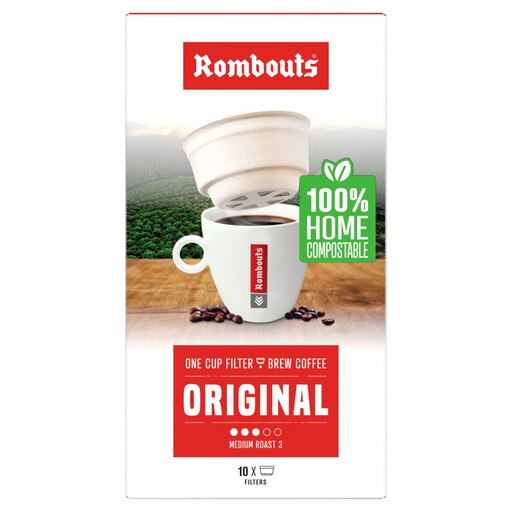 Image unavailable
This is a one-cup filter format rather than a jar of loose ground coffee, so it may suit serving coffee individually. Check the pack for preparation steps and the number of servings before planning for guests; its listing advises use within two weeks of opening.
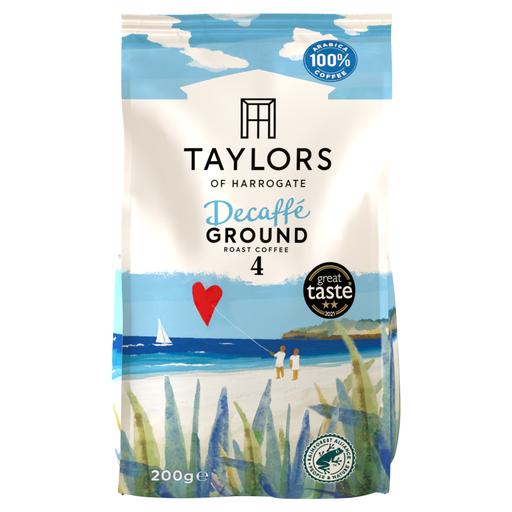 Image unavailable
This labelled decaf option addresses a different guest preference from half-caff. Before buying it for a cream tea, check the pack’s preparation directions against the brewer you will use.
No. Roast-and-ground coffee is intended for brewing rather than dissolving like instant coffee. Use equipment suited to the product: for example, Sainsbury’s gives cafetière and filter-machine directions for Fire Up Your Morning, while illy designates its CLASSICO espresso grounds for espresso preparation.
No particular jar is required for the coffees described here. Follow the storage directions for the exact product: illy advises keeping its CLASSICO espresso can away from light and heat and preferably refrigerating it after opening, while Sainsbury’s directs buyers to store its Fire Up Your Morning coffee in an airtight container after opening.
No. Sainsbury’s describes its Half Caff as a blend of regular and decaffeinated arabica. For its separate DECAFFEINATO espresso-ground product, illy states caffeine content not higher than 0.1%; check both the caffeine designation and brewing method when choosing for a guest.
Do not assume so. Lavazza says its grounds are calibrated for intended brewing methods, and illy lists separate espresso, moka-pot and filter variants. Check the designation and instructions on the exact coffee before buying it for your equipment.