For an afternoon coffee with older guests, choose the caffeine format around each person’s preference rather than their age: decaf suits someone seeking to minimise caffeine, half-caff offers a blend of regular and decaffeinated coffee, and regular coffee remains an option for someone who is content with caffeine. Decaf still contains some caffeine, according to the British Coffee Association; whichever format you choose, check that the ground coffee suits your brewer and follow its pack instructions.
Who is this choice for?
Older drinkers who prefer less afternoon caffeine
Someone who enjoys afternoon coffee but wants to reduce caffeine may start by considering decaf. It is not caffeine-free, so an individual requirement to avoid caffeine calls for more specific product information.
Hosts using a cafetière or filter brewer
When making several cups, a pack that names the intended brewer and gives a starting dose makes preparation easier to plan. Check the instructions on the coffee you actually serve.
Drinkers considering a smaller change
A half-caff product offers a route between regular and decaf coffee. Sainsbury’s Taste the Difference Half Caff, for example, lists 50% coffee and 50% decaffeinated coffee in its ingredients; that composition is not a measurement of caffeine in a brewed cup.
What should you check before buying?
Decaf
Consider it when: The drinker wants to minimise caffeine in an afternoon cup.
Bear in mind: The British Coffee Association says a small amount of caffeine remains after decaffeination.
Half-caff
Consider it when: The drinker wants a blend containing both regular and decaffeinated coffee.
Bear in mind: A 50/50 ingredient mix does not establish the caffeine amount in a prepared cup.
Regular coffee
Consider it when: The drinker is content to have a caffeinated afternoon coffee.
Bear in mind: Roast strength and flavour descriptions do not tell you the caffeine amount per cup.
Once you have chosen a caffeine format, check the brewer, preparation directions and flavour profile separately.
| Priority | What to check | Your needs |
|---|
| Caffeine format |
Look for regular, half-caff or decaf on the pack. For a specific caffeine limit, ask for product-specific information rather than calculating it from the blend ingredients. |
I’d like an afternoon coffee with less caffeine, or I’m happy to serve regular coffee to someone who wants it. |
| Brewer fit |
Match the stated grind or preparation method to your cafetière, filter machine or other brewer. Follow that pack’s dose and brewing directions. |
My cafetière or filter machine needs coffee intended for the way I prepare it, especially when I’m making several cups. |
| Flavour |
Compare roast descriptions and tasting notes after choosing the caffeine format. Dark or bold describes a flavour profile, not caffeine per serving. |
A medium-bodied cup sounds more appealing for this gathering, or perhaps the guests would prefer a darker, bolder taste. |
| Storage |
Read the pack’s instructions for resealing and storage after opening, particularly if the coffee will be used across several afternoons. |
I won’t use the whole pack at once, so I want to know how to keep the opened coffee as directed. |
Common buying mistakes
-
Assuming decaf means no caffeine
The British Coffee Association says at least 97% of the caffeine is removed during decaffeination, but a small amount remains.
If complete caffeine avoidance matters, do not rely on the word “decaf” alone; seek information for the specific product and serving.
-
Using roast strength as a caffeine guide
A dark or bold flavour description does not give the caffeine amount in a cup. Nor does a half-caff blend’s 50/50 ingredient list establish an exact reduction in brewed caffeine.
Choose the caffeine format first, then compare roasts and tasting notes for the flavour guests prefer.
-
Overlooking the brewing method
Ground-coffee packs do not all specify the same equipment. Rombouts identifies its decaf as medium-ground for filter and cafetière use, while other products give their own preparation directions.
Check the intended brewer and follow the directions on the chosen pack rather than applying another coffee’s recipe.
Brand ranges to consider
These brand references help distinguish decaf, half-caff and brewing formats; a brand name alone does not establish which pack suits your equipment.
Lavazza
Lavazza offers decaffeinated ground coffee and a wider decaf collection.
- Lavazza says its decaf collection uses carbon dioxide to extract caffeine from green beans.
- Check the preparation format of the particular ground coffee rather than assuming every product in the collection suits the same brewer.
Illy
Illy lists decaffeinated ground coffee alongside Classico and Intenso options.
- Illy’s UK listing distinguishes ground espresso products from a filter Classico product.
- Check the stated preparation format before choosing a pack for a cafetière.
Taylors of Harrogate
Tesco’s ground-coffee listing includes Taylors Decaffe Roast alongside regular roasts.
- The listed decaf and regular packs offer a clear starting distinction when choosing a caffeine format.
- Check the directions on the particular Taylors pack for your brewer.
Rombouts
Rombouts gives specific brewing information for its decaf ground coffee.
- Rombouts identifies a medium grind for cafetières and filter brewing and suggests starting with 60 g per litre of water.
- That recipe is a starting point for this product, not a universal dose for other coffees.
Tesco Finest
Tesco Finest Decaffeinated Colombian Ground Coffee offers a decaf option described as dark and bold.
- Tesco’s product page provides cafetière directions and describes caramel, blood-orange and nutty notes.
- Its bold flavour description should not be read as a caffeine measurement.
Sainsbury’s Taste the Difference
The range includes a Colombian decaf ground coffee and a separately identified Half Caff blend.
- Sainsbury’s lists the Half Caff ingredients as 50% coffee and 50% decaffeinated coffee; its Colombian decaf page gives cafetière instructions.
- The Half Caff ingredient proportions do not state the caffeine amount per prepared cup.
Ground coffee options on Joybuy
These options include regular ground coffees for guests choosing a caffeinated cup and decaf ground coffees for those seeking less caffeine. Check each pack’s brewer directions before serving.
 No image available
Taylors of Harrogate After Dark Ground Coffee 200g
A regular ground-coffee option for a guest who is content with afternoon caffeine. Check the pack’s preparation directions for the brewer you plan to use.
View on Joybuy
 No image available
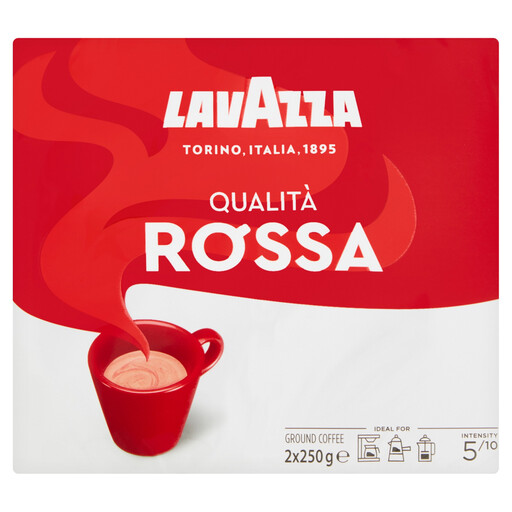
Lavazza Qualità Rossa Ground Coffee 500g
A 500g regular ground-coffee pack for guests choosing a caffeinated cup. Confirm the preparation directions and serving dose on the pack for your brewer.
View on Joybuy
 No image available
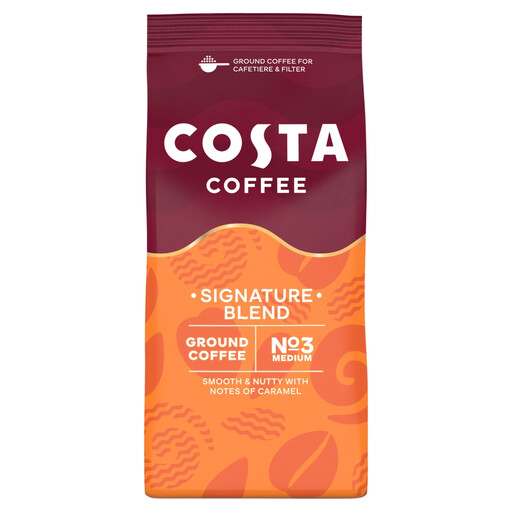
Costa Coffee Mocha Italia Signature Blend Ground Coffee No. 3 Medium 200g
A regular ground-coffee option whose title specifies cafetière and filter use, with a No. 3 medium grind. Check the pack’s storage directions after opening.
View on Joybuy
 No image available
Taylors of Harrogate Decaf Ground Coffee 200g
A decaf ground-coffee option for an afternoon serving with less caffeine than a regular format. Decaf is not caffeine-free; check the pack for brewer suitability and seek product-specific information if a strict caffeine limit matters.
View on Joybuy
 No image available
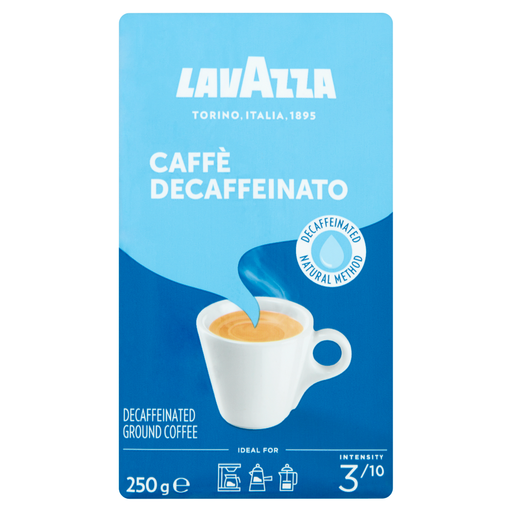
Lavazza Decaf Classico Ground Coffee 250g
A 250g decaf ground-coffee option for guests seeking to minimise afternoon caffeine. Check the pack’s brewing guidance for your equipment, and do not treat the decaf label as a guarantee of zero caffeine.
View on Joybuy
Frequently asked questions
Is decaf ground coffee completely caffeine-free?
No. The British Coffee Association says decaffeination removes at least 97% of the caffeine, leaving a small amount. If complete avoidance matters, ask for information about the specific coffee rather than relying on its decaf label.
Does every older guest need decaf coffee?
No age alone determines the choice between decaf, half-caff and regular coffee. Ask what the guest prefers; if caffeine is a particular concern, remember that half-caff contains regular coffee and decaf still contains a small amount of caffeine.
How much ground coffee should I use in a cafetière?
Follow the directions for the pack you choose. Rombouts suggests starting with 60 g per litre for its decaf ground coffee, while Sainsbury’s Colombian Decaff gives a one-tablespoon-to-200 ml starting measure and a 3–5 minute wait before plunging. Those are product-specific instructions, not a recipe for every blend.
How should I store ground coffee after opening?
Follow the chosen pack’s storage and resealing directions. If you are buying coffee for occasional afternoon gatherings, check those instructions before deciding how much to buy and where you will keep an opened pack.


