Desk cafetière or filter users
If you make one cup at lunch, look for preparation guidance that names your cafetière or filter setup. Think about where an opened pack will be kept between uses, too.


Choose ground coffee that matches the brewer you use at lunch before choosing a flavour. Lavazza describes its 500g Qualità Rossa pack for moka, filter and French-press preparation, while illy sells separate ground formats for espresso and moka pots. If flavour leads your choice, check the pack’s brewing guidance as well as its tasting description, and consider how you will store it between cups.
If you make one cup at lunch, look for preparation guidance that names your cafetière or filter setup. Think about where an opened pack will be kept between uses, too.
Choose a ground format labelled for your equipment rather than assuming an espresso, moka and filter product from the same brand will be interchangeable.
If taste and easy repeat buying drive the decision, compare the stated flavour profile and pack size, then check that your chosen blend suits the brewer at your desk.
Start with the brewer you already have, then narrow the choice by flavour and by how often you will open the pack.
| Priority | What to check | Your needs |
|---|---|---|
| Brewer fit | Check whether the pack names your moka pot, espresso machine, cafetière or filter setup. Where a brand sells separate ground formats, select the format as well as the roast. | My lunch brewer is already set up, so I want ground coffee with preparation guidance for that method. If I switch brewers, I need the pack to name each intended method. |
| Flavour | Read the maker’s roast and flavour description. Treat strength numbers as labels within that maker’s range, not as a common measure of caffeine or quality across brands. | I might prefer a rich, dark-roast cup or a smoother-tasting blend; the description helps me choose a flavour direction without assuming every brewer will produce the same cup. |
| Pack and storage | Compare the stated pack size with how often you make coffee. Check the product’s instructions for resealing or storing it after opening. | For an occasional lunch cup, I would rather choose an amount I expect to use and have somewhere suitable to keep the opened coffee. |
| Repeat buying | Check the exact variety and pack size when reordering. Read the current label and preparation instructions, as product details can change. | If I buy coffee with my groceries, I want to recognise the same blend and brewing format next time rather than relying on the range name alone. |
Lavazza says its grounds are calibrated for intended brewing methods, and illy lists distinct espresso and moka-pot ground products. A brand or roast name alone does not identify the right format for a desk brewer.
Check the pack’s preparation guidance against your equipment. Choose a multi-method product only when its guidance names the methods you use.
A maker’s strength label describes its own product; it does not establish a shared caffeine, flavour or quality scale across brands.
Read the roast and flavour description alongside the strength label, and keep the brewer in mind when comparing options.
A pack used only for occasional lunch cups may remain open between brews. The stated storage instructions matter after opening, whatever the original pack size.
Choose an amount that fits your use and follow the product’s guidance on sealing it and keeping it away from heat and moisture.
Lavazza sells ground coffee for different brewing methods. Its Qualità Rossa 500g listing describes moka, filter and French-press preparation.
illy separates ground-coffee products by brewing format, including Classico espresso and moka-pot versions.
Taylors describes its 200g Rich Italian ground blend as rich and smooth.
Rombouts offers vacuum-packed ground coffee, including Cachet d'Or and decaffeinated options.
Tesco Finest lists several 227g roast-and-ground coffees with different origin names.
Sainsbury's lists ground coffees with different stated styles and strengths, including decaffeinated varieties.
These options cover cafetière, filter and moka preparation, plus a one-cup filter format. Match the method named for each product to the equipment you use at lunch.
 No image available
For a cafetière or filter setup, the product description names both methods and describes a dark-roast profile with cocoa and brown-sugar notes. Check the pack guidance if you use another brewer; the darker profile may not suit a preference for a less intense cup.
 No image available
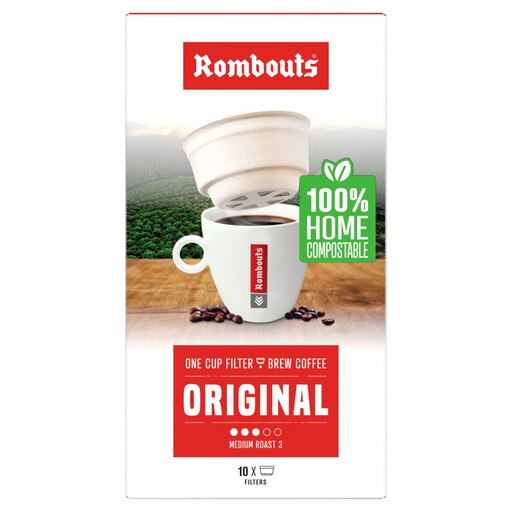
The one-cup filter format is an option for making an individual lunch coffee without a separate cafetière. Its product description calls the blend medium-bodied and advises using it within two weeks of opening. Check the pack instructions if you have a different brewing setup.
 No image available
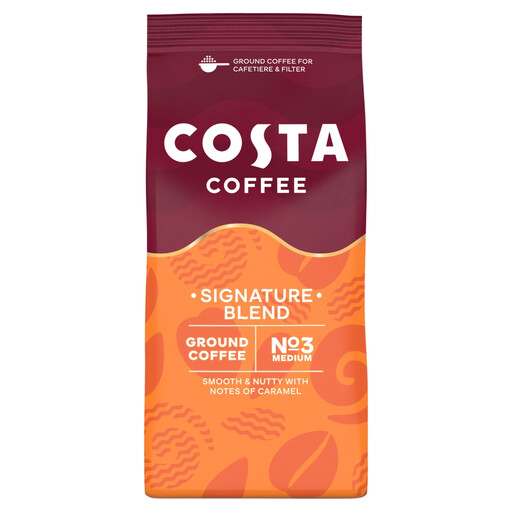
This 200g pack names cafetière and filter brewing. The product description calls its flavour smooth and nutty and advises airtight storage after opening and use within two weeks. For another brewer, check its preparation guidance first.
 No image available
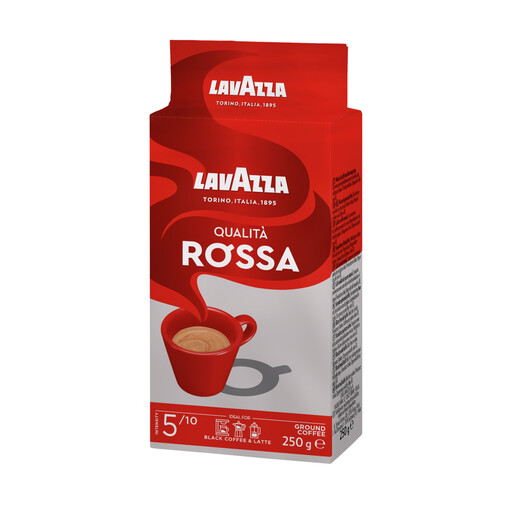
The description for this 250g pack names moka and filter preparation and says the cup changes with the method. If you plan to use a French press, check this pack’s own guidance rather than applying the 500g listing’s directions to it.
 No image available
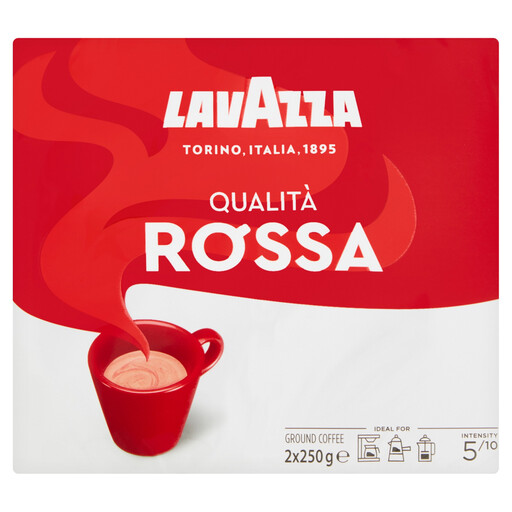
Joybuy describes this 500g pack for moka, filter and French-press preparation, making it worth considering if your lunch brewer changes. The description says the cup varies by method; consider whether the pack size fits how often you make coffee and follow its cool, dry storage guidance.
Start with the brewer and choose a pack whose stated preparation method matches it. If you alternate between brewers, check that the particular pack names each method you intend to use; then compare flavour and pack size.
Follow the directions for your chosen coffee. For its Fire Up Your Morning ground coffee, Sainsbury's gives one tablespoon per 200ml of off-the-boil water; that is product-specific guidance, not a measure for every ground coffee.
Follow the pack’s after-opening instructions and keep the coffee sealed between lunch breaks. Check the storage and use guidance when choosing a pack size, particularly if you only make coffee occasionally.
Read the current pack before using the coffee. Sainsbury's advises customers to check the label because product details and ingredients can change, so confirm the brewing directions and other details on the coffee you receive.