Desk workers with a mug and hot water
A one-cup filter or coffee bag offers an individual portion without measuring loose grounds. Check how it sits on or brews in your mug before buying.


For a quick desk lunch with only a mug and hot water, choose an individually portioned coffee filter or bag rather than loose grounds. A larger pack of loose ground coffee makes more sense where a shared kitchen has a compatible brewer and someone can measure and clear away the grounds. If you need a box of 240, check what the count represents before ordering: a bag count, a pack weight and a number of prepared cups are not interchangeable.
The equipment available at lunchtime is the clearest starting point for choosing a coffee format.
A one-cup filter or coffee bag offers an individual portion without measuring loose grounds. Check how it sits on or brews in your mug before buying.
Loose grounds can suit a kitchen with a compatible brewer and someone to measure the coffee and clean up. Pre-portioned batch sachets serve a different purpose: making coffee by the jug.
Look for coffee explicitly labelled decaffeinated, then check its brewing format. A one-cup portion or a smaller pack does not, by itself, mean the coffee is decaf.
Decide whether you are making one mug or serving several people, then check the brewing method and what the pack quantity measures.
Choose when: You have a mug and hot water but no shared brewer.
Bear in mind: Individual portions avoid measuring loose grounds, but a pack of one-cup filters is not necessarily a catering-size box.
Choose when: A shared kitchen has equipment suited to the particular ground coffee.
Bear in mind: Each brew needs measuring and clearing up; pack weight does not establish a fixed number of cups.
Choose when: You are preparing jugs for meetings or workplace service.
Bear in mind: A measured batch sachet needs the intended jug or filter setup, rather than a single desk mug.
| Priority | What to check | Your needs |
|---|---|---|
| Brewing method | Check the pack’s stated method against your mug, filter machine, cafetière or moka pot. A ground-coffee label alone does not establish compatibility with every brewer. | I only have a mug and hot water at my desk, so a one-cup format matters more to me than a loose pack intended for a machine. |
| Pack quantity | Read the net weight and count separately. Check whether each counted item is a coffee filter, coffee bag or batch sachet, and how it is prepared. | If I am ordering for colleagues, I need to know what the stated count will actually let us make. A weight in grams is not a stated number of cups. |
| Storage and turnover | Check the exact pack’s storage instructions and whether its size fits how often coffee will be made. Reseal loose coffee after opening. | Our office may make coffee only at lunch, so I would rather choose a pack size we can use at our usual pace. |
| Decaf and added ingredients | Check the exact coffee label for decaf. If a food business serves prepared drinks, check the ingredients added and its allergen-information procedures; GOV.UK guidance requires retail and catering food businesses to provide allergen information and manage allergens in preparation. | I may want a clearly labelled decaf option. When serving others, I also need accurate information about additions such as milk or plant-based alternatives. |
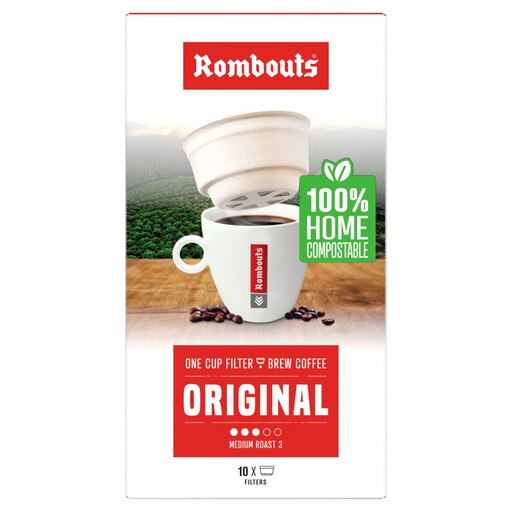
A count may refer to another drink or a different preparation format. For example, the Joybuy listing for 240 Tetley bags is tea, while Rombouts lists its Original One Cup Filters as a pack of 10 coffee filters.
Read the product type, net weight, unit count and brewing instructions together before treating a count as coffee portions.
Loose coffee needs equipment suited to its stated brewing method, as well as measuring and clearing up. Lavazza says it grinds coffees for intended methods including moka, espresso and filter brewing.
Identify the equipment in the kitchen first. For a desk with only a mug and hot water, check a one-cup format instead.
An opened pack needs appropriate storage between uses; a larger weight does not make individual portions ready to brew.
Compare pack size with how often coffee is made, and follow the exact product’s instructions for storage after opening.
These brands illustrate different ground-coffee and one-cup formats; check the particular product rather than assuming a format applies across a whole range.
Lavazza’s UK ground-coffee range includes products described for different brewing methods.
illy separates ground-coffee products by preparation method in its UK range.
Rombouts offers loose ground coffee and an Original One Cup Filter format for making coffee over a cup.
Taylors of Harrogate appears in UK retail ground-coffee listings, including Rich Italian Roast in a 200 g pack.
Tesco Finest is a supermarket ground-coffee range with origin and roast variants.
These options include individual coffee filters, bags and drip bags for a desk mug, plus loose ground coffee for a kitchen with suitable brewing equipment. Check unit counts separately if a particular bulk quantity matters.
 No image available
For a mug and hot water, this one-cup filter avoids measuring loose grounds. Rombouts lists the Original One Cup Filters as a pack of 10; the 70 g pack should be stored according to its instructions after opening. Check local arrangements before relying on a composting disposal route.
 No image available
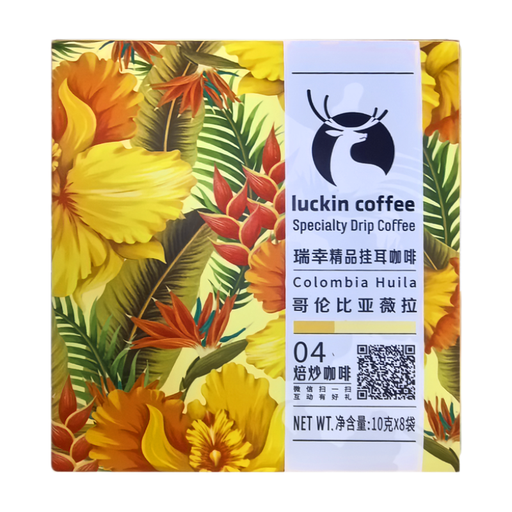
The individually portioned bags offer a cup-based filter-coffee option for a desk with hot water. The stated pack contains eight 10 g bags, so check that quantity against the number of drinks you plan to make.
 No image available
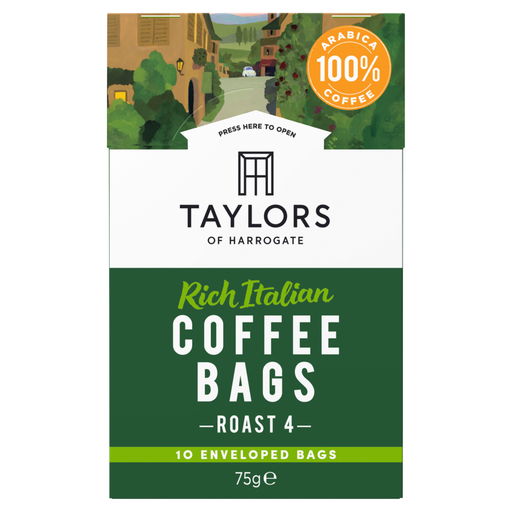
Coffee bags are an option when you want to brew in a mug without measuring loose grounds. This pack is labelled 75 g; check its bag count if you are buying for a set number of lunches.
 No image available
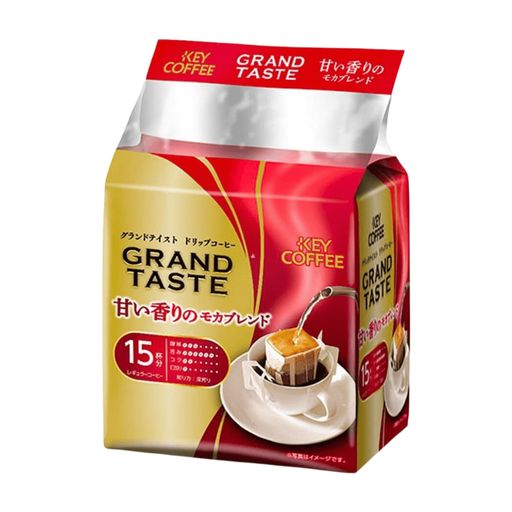
This drip-bag format is relevant to making an individual cup with hot water rather than dosing loose coffee for a shared brewer. The pack is labelled 90 g; check the number of drip bags before planning a set quantity of servings.
 No image available
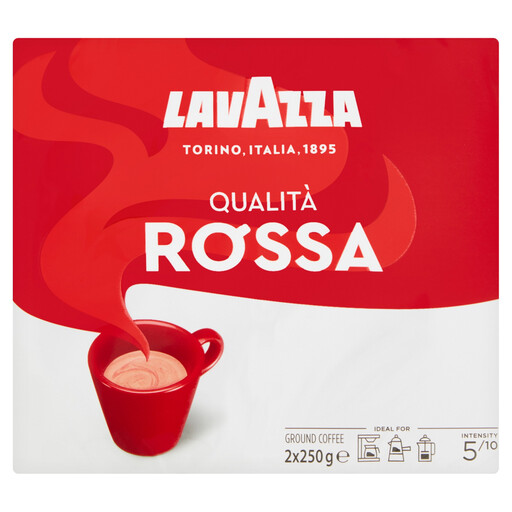
This loose ground coffee suits a shared kitchen when the available equipment matches the stated preparation methods. The 500 g product is described for moka pots, filters and French presses; it requires measuring and does not state a fixed number of servings.
No: check both the exact coffee pack and the brewer instructions. Lavazza describes grounds made for intended methods, while illy lists separate espresso, filter and moka formats; “ground coffee” alone does not establish compatibility with every brewer.
Not necessarily. The Joybuy 240-bag Tetley product is tea, while Rombouts lists 10 filters in its Original One Cup Filter pack. Check the beverage, the type of unit counted and its preparation method before using the count to plan coffee servings.
Follow the storage instructions on the exact pack and close it carefully between uses. The Rombouts one-cup filter product calls for cool, dry storage away from strong odours and use within two weeks of opening.
Decaf ground coffee is an option, but check the particular pack size and brewing method. Lavazza Decaf Classico is listed as a 250 g ground coffee; its decaf label does not specify a number of prepared cups.