Home brewers taking a mid-morning break
If you use a cafetière, filter machine or moka pot, start with the methods printed on the coffee pack. Ground coffee lets you brew without buying whole beans and a grinder, but it still needs preparation.


Buy ground coffee for elevenses if you have a brewer that suits the preparation method stated on the pack. A smaller pack or a can may suit occasional brewing, but the container does not make ground coffee soluble like instant coffee. If you want to reduce caffeine, look for a product labelled decaf rather than judging by its roast or intensity name.
Ground coffee is a practical choice for a mid-morning break when you already have suitable brewing equipment and time to use it.
If you use a cafetière, filter machine or moka pot, start with the methods printed on the coffee pack. Ground coffee lets you brew without buying whole beans and a grinder, but it still needs preparation.
A smaller pack or can may be easier to keep between occasional coffee breaks. Check the quantity and storage instructions as well as the brewing method: a can of ground coffee is not an instant-coffee jar.
If caffeine is a consideration at elevenses, look for ground coffee explicitly labelled decaf. You will still need brewing equipment suited to that particular product.
Check how you will make the coffee first, then compare flavour, container size and caffeine preference among suitable products.
| Priority | What to check | Your needs |
|---|---|---|
| Brewing method | Read the suitable methods on the exact pack. For example, Tesco Groceries lists Tesco Finest Café Blend for cafetières, filter machines, moka pots and percolators; Rombouts describes Cachet d'Or as medium-ground for filter and cafetière use. | I want grounds labelled for the brewer I already own, rather than choosing by brand or roast name alone. |
| Break-time preparation | Check that a suitable brewer and its required accessories are available where you take your break. A can or jar-like container does not make ground coffee soluble. | If I only have a kettle and a spoon, I need to reconsider the coffee format. If I have a brewer, I can follow its preparation instructions. |
| Flavour and blend | Compare roast descriptions, bean composition and tasting notes after checking method suitability. Treat each producer's intensity scale and flavour descriptions as product-specific. | I would like a flavour description to narrow my choice, without assuming that the same strength number means the same thing across brands. |
| Pack and storage | Compare the stated quantity and container type. Read the exact product's instructions for storing it after opening; illy, for instance, supplies its Classico ground moka coffee in a 250 g Soft Can. | For occasional elevenses, I want a quantity I can use at my usual pace and a container I can store as directed. |
| Decaf choice | Look for an explicit decaf label and check that the grounds suit your brewer. Do not use roast colour or intensity wording as a caffeine measurement. | I want to reduce caffeine at this coffee break while still making brewed ground coffee. |
A can changes how the coffee is packaged, not how it is prepared. Ground roasted coffee needs suitable brewing equipment.
Before buying for a kitchen or workplace, check which brewer is available. If you need coffee made with only hot water and a spoon, choose the format on that basis instead.
A flavour description does not establish that the grounds are intended for your cafetière, filter setup or moka pot.
Read the stated preparation methods first. Compare roast, blend and tasting notes among products that suit your equipment.
A larger pack may remain open across more coffee breaks, making its storage instructions particularly relevant.
Choose a quantity that fits how often you brew, and follow the pack's directions for storage and resealing.
A dark roast or an intensity number does not tell you that a ground coffee is decaffeinated.
Choose a product clearly labelled decaf when that is what you need, and check its brewing instructions separately.
These brand examples illustrate product-specific brewing and packaging details; check the exact coffee you intend to buy.
Lavazza UK describes ground-coffee blends prepared for different brewing methods, including moka, espresso and filter.
illy has method-specific ground coffees, including a Classico product for moka pots.
Rombouts identifies ground-coffee options for filter and cafetière preparation, including a decaf product.
Tesco Finest ground coffees provide pack-level information for comparing preparation methods and storage.
Tesco Groceries lists several Taylors of Harrogate ground coffees in 200 g packs, including Decaffe Roast.
These ground-coffee options include products labelled for particular brewers, a decaf choice and blends for which you should check the preparation method on the pack. None should be assumed to be an instant-coffee jar.
 No image available
If this blend appeals for elevenses, check its stated brewing methods against your equipment. The pack is labelled as 200 g of ground coffee; confirm the container format if a can or jar matters to you.
 No image available
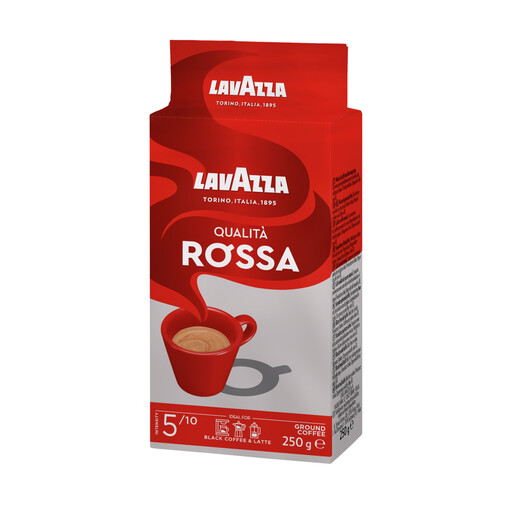
For a moka pot or compatible espresso setup, Lavazza UK labels Qualità Rossa ground coffee for those methods. This Joybuy option is labelled 250 g; check the pack if its container type matters to you.
 No image available
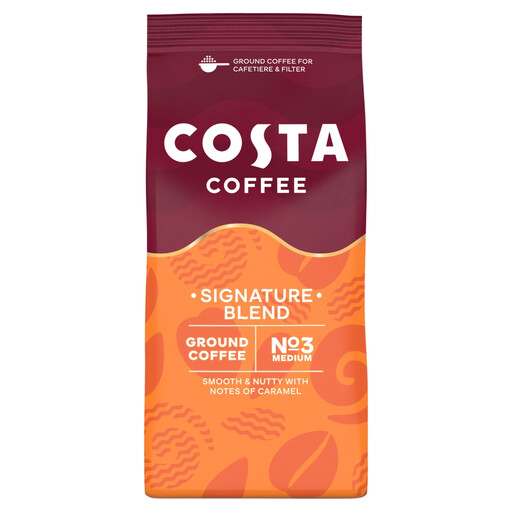
This ground coffee is labelled for cafetière and filter preparation, making those methods the starting point for an elevenses choice. The title specifies No. 3 Medium and 200 g; check the pack for its container format.
 No image available
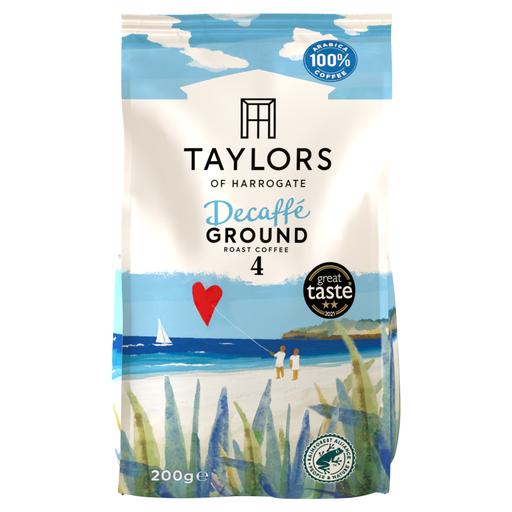
This is a decaf-labelled ground-coffee option for an elevenses break. The title specifies 200 g; check the pack's brewing guidance against your equipment and confirm its container type if that affects your choice.
 No image available
If you are considering this named roast for elevenses, check the exact preparation methods on the pack before buying. Its title identifies ground coffee in a 200 g quantity; it does not establish that the coffee suits a particular brewer or comes in a jar.
No. Ground roasted coffee needs a suitable brewing method; a can, tin or jar-like container does not make the grounds soluble. Check the product instructions before buying for a place where only a kettle is available.
Choose one explicitly labelled for cafetière use. Tesco Groceries lists Tesco Finest Café Blend as suitable for cafetières, while Rombouts describes Cachet d'Or as medium-ground for filter and cafetière use. Follow the product and brewer instructions when preparing it.
Follow the instructions on the exact pack. Lavazza advises cool, dry storage and resealing for its ground coffee, while the cited Tesco Finest product says to store it in a cool, dry place. Instructions for a can may differ, so do not assume one storage method applies to every product.
Do not use a roast name or intensity number to identify a decaf coffee. If decaf is what you want for elevenses, choose a product explicitly labelled decaf and check that it suits your brewer.
Yes, consider caffeine from other drinks and supplements alongside coffee. Food Standards Scotland and the Food Standards Agency's September 2024 guidance discusses caffeine intake across sources; the amount in a prepared cup is not established by the weight of the ground-coffee pack.