Hotels with cafetières or filter brewers
Choose coffee labelled for the supplied device, then set out a consistent measure and clear brewing instructions for guests.


Choose the brewing equipment before the blend: loose ground coffee needs a compatible cafetière, filter brewer or moka pot in the room. For cafetières and filters, look for a pack that explicitly names those methods; where rooms have different brewers, check that the chosen coffee lists each one. A kettle and cup alone are not the preparation setup described for these ground coffees, so supply a brewer or choose another coffee format.
The right ground coffee depends on the brewer supplied and the choices the hotel wants to put on its hot-drink tray.
Choose coffee labelled for the supplied device, then set out a consistent measure and clear brewing instructions for guests.
Check each room type rather than assuming one grind suits every device. A coffee listing several preparation methods may simplify selection if those methods match the equipment.
Roast profiles and a clearly labelled decaffeinated option can give guests a choice, provided every option also works with its intended brewer.
Start with the device in each room, then narrow the coffees by preparation instructions, guest choice and how opened packs will be handled.
| Priority | What to check | Your needs |
|---|---|---|
| Brewing method | Match the pack’s stated method to the actual cafetière, filter brewer or moka pot. Lavazza UK says its ground blends are prepared to suit particular brewing methods. | I need coffee guests can prepare with the device supplied in their room, not just a roast name that sounds appealing. |
| Grind and measure | Look for a stated grind and product-specific brewing directions. Rombouts describes Cachet d'Or as medium ground for filter and cafetière use and recommends starting at 60 g per litre for that coffee. | If rooms use the same brewer, a repeatable measure and simple instructions would help keep preparation consistent. |
| Flavour choice | Read the producer’s roast and tasting notes alongside its method guidance. Treat intensity numbers as cues within a brand’s range, not as a shared scale across brands. | I want guests to recognise the difference between the profiles offered without assuming a higher intensity number means a better coffee. |
| Decaffeinated choice | Check that a clearly labelled decaffeinated ground coffee is available for the intended brewer. illy UK lists a decaffeinated ground espresso option; its preparation method still needs checking for the room. | A decaffeinated option matters if the tray is meant to give guests a caffeine choice. |
| Opened-pack storage | Follow the exact pack instructions and plan replenishment. Lavazza UK advises keeping its ground coffee cool and dry and resealing opened packs carefully. | I would rather replenish rooms from appropriately stored coffee than leave an opened bulk pack between stays. |
A moka-specific pack does not establish cafetière suitability, and loose grounds alone do not provide a filtered cup.
Check the device in each room and buy coffee whose stated preparation methods include it. Supply a measure and instructions where guests will brew their own cup.
A setup may also require a brewer, filters where applicable and cleaning between guests.
illy’s CLASSICO moka coffee is marked 5/9, while Lavazza’s Espresso Italiano Classico is marked 5/10. Those are the producers’ own scales, not one common measure.
Use each scale within its producer’s range, then consider the stated tasting notes and try the exact coffee with the room’s brewer.
Storage directions differ by product: Lavazza UK advises careful resealing in a cool, dry place, while illy’s CLASSICO moka instructions also address light and heat.
Keep the original pack instructions available to housekeeping and plan how opened packs will be stored and replaced.
These brand ranges provide preparation or flavour information worth checking against a particular room setup; a brand name alone does not establish compatibility.
Lavazza UK lists ground coffees for different methods. Its Espresso Italiano Classico product names moka, filter and French press preparation.
illy UK separates ground-coffee options by preparation type and lists CLASSICO, INTENSO and decaffeinated variants.
Rombouts supplies ground coffee and has a separate professional offer for hospitality businesses.
Tesco Groceries lists several origin-led Finest ground coffees in 227 g packs, including Colombian Supremo and Peruvian varieties.
Tesco Groceries has listed Taylors ground coffees with distinct roast names, including Rich Italian Roast and Lazy Sunday Roast.
These options cover cafetière and filter coffees, blends listing several brewing methods, and a one-cup filter format. Match each product’s stated preparation method to the intended room setup.
 No image available
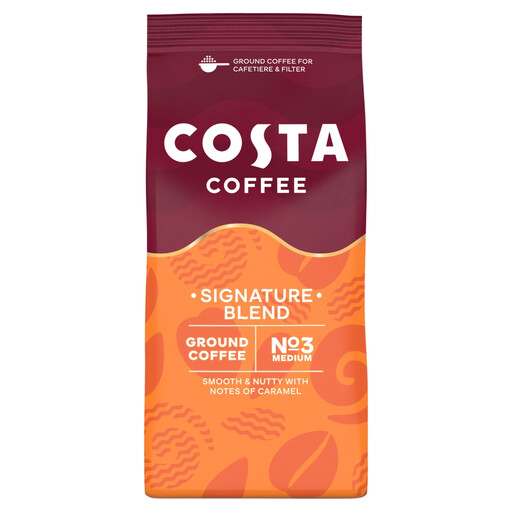
For rooms with a cafetière or filter brewer: the product description names both methods and specifies No. 3 medium coarseness. It describes a smooth, nutty profile. Set a consistent measure for room instructions and check the pack’s directions for storage after opening.
 No image available
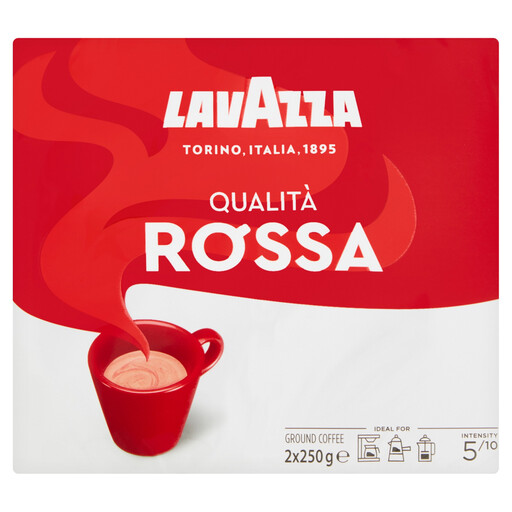
For a property using more than one brewer, the product description lists moka, filter and French press preparation. It describes an Arabica-and-Robusta blend, medium roast, intensity 5, and chocolate and dried-fruit notes. Check the pack instructions and set a measure for each brewing setup.
 No image available
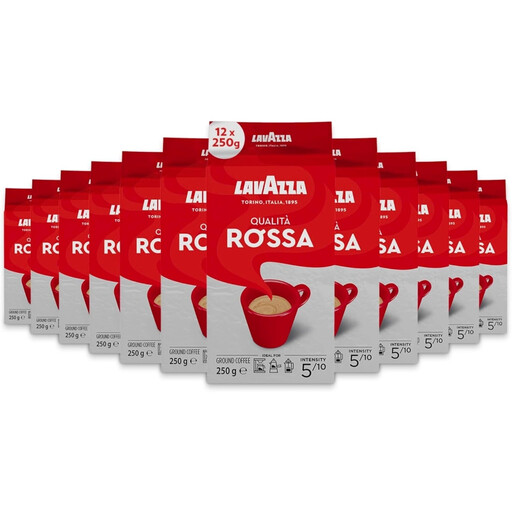
The case format is worth considering when planning replenishment for rooms using the listed moka, filter or French press methods. The description specifies 12 packs of 250 g, a medium roast and an Arabica-and-Robusta blend. Check storage space and the pack instructions; confirm compatibility separately before using it with a particular bean-to-cup machine.
 No image available
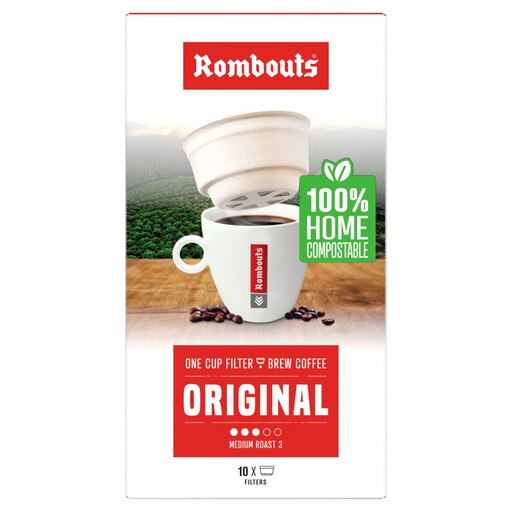
This is a one-cup filter format containing ground coffee, rather than a loose-ground pack for a cafetière. The pack is labelled 70 g. Check its brewing directions and the number of filters in the pack before deciding how to allocate it to rooms.
 No image available
For cafetière- or filter-equipped rooms where a darker roast is wanted, the product descriptions name those methods and describe cocoa and brown-sugar notes. The 200 g coffee is described as 100% Arabica with roast level 5. Check the pack instructions for a suitable measure and storage after opening.
The preparation directions for the ground coffees discussed here name brewers such as cafetières, filters and moka pots, not a kettle and cup alone. Supply a compatible brewer with instructions, or select another coffee format for kettle-only rooms.
Start with each producer’s roast and tasting notes, then try the exact coffee in the intended room equipment. Intensity figures such as illy’s 5/9 for CLASSICO moka and Lavazza’s 5/10 for Espresso Italiano Classico belong to different brand scales, so do not compare the numbers directly.
A clearly labelled decaffeinated option gives guests another caffeine choice if that fits the hotel’s service plan. Check that the exact product is intended for the brewer supplied; illy UK, for example, lists decaffeinated ground espresso in its range.
Follow the chosen pack’s instructions rather than using one rule for every coffee. Lavazza UK advises cool, dry storage and careful resealing, while illy’s CLASSICO moka instructions also address exposure to light and heat. Plan how housekeeping will store and replenish opened packs.
Yes. Keep the exact pack information available for ingredients, allergens, storage and best-before checks. illy lists ground roasted coffee as the ingredient of its CLASSICO moka product and marks allergens as not applicable for that product; do not extend those details to another coffee or to accompaniments served with it.