People with diabetes reviewing their everyday coffee
Diabetes UK includes unsweetened coffee among suitable drinks. If reducing added sugar matters to you, consider the sugar or syrup you put in the cup separately from the ground-coffee blend.


Diabetes UK includes unsweetened coffee among drinks suitable for people living with diabetes; its guidance does not call for a special ground-coffee blend. Choose a coffee that suits your brewer and taste, consider regular, half-caff or decaf according to your caffeine needs, and assess sugar, syrups and other additions as part of the finished drink.
The useful distinction is between what is in the ground coffee, what you add to the cup and how much caffeine you want.
Diabetes UK includes unsweetened coffee among suitable drinks. If reducing added sugar matters to you, consider the sugar or syrup you put in the cup separately from the ground-coffee blend.
Half-caff and decaf give you different ways to reduce caffeine without selecting a roast for a presumed diabetes benefit. The NHS notes that caffeine sensitivity varies between people.
Check that the particular ground coffee is intended for your brewer. Lavazza describes grinds calibrated for different methods, while Rombouts identifies its decaf ground coffee as medium-ground for filter and cafetière use.
Start with the finished drink, then choose a caffeine route and check the grind against your brewer.
| Priority | What to check | Your needs |
|---|---|---|
| Added sugar | Read the ground coffee’s ingredients and any nutrition declaration on its stated basis. Assess sugar, syrups and sweetened additions in the prepared drink separately. | I want to make coffee without routinely adding sugar or syrup. Diabetes UK includes unsweetened coffee among suitable drinks for people living with diabetes; NHS guidance also advises limiting added sugars. |
| Caffeine | Decide between regular, half-caff and decaf. Check the exact product’s caffeine declaration if you need a numerical figure: Sainsbury’s describes its Half Caff as 50% coffee and 50% decaffeinated coffee, while illy states caffeine content not higher than 0.1% for its decaffeinated ground espresso coffee. | I may want less caffeine but still want ground coffee. Half-caff remains a blend containing regular coffee; decaf is a different choice when reducing caffeine further matters. The NHS notes that caffeine sensitivity varies. |
| Brewing method | Look for stated cafetière, filter, moka or espresso suitability rather than assuming every ground coffee has the same grind. Check the pack’s preparation and storage instructions. | My coffee needs to work with the brewer I use. I can choose roast and flavour for taste without treating either as a diabetes-management feature. |
Roast descriptions and flavour notes describe the coffee, not what happens when sugar or syrup is added to the drink. Diabetes UK’s drink guidance focuses on unsweetened coffee.
Choose roast and origin for taste and brewer suitability; consider sweet additions separately.
Product declarations differ: illy states caffeine content not higher than 0.1% for its decaffeinated ground espresso coffee, while Rombouts describes its decaf ground coffee without giving a numerical caffeine figure.
If a precise caffeine limit matters, check the exact product’s declaration and include other caffeine sources in your assessment.
Sainsbury’s describes its Half Caff ground coffee as a 50:50 mixture of coffee and decaffeinated coffee. It is not the same composition as a fully decaffeinated product.
Choose half-caff when a blend containing some regular coffee meets your needs; check decaf product information if you want to reduce caffeine further.
Producers identify different ground coffees for different preparation methods. A caffeine label alone will not tell you whether the grind is intended for your equipment.
Confirm the stated brewing methods before buying, then follow the particular pack’s storage instructions after opening.
These examples show the kinds of product details worth checking; a brand name alone does not establish caffeine content or the composition of your finished drink.
Lavazza describes ground coffees prepared for moka, espresso and filter methods, with the grind calibrated to the intended method.
Illy has a decaffeinated ground coffee intended for espresso preparation.
Taylors describes its ground-coffee range as pre-ground for cafetière and filter use.
Rombouts identifies its decaffeinated ground coffee as medium-ground for filter and cafetière use.
Tesco’s Finest coffee range lists several roast-and-ground varieties, including Peruvian, Colombian Supremo and Sumatra Mandheling.
The Half Caff ground coffee is a route for shoppers who want a blend of regular and decaffeinated coffee.
These ground-coffee options include regular blends for different home-brewing methods and one decaf-labelled choice. Compare the brewer information and what you plan to add to each cup.
 No image available
An option for cafetière or filter users preparing their own cup. The product description lists 100% Arabica coffee and names both brewing methods; check the caffeine information if you need a specific amount.
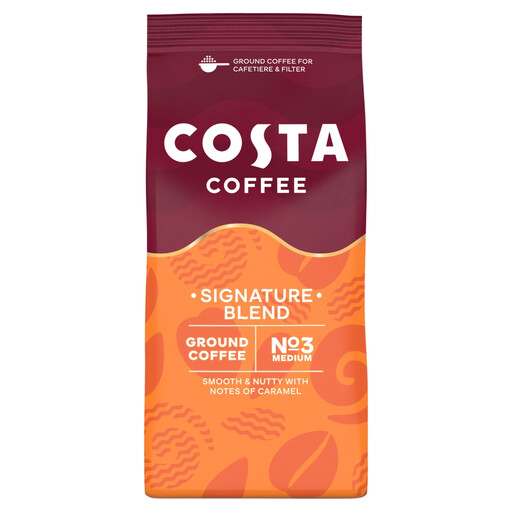 No image available
For cafetière or filter brewing, with a medium grind stated in the product information. The listing describes roasted and ground coffee; assess any sugar added when preparing the drink. It advises refrigeration after opening and use within two weeks.
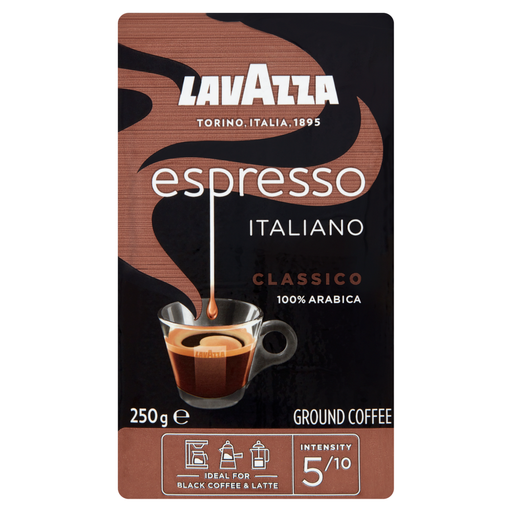 No image available
A ground-coffee choice whose product description names moka, filter and French-press preparation. It identifies coffee as the ingredient and describes a medium roast; check product caffeine information if you need a numerical amount.
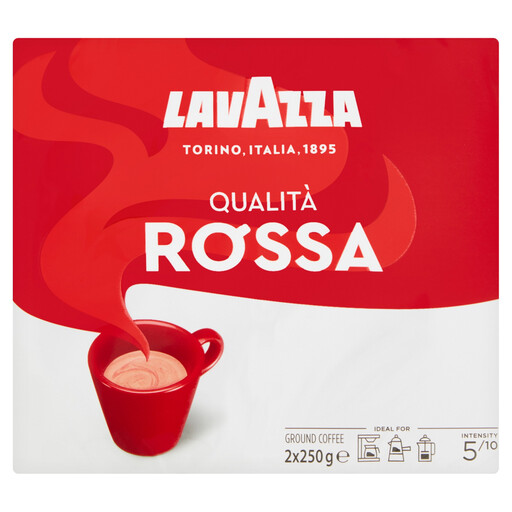 No image available
The product description names moka, filter and French-press preparation. Its nutrition declaration reports less than 0.5 g sugars per 100 g of ground product, not per prepared cup; sugar and other additions to the drink are separate.
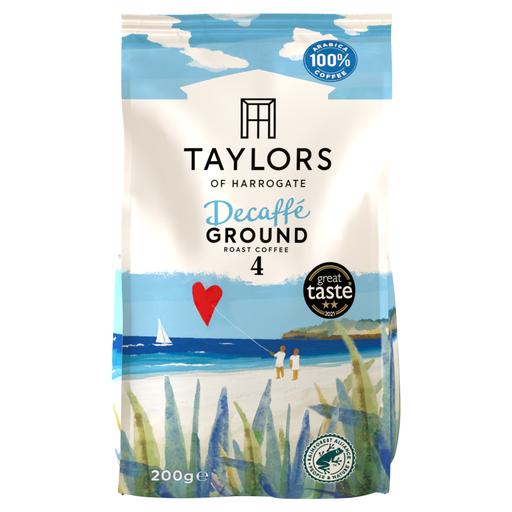 No image available
A decaf-labelled ground-coffee choice for someone considering less caffeine. The product description lists 100% Arabica coffee; confirm the stated brewing suitability and residual caffeine information if either is important to your choice.
Diabetes UK includes unsweetened coffee among suitable drinks for people living with diabetes; its guidance does not require a special blend. Choose a coffee you can prepare to suit your needs, and seek advice from your diabetes team or dietitian for individual dietary questions.
No single caffeine choice follows from the blend label alone. Half-caff contains a mixture of regular and decaffeinated coffee in the Sainsbury’s example, while decaf products are a different route for reducing caffeine; check the exact product and what you add to the finished drink.
Consider additions as part of the finished drink, not as properties of the ground coffee. Diabetes UK advises cutting back on sugar in tea and coffee; if you track the carbohydrate in your meals and drinks, account for the milk or other additions you actually use.
The NHS advises no more than 200 mg of caffeine a day during pregnancy. Coffee counts towards that total alongside other sources such as tea, cola and chocolate; check the relevant product or provider information when assessing your intake.
Follow the instructions for the particular pack. For example, the Taylors of Harrogate After Dark product information specifies cool, dry storage, while the Costa Coffee Mocha Italia Signature Blend listing advises refrigeration after opening and use within two weeks.