Occasional second-home visitors
If weeks may pass between stays, consider how much coffee you will use after opening and follow the chosen pack’s storage directions.


Start with the brewer kept at the second home: choose ground coffee labelled for that method, then size the pack around how often it will be opened and used. For shared stays, choose the main blend around known flavour preferences rather than assuming a stronger roast will suit everyone; keep a separately labelled decaffeinated option if guests want one.
If weeks may pass between stays, consider how much coffee you will use after opening and follow the chosen pack’s storage directions.
Check the preparation method on the coffee pack against the equipment at the property. A roast name alone does not establish brewer suitability.
Keep the regular blend separate from any clearly labelled reduced-caffeine or decaffeinated option, so guests can choose for themselves.
Identify the brewer first, then consider how quickly an opened pack will be used and which flavour and caffeine choices the household wants.
| Priority | What to check | Your needs |
|---|---|---|
| Brewer suitability | Look for the preparation method on the pack and follow its brewing directions. Lavazza UK says its ground coffees are calibrated for intended brewing methods; Taylors of Harrogate describes its ground range as pre-ground for cafetière and filter. | I need coffee that works with the brewer already at the property, whether that is a cafetière, filter brewer or moka pot. |
| Pack size and storage | Compare pack size with likely use after opening. Check the chosen pack’s resealing, storage and best-before instructions rather than applying another product’s directions. | For visits spaced weeks apart, I would rather open an amount we are likely to use than leave a large bag open between stays. |
| Blend and roast | Read the blend description and tasting notes, then check the preparation method separately. Roast or intensity labels do not establish a universal flavour preference or brewer match. | Our main coffee should reflect what regular visitors enjoy; a distinctly darker or stronger option makes sense when someone asks for it. |
| Caffeine choice | Check whether the label says regular, half-caffeinated or decaffeinated. Sainsbury’s describes its Half Caff as 50% coffee and 50% decaffeinated coffee, so it is not decaf. | If guests want less caffeine or decaf, I need an alternative with a clear label rather than assuming the everyday blend meets that preference. |
Coffee intended for espresso, moka, cafetière or filter preparation may have a different grind; a familiar blend name does not settle which method a particular pack suits.
Check the brewer at the property, then read the preparation information on the exact pack.
Post-opening guidance is product-specific. For example, Waitrose & Partners lists Löfbergs ground coffee with advice to enjoy it within two weeks of opening.
Choose a pack size that fits expected use, note when you open it and follow its own storage instructions.
Sainsbury’s Half Caff contains both regular and decaffeinated coffee, so its name does not mean caffeine-free.
If a guest requests decaf, choose a product explicitly labelled decaffeinated and let them check the pack.
These ranges illustrate different pack formats and preparation labels; check the individual product rather than assuming every coffee from one brand suits the same brewer.
Lavazza UK lists ground coffees for different brewing methods. Its Qualità Rossa page identifies espresso and moka as intended preparations.
Illy’s Classico espresso ground coffee is a 250g, 100% Arabica product described for espresso preparation.
Taylors describes its ground-coffee range as pre-ground for cafetière and filter preparation, with blends including Rich Italian and After Dark.
Rombouts describes its ground coffee as vacuum-packed and lists a decaf option in the range.
Tesco Groceries lists several Tesco Finest 227g ground coffees, including Peruvian and Colombian Supremo options.
The range includes a 227g Half Caff ground coffee made with 50% regular coffee and 50% decaffeinated coffee, according to Sainsbury’s.
These options cover ground coffee for cafetière or filter use, a decaf pack, a one-cup filter format and a moka-oriented blend. Match the format to the equipment and routine at your second home.
 No image available
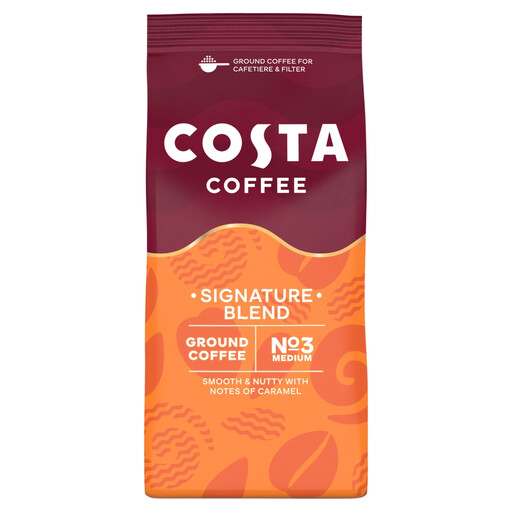
For a second home with a cafetière or filter brewer, this 200g ground coffee is labelled for both methods, with a No. 3 medium grind. Check the property’s brewer before choosing it.
 No image available
This labelled decaf is a 200g ground-coffee option for guests who request decaffeinated coffee. Check the preparation directions on the specific pack against the brewer at the property.
 No image available
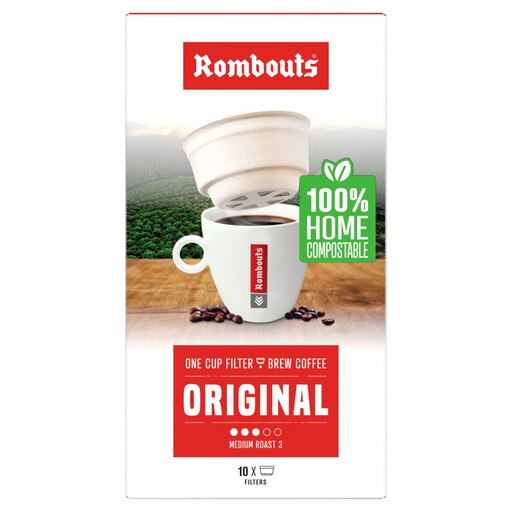
The 70g one-cup filter format is an alternative when the property’s brewing routine suits individual filters. It is not a bag of loose ground coffee for a cafetière or filter machine.
No image available
This 200g ground coffee offers an After Dark blend for households that know they want that flavour choice. Taylors describes its ground range as pre-ground for cafetière and filter; check the pack’s directions before use.
 No image available
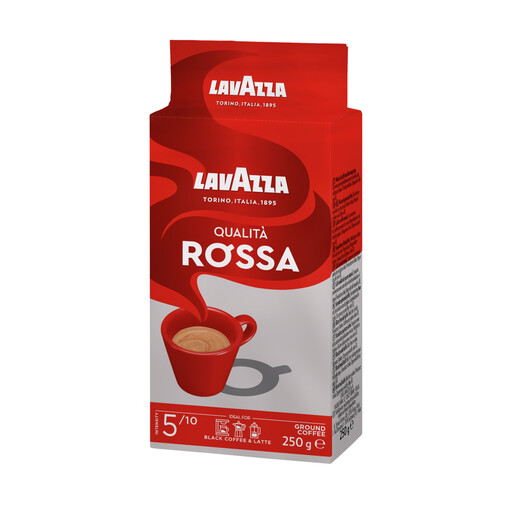
The 250g pack is a smaller Qualità Rossa option for a moka-pot routine; Lavazza UK identifies espresso and moka as intended preparations. If the second home has only a filter brewer, confirm suitability on the exact pack before buying.
Choose a pack size around likely use after opening, rather than automatically buying the largest bag. For irregular stays, a 200–250g pack is one option; follow that product’s storage instructions and best-before date.
Do not assume it will. Taylors of Harrogate describes its ground range as pre-ground for cafetière and filter, while Lavazza UK says its coffees are ground for intended methods and identifies espresso and moka for Qualità Rossa. Check the exact pack against your brewer.
Choose the main blend around the preferences of people who regularly use the property, not an assumption that everyone wants a dark roast. Check flavour descriptions separately from brewer suitability, and add another style if visitors ask for it.
No. Sainsbury’s lists its Half Caff as 50% regular coffee and 50% decaffeinated coffee, so it still contains caffeine. For a decaf choice, look for a product explicitly labelled decaffeinated.