Who each format suits
The useful distinction is where you will make the coffee, not whether the pack is called a jar, bag or tin.
Travellers with only a cup and hot water
A pre-portioned filter lets you brew ground coffee without carrying a separate brewer. Rombouts instructs users to place its One Cup Filter on a stable cup and add hot, not boiling, water; loose grounds do not offer the same cup-only method.
Travellers brewing at their destination
If a cafetière, filter brewer or another suitable device will be available later, loose ground coffee is an option to carry on the train. Check the preparation methods stated for the particular coffee before choosing a pack.
Shoppers seeking less caffeine
Look for an explicit decaf or half-caff label rather than a lighter roast or lower strength number. Sainsbury’s describes its Half Caff ground coffee as a blend of 50% coffee and 50% decaffeinated coffee; it still needs brewing equipment.
What to check before buying
Decide where you will brew first, then check the method, portion format and caffeine label on the coffee you plan to take.
| Priority |
What to check |
Your needs |
| Journey brewing |
Check whether the coffee has an integrated filter. For Rombouts One Cup Filters, Rombouts specifies a stable cup and hot, not boiling, water; confirm that you can obtain water where you plan to brew. |
I want to make one drink during the journey without carrying a cafetière or filter holder. |
| Brewer compatibility |
Match loose coffee to the brewer you will use. Lavazza lists moka, filter and French press methods for Espresso Italiano Classico; Taylors describes its ground-coffee range as pre-ground for cafetière and filter. |
There will be brewing equipment at my destination, so I can carry grounds and make the drink later. |
| Caffeine label |
Check for an explicit decaffeinated or reduced-caffeine description on the exact product. Roast names and strength ratings are not substitutes for a caffeine declaration. |
I want to choose by caffeine description without giving up ground coffee. |
| Portions and packing |
Compare individually portioned filters with the number of drinks you intend to make. For loose coffee, check the pack’s storage instructions and plan how you will contain grounds and used brewing materials. |
For a single journey drink, I would rather handle one portion; for several drinks later, a conventional pack may suit my plans. |
Relevant brand ranges
These examples illustrate different preparation formats and brewer requirements; a brand name alone does not establish that every product in its range suits train-seat brewing.
Rombouts
Its Original One Cup Filters are a ground-coffee format for brewing over a cup.
- Rombouts says to place the filter on a stable cup and add hot, not boiling, water.
- You still need water and a suitable place for the used filter; this is not an instant-coffee jar.
Lavazza
Espresso Italiano Classico is a 250 g loose ground coffee for brewing after the journey.
- Lavazza lists moka, filter and French press preparations for this product.
- It requires a compatible brewing setup rather than just a cup of hot water.
Illy
Illy’s UK ground-coffee range includes 250 g products labelled for different preparations, including filter and espresso, as well as a decaffeinated option.
- The range offers a way to choose by the named coffee and preparation format.
- Check the exact variant and arrange the brewer or filter it requires.
Taylors of Harrogate
Taylors describes its ground-coffee range as pre-ground for cafetière and filter preparation.
- The range includes roast choices and a decaffeinated product.
- A cafetière or filter setup is still needed to brew loose coffee.
Tesco Finest
Tesco lists its Finest Café Blend as a 227 g ground coffee suitable for several brewing methods.
- Tesco names cafetières, filter machines, moka pots and percolators for this blend.
- None of those methods makes the loose grounds a cup-only journey format.
Sainsbury’s Taste the Difference
Half Caff is a 227 g ground-coffee option with a stated blend of coffee and decaffeinated coffee.
- Sainsbury’s specifies 50% coffee and 50% decaffeinated coffee in the product ingredients.
- Its cafetière preparation still requires the brewer; half-caff does not mean caffeine-free.
Joybuy coffee options
These options cover two ways to take ground coffee on a journey: individual drip filters for brewing over a cup, and loose coffee to brew with suitable equipment at your destination. The decaf option belongs to the equipment-dependent group.
 No image available
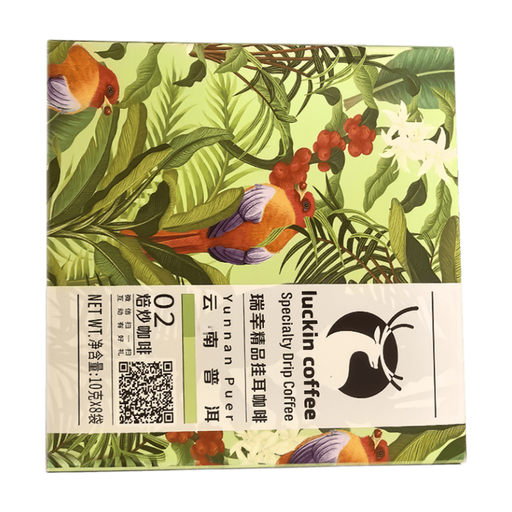
Ri Xin Premium Drip Coffee, Yunnan Pu’er 2.0 Series, 10 g × 8 bags
The drip-coffee bag format is an option to consider when you plan to brew over a cup rather than carry a separate brewer. You will still need access to hot water; if caffeine reduction matters, check the product’s caffeine description before choosing it.
Joybuy
 No image available
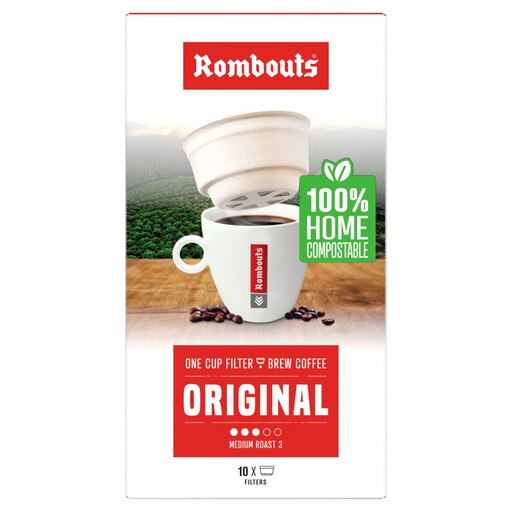
Rombouts Original One Cup Filter Coffee, 70 g
For brewing during the journey, Rombouts instructs users to set an Original One Cup Filter on a stable cup and add hot, not boiling, water. Plan where you can obtain the water and put the used filter.
Joybuy
 No image available
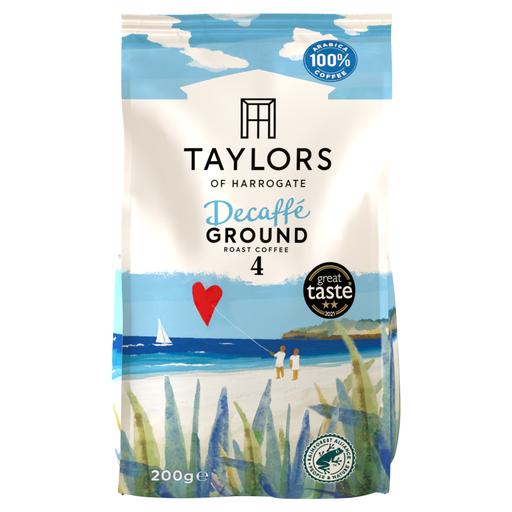
Taylors of Harrogate Decaf Ground Coffee, 200 g
This explicitly labelled decaf ground coffee is an option when you want to brew at your destination. Taylors describes its ground-coffee range as pre-ground for cafetière and filter use; check the instructions on this pack against the equipment available to you.
Joybuy
 No image available
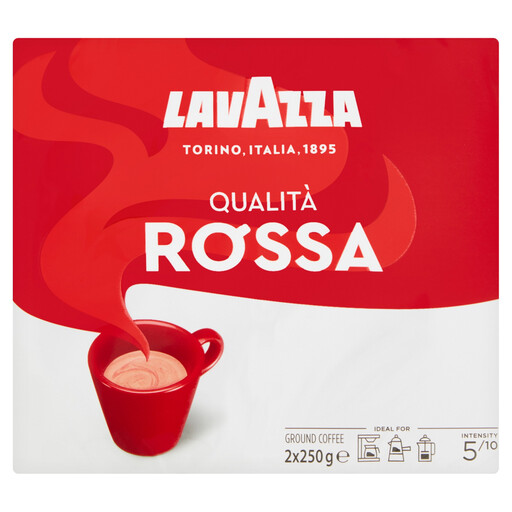
Lavazza Qualità Rossa Ground Coffee, 500 g
This is loose ground coffee to consider when you will have brewing equipment at your destination, rather than a cup-only option for the train. Check the pack’s preparation methods against your brewer; the 500 g pack is worth comparing with the number of drinks you intend to make.
Joybuy
 No image available
Taylors of Harrogate After Dark Ground Coffee, 200 g
Take this loose ground coffee if you plan to brew after the journey and can use the equipment specified on its pack. It is not a self-filtering format for making a drink with only a cup and hot water.
Joybuy
Questions about journey brewing
Can I make loose ground coffee on a train with only a cup and hot water?
Not by the preparation methods stated for conventional loose ground coffee: you also need a way to separate the grounds, such as a cafetière or filter setup. If a cup and hot water are all you will have, choose a ground-coffee product with an integrated one-cup filter and check that hot water will be available.
What do I need for a Rombouts One Cup Filter?
You need a stable cup and hot, not boiling, water. Rombouts instructs users to shake the filter gently, place it on the cup and add water to its fill line. Check your train service or station facilities rather than assuming hot water will be provided.
Does a lower coffee strength number mean less caffeine?
Do not use a strength rating as a caffeine declaration. If caffeine reduction is your buying criterion, look for an explicitly labelled decaf or reduced-caffeine product; Sainsbury’s Half Caff, for example, states that its ingredients are 50% coffee and 50% decaffeinated coffee.
How should I pack ground coffee for a later journey?
Follow the storage directions on the exact pack and contain loose coffee so it cannot spill in your luggage. Tesco advises keeping its Finest Café Blend in a cool, dry place; check any after-opening instructions on the product you choose.


