Volunteer-run refreshment stalls
At a temporary serving point with little preparation space, volunteers need to decide whether they can brew coffee in batches or will prepare each cup separately.


For a Bonfire Night serving point with kettles and mugs but no batch-brewing equipment, individually wrapped coffee bags offer a way to prepare cups one at a time. Choose loose ground coffee when you have compatible brewing equipment and someone to prepare it. Before ordering a “box of 240”, confirm whether 240 refers to bags, cups or a weight: pack weight alone does not establish a serving count.
The useful format depends on how drinks will be prepared and served, not just how many guests are expected.
At a temporary serving point with little preparation space, volunteers need to decide whether they can brew coffee in batches or will prepare each cup separately.
For a home, club or organised gathering with a cafetière, filter machine, moka pot or espresso machine, the main check is whether the chosen ground coffee suits that equipment.
A serving target calls for a count of individual bags or a yield calculated from the intended recipe. A ground-coffee pack labelled in grams does not, by itself, specify a number of cups.
Choose when: Guests will be served individual cups using kettles and mugs rather than batch-brewing equipment.
Allow for: Each cup needs its own preparation, and a stated bag count must be checked against the planned number of servings.
Choose when: Someone can measure the coffee and prepare it with suitable equipment for the gathering.
Allow for: Packs are labelled by weight; the number of cups depends on the recipe and brewing setup.
Settle the unit behind “240” first, then check the serving method, equipment and product-specific preparation instructions.
| Priority | What to check | Your needs |
|---|---|---|
| Order quantity | Confirm whether 240 means bags, planned cups or grams. Check the number of individual portions inside each pack; for loose coffee, calculate cups using the intended recipe. | I need enough coffee for the expected guests without mistaking a pack weight for a serving count. |
| Serving setup | Check whether the stall has kettles and mugs, or equipment and staff to brew and serve coffee in batches. Taylors Out of Home describes individually wrapped bags prepared with a kettle. | With limited counter space and volunteers, preparing cups individually may be more workable than measuring loose grounds. |
| Brewing method | Match the grind and instructions to the equipment. Lavazza says its ground blends are calibrated for moka, espresso or filter preparation; follow the directions for the exact product and machine. | If I already have a cafetière or filter setup, I want ground coffee intended for the way I will brew it. |
| Coffee choice | Check the product description and preparation directions for the flavour and format you want. If offering decaf, confirm its pack format and brewing method separately. | Guests may want a decaf option, but I still need to know how that particular coffee will be prepared at the stall. |
| Event service | For a community or charity event, check the applicable local-authority requirements and keep product information accessible. GOV.UK guidance for England, Northern Ireland and Wales says some food-service activities may require registration. | If I am supplying drinks at a public event, I need to settle the serving arrangements before the stall opens. |
Individually wrapped coffee bags have a count, while loose ground-coffee packs state a weight. Neither a weight nor an unexplained “240” establishes how many drinks an order will make.
Confirm the unit and the number of guests. For loose coffee, work out the required quantity from the recipe and equipment you intend to use.
Loose grounds need a compatible brewing and serving process; a kettle alone does not provide one.
Check the equipment at the venue before choosing. If volunteers will prepare cups individually, consider a coffee-bag or one-cup filter format and follow its own instructions.
A loose-coffee setup may also call for filters, serving jugs and time to clean the equipment.
Ingredients and preparation information can change. Tesco advises customers to check the current food label.
Read the pack and current listing before ordering, particularly when checking ingredients, brewing directions and the exact pack size.
For community or charity events in England, Northern Ireland and Wales, GOV.UK says supplying food may make an organiser a food business and may require local-authority registration, depending on the activity.
Check with the local authority if the position is unclear, and retain packaging so product information can be consulted during service. Check the requirements that apply in Scotland separately.
These ranges illustrate different pack and brewing formats; a brand reference does not establish that a particular product contains 240 servings.
Taylors Out of Home lists individually wrapped roast-and-ground coffee bags for single-cup preparation.
Lavazza’s ground-coffee range includes products intended for different brewing methods.
illy UK lists ground-coffee variants for espresso preparation, including decaffeinated coffee.
Tesco lists 227 g Finest ground-coffee products with pack-specific preparation information.
These options cover individual-cup coffee bags and filters, alongside weight-labelled ground coffee for a brewing setup. Check the portion count or recipe yield before using any of them to plan 240 drinks.
 No image available
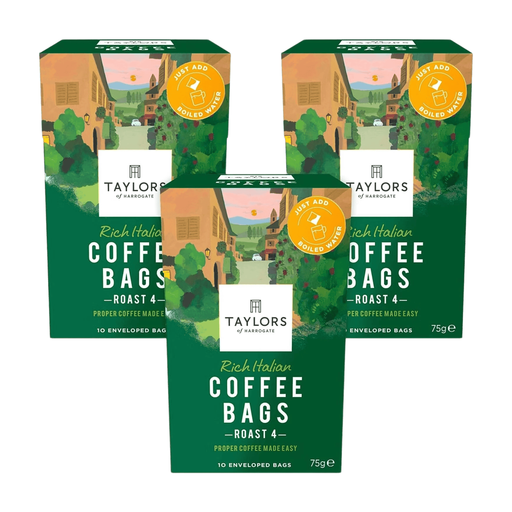
Individual coffee bags are an option for preparing cups separately at a kettle-based serving point. The bundle contains three 75 g packs; check the number of bags inside and the pack’s brewing instructions before planning servings.
 No image available
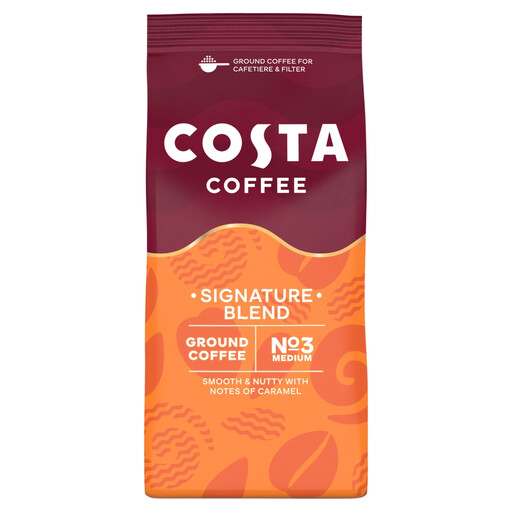
This medium-grind coffee is listed for cafetières and filter machines, making equipment fit the key check for an event. The 200 g pack states a weight, not a number of cups; calculate the quantity needed from your brewing recipe.
 No image available
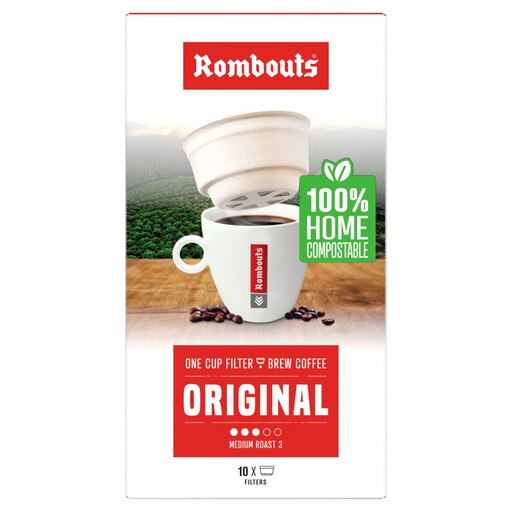
The one-cup filter format offers individual preparation without measuring loose grounds for each drink. Check how many filters the 70 g pack contains and follow its preparation directions before calculating an event order.
 No image available
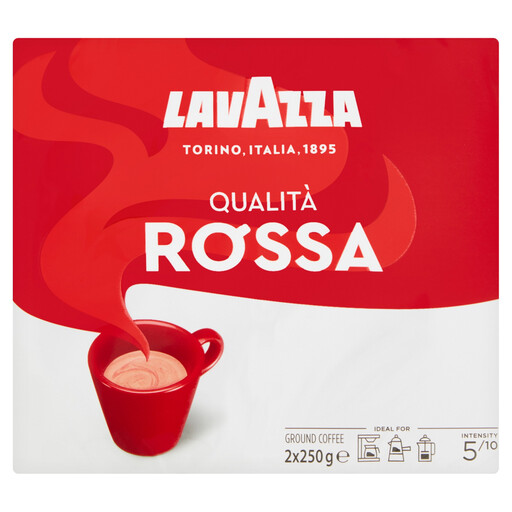
This loose ground coffee is listed for moka, filter and French-press preparation where suitable equipment is available. Its 500 g weight does not establish a serving count; use the intended recipe to plan the order.
 No image available
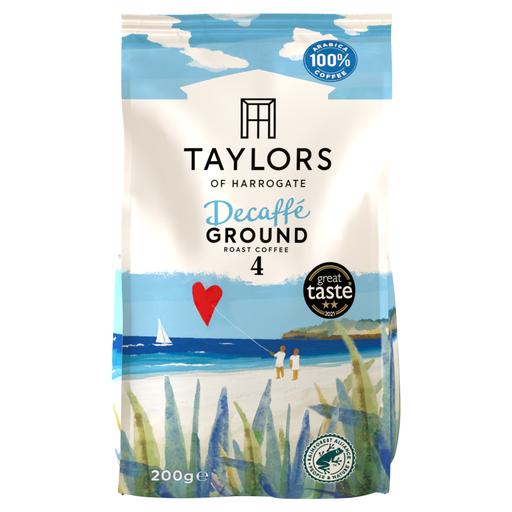
This 200 g decaf ground coffee is a separate option when the gathering needs decaf. Check its grind and preparation directions against the equipment at the venue, then calculate servings using the chosen recipe.
Not necessarily: confirm what the number counts before ordering. Loose ground coffee is commonly labelled by weight, while individually wrapped bags can be counted; neither an unexplained “240” nor a weight alone confirms the number of prepared cups.
Coffee bags suit individual-cup service when kettles and mugs are available but batch-brewing equipment is not. Follow the directions on the exact pack: Taylors Out of Home describes a two-minute brew for its business bags, while Taylors’ Flying Start consumer instructions specify four minutes.
Choose a grind intended for the brewing method you will use. Lavazza says its ground blends are calibrated for moka, espresso or filter preparation; check the chosen coffee’s directions and the equipment manufacturer’s instructions rather than assuming every ground coffee suits every machine.
Registration may be required, depending on the activity. GOV.UK guidance for community and charity events in England, Northern Ireland and Wales says supplying or selling food may make you a food business; ask the local authority about your event. That guidance does not determine the position in Scotland.
Yes, keep the packaging available so product ingredients and preparation information can be checked during service. GOV.UK guidance for community and charity events in England, Northern Ireland and Wales recommends retaining packaging for prepacked food so people with food hypersensitivities can check ingredients.