What should you check before buying?
Decide whether you need measured batches or individual portions, then match the coffee to your brewer and the choices you want to offer guests.
| Priority |
What to check |
Your needs |
| Pack format |
Check whether “240” counts coffee bags, sachets or something else. For loose coffee, check net weight; for portioned coffee, check what each unit contains and how it is prepared. UK listings from Tesco Groceries, Rombouts and Out of Eden distinguish weight-labelled ground coffee from individually packed formats. |
I need enough coffee for the people I am serving, without mistaking a pack count for a quantity of loose ground coffee. |
| Brewing method |
Match the pack’s preparation guidance to your cafetière, filter machine, moka pot, percolator or espresso machine. Do not assume that guidance for one product applies to every grind or brewer. |
My equipment needs to work with the coffee I buy, whether I brew one batch or make more as guests ask for it. |
| Flavour |
Read the specific pack’s roast and flavour description. Tesco Groceries describes its Café Blend with chocolate and nut notes; Lavazza describes Qualità Rossa as smooth. These are product descriptions, not independent taste tests. |
For a group with different tastes, I would rather choose a stated flavour profile than assume everyone wants a dark, intense cup. |
| Decaf |
Choose a clearly labelled decaffeinated product and confirm its brewing method. Rombouts identifies its decaf as medium ground for filter and cafetière use. |
Some guests may prefer decaf after dinner, so I want to identify and serve it separately from regular coffee. |
Ground coffee options on Joybuy
These are ground-coffee packs, including a 12 × 250 g case. If you need a 240-count format, check whether the requirement is for individual portions rather than loose coffee.
 No image available
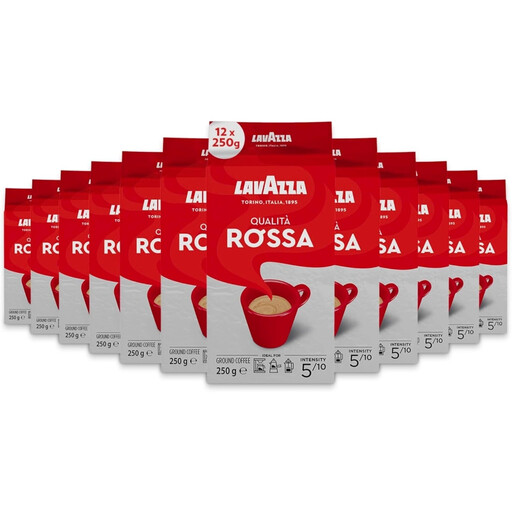
Lavazza Qualità Rossa Ground Coffee, 12 × 250 g
The case format is worth considering if you intend to measure ground coffee for several batches. It contains 12 packs of 250 g, not 240 individually identified portions; check the pack’s preparation guidance against your brewer.
View on Joybuy
 No image available
Taylors of Harrogate After Dark Ground Coffee, 200 g
This is a single 200 g ground-coffee pack for hosts considering an after-dinner option. Check its brewing instructions for your equipment and do not treat the pack weight as a count of individual portions.
View on Joybuy
 No image available
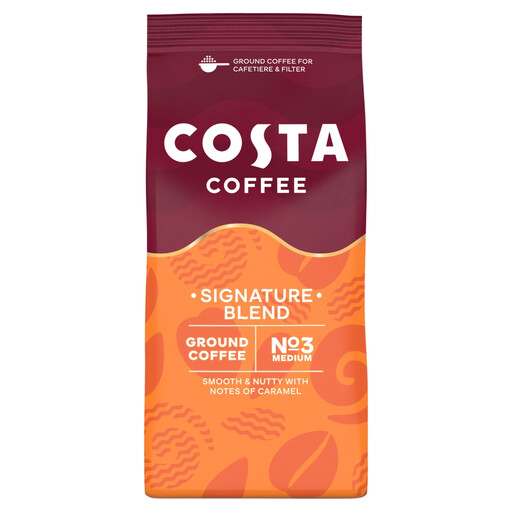
Costa Coffee Mocha Italia Signature Blend, No. 3 Medium, 200 g
The product name identifies this ground coffee for cafetière and filter preparation, making those methods the starting point for a dinner brew. It is a 200 g pack, not a 240-count box.
View on Joybuy
 No image available
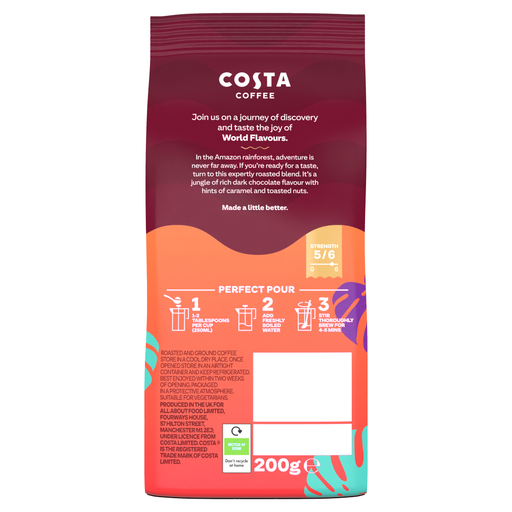
Costa Coffee Intensely Dark Amazonian Blend, No. 5, 200 g
Consider this named dark blend if guests ask for that style and you brew with a cafetière or filter machine, the methods identified in its product name. The pack contains 200 g of ground coffee; check quantity separately if you need individual portions.
View on Joybuy
 No image available
Taylors of Harrogate Decaf Ground Coffee, 200 g
This 200 g decaffeinated ground coffee offers a separately identifiable choice after dinner. Confirm that the pack’s grind and brewing guidance match your equipment before buying; its weight does not indicate 240 individual portions.
View on Joybuy
Questions about serving coffee after dinner
Is a box of 240 coffee bags the same as loose ground coffee?
Do not assume so. UK listings from Tesco Groceries, Rombouts and Out of Eden distinguish ground coffee sold by weight from individually packed coffee bags and sachets. Check exactly what the listing counts and how each unit is prepared.
How much ground coffee should I use in a cafetière?
Follow the guidance for your coffee and cafetière. Rombouts suggests starting with 60 g per litre for its medium-ground decaf; that is guidance for that product, not a measure to assume for every ground coffee.
Should I offer decaf after dinner?
A separate decaf pack is useful if guests may choose to avoid regular coffee late in the day. Check that its preparation instructions suit your brewer, and identify regular and decaf clearly when serving.
What allergen information matters when coffee is served in a UK food business?
The Food Standards Agency says UK retail and catering food businesses must provide allergen information for prepacked and non-prepacked food and drink. Check current product and supplier information, including information for any accompaniments, rather than relying on an older online description.


