
24/7 Customer Support

Free returns

Same-day & Next-day Delivery

Quality Guaranteed

Unlock Your Welcome Offers: FREE Delivery | Up to 80% OFF | Free 30-day JoyPlus trial
Download the APP
Choosing a car seat for your growing child can feel like a significant decision. As they transition from their first infant carrier, you're likely looking for a safe, reliable and long-lasting solution that offers value for money. A Group 1/2/3 ISOFIX car seat is designed to do just that, serving as a single, adaptable seat from the toddler years right through to when they no longer need one.
This guide is designed to help you navigate the key features of these multi-stage car seats. We will highlight what to look for and provide some practical recommendations to help you find a seat that fits your child, your car and your family's needs for years to come.
When you're ready to invest in a car seat that grows with your child, a few key considerations can simplify your decision. Understanding the terminology and features will help you compare models with confidence.
In the UK, car seats must meet specific EU safety standards. You will commonly see two labels:
ISOFIX is an international standard for fitting child car seats securely without using the vehicle's seat belts. It uses two rigid anchor points built into the car's chassis, along with a top tether or support leg to prevent the seat from tilting. The main benefit of a Group 1/2/3 ISOFIX car seat is the reduced risk of incorrect installation, providing a solid and stable connection between the seat and the car. Most modern cars in the UK are equipped with ISOFIX points.
The primary appeal of a combination car seat UK parents appreciate is its longevity. These seats are designed to adapt as your child grows from approximately 9 months to 12 years (or from 9-36kg). Look for features that support this, such as:
Here are our recommendations for versatile and practical multi-stage car seats. Each one offers a long-term solution for families seeking safety and convenience.
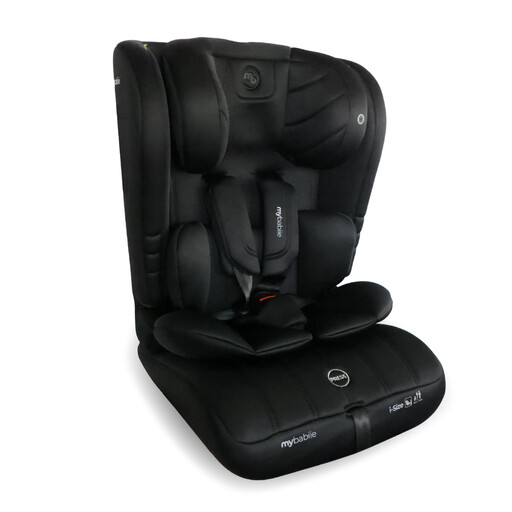
Why It Stands Out: This seat is certified to the latest R129 i-Size safety standard, offering enhanced side-impact protection. It provides a modern safety framework in a classic toddler to booster car seat design.
Pros:
Who is it for? This seat is an excellent choice for safety-conscious parents who want a product that meets the most up-to-date R129 standards and will last for the majority of their child's car seat journey.
View the My Babiie MBCS50 Car Seat on Joybuy.co.uk
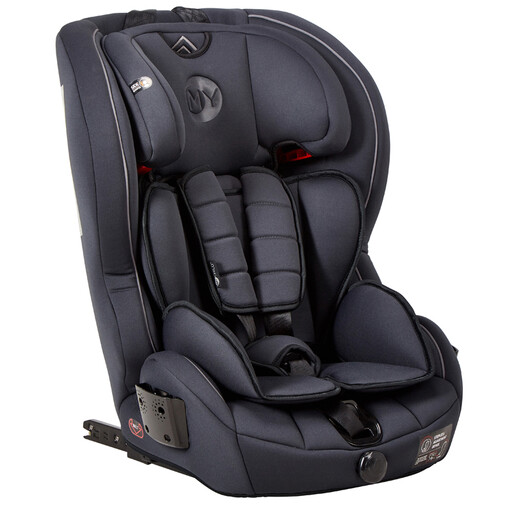
Why It Stands Out: The Mychild Stirling offers a highly practical and adjustable design, with a 10-position headrest and the added stability of a top tether for its ISOFIX installation.
Pros:
Who is it for? This is a solid, practical option for families looking for a reliable workhorse. Its high degree of adjustability and easy-to-clean features make it well-suited for everyday use over many years.
View the Mychild Stirling Car Seat on Joybuy.co.uk

Why It Stands Out: This seat combines the modern safety of R129 certification with an innovative foldable design. It collapses flat, making it exceptionally easy to store or transfer between cars.
Pros:
Who is it for? Ideal for families who need to frequently switch the car seat between vehicles, have limited storage space or travel often. It offers top-tier safety without compromising on portability and convenience.
View the My Babiie MBCS80 Foldable Car Seat on Joybuy.co.uk
While these recommendations cover a range of needs, every family is different. If you're looking for different features, colour options or other types of travel systems, there are many more choices available.
Explore our full collection of Strollers, Prams and Travel Accessories to find the right fit for your family's journeys.
1. What is a Group 1/2/3 car seat? A Group 1/2/3 car seat is a multi stage car seat designed to accommodate a child from approximately 9kg to 36kg (around 9 months to 12 years old). It starts as a Group 1 seat with a 5-point harness, then converts into a Group 2/3 high-back booster seat that uses the car's own seat belt.
2. Can I use a Group 1/2/3 car seat from birth? No. These seats are designed for children who can sit up unaided and meet the minimum weight (9kg) and/or height (usually 76cm) requirements. Newborns and younger babies require a Group 0+ infant carrier, which offers the necessary support and rear-facing position for their development.
3. How do I know if an ISOFIX car seat will fit my car? Most car manufacturers have included ISOFIX anchor points as standard since the early 2000s. You can typically find them in the gap between the seat base and backrest. Always check the car seat manufacturer's vehicle compatibility list, which is usually available on their website, to confirm that the specific seat model is approved for use in your car make and model.