
24/7 Customer Support

Free returns

Same-day & Next-day Delivery

Quality Guaranteed

Unlock Your Welcome Offers: FREE Delivery | Up to 80% OFF | Free 30-day JoyPlus trial
Download the APP
Dirty grout can make otherwise clean tiles look neglected, while the wrong tool may scratch tile surfaces, shed bristles or leave you with an uneven finish. Choosing suitable grout cleaning tools depends on whether you need to remove old grout, clean narrow gaps, refresh discoloured lines or apply new material.
Before buying, watch for three common shopping traps:
Different stages of tile maintenance require different accessories:
For removal work, look for a tungsten carbide grit edge or another clearly specified hard cutting surface. This is different from a soft nylon brush, which is intended to loosen surface dirt rather than cut through grout.
The Vitrex Grout Rake, for example, is described with a tungsten carbide grit edged blade and a nylon handle. Its design is intended for old and discoloured grout, but users should apply controlled pressure to avoid damaging tile edges. Wear gloves and protective eyewear when scraping.
For brushes, mixed stiff and soft nylon bristles can provide both agitation and flexibility. A plastic handle is easy to rinse, while an ergonomic or soft-grip design may be more comfortable during extended cleaning.
Dimensions matter when working in tight UK bathrooms, behind kitchen fittings or across large floors. A narrow head can enter a grout line more easily, while a longer handle may help with low-level or awkward areas.
Also check whether the tool can be cleaned and stored hygienically. Rinse brushes after use, remove grout residue before it hardens and allow them to air dry. Hanging holes or open hooks can help prevent damp tools being left on a worktop or floor.
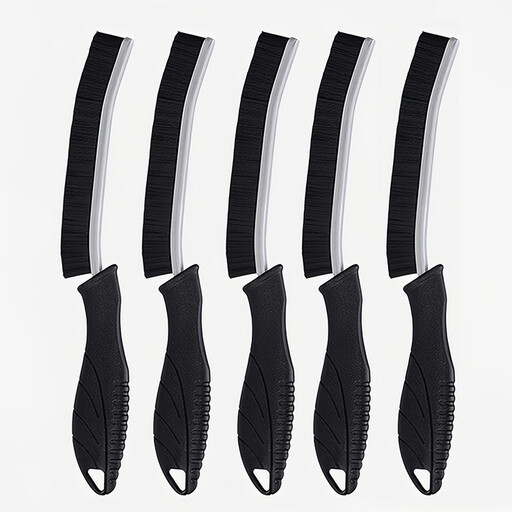
Why This Fits Their Persona: A five-pack gives households, landlords and cleaners several brushes for separate rooms or different cleaning jobs, with a long handle for narrow, awkward gaps.
It is positioned as a gap-cleaning brush rather than a grout removal tool, helping buyers choose a brush for surface dirt instead of expecting it to cut hardened grout.
Five brushes; long-handle format for reaching narrow spaces.
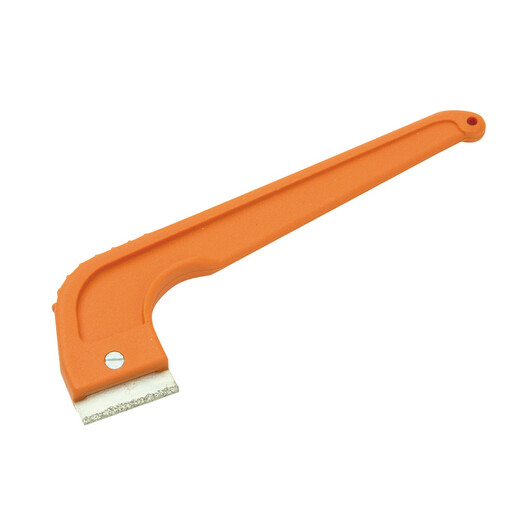
Why This Fits Their Persona: Suitable for planned bathroom or kitchen renovation where old grout needs to be removed with a dedicated hand tool.
The tungsten carbide grit edged blade makes its removal function clear, so buyers are less likely to confuse a scraper with a cosmetic grout pen.
Tungsten carbide grit edged blade; nylon handle designed for grip and control.
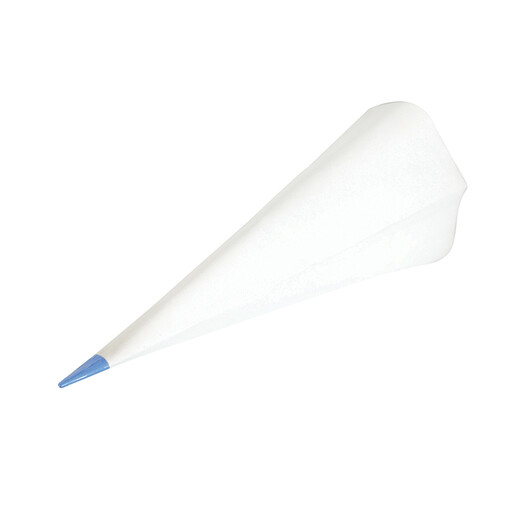
Why This Fits Their Persona: A 300 x 600mm grout bag suits users applying grout or mortar across several joints and those who need adjustable nozzle control.
Its moulded jointing tip can be cut to the required size, making the application more adaptable than a fixed, wide opening.
Poly-lined construction; adjustable tip; 300 x 600mm size.

Why This Fits Their Persona: Designed for dishwashing, this larger brush may suit busy home kitchens, restaurants and catering settings that also need general tile and surface-cleaning accessories.
The product description clearly identifies it as a dish brush, so buyers can avoid treating a general cleaning brush as a substitute for a grout rake.
27.5cm height; mixed stiff and soft nylon bristles; built-in scraper and hanging hook.
We have compiled a complete, real-time list of products that fully satisfy these strict selection criteria and UK safety regulations.
They are generally intended for refreshing the visible surface of sound grout. If the joint is loose, cracked or missing, remove the damaged material and use an appropriate grout repair method instead. A grout pen is not a replacement for structural regrouting.
Lifespan depends on frequency, pressure, moisture and storage. Hard-edged removal tools should be checked for wear or damage, while brushes should be rinsed and dried after use. Replace any tool with a damaged handle, loose blade or badly distorted bristles.
Both can be used for grout removal, but the exact design varies. A grout rake commonly uses a narrow abrasive or serrated edge to work along joints. A scraper may have a flatter cutting edge. Check the blade material, handle grip and instructions before purchase, and use protective gloves and eyewear where appropriate.