
24/7 Customer Support

Free returns

Same-day & Next-day Delivery

Quality Guaranteed

Unlock Your Welcome Offers: FREE Delivery | Up to 80% OFF | Free 30-day JoyPlus trial
Download the APP
Bleeding when brushing, persistent bad breath, sensitive teeth and plaque around the gum line can make choosing gum care products surprisingly difficult. Shelves and online listings are filled with promises about deep cleaning, long-lasting protection and rapid gum repair, but the headline claim does not always tell you whether a product suits your routine.
The practical approach is to match the formula and format to your concern, then check directions, active ingredients and age restrictions before buying. This guide highlights common purchasing traps and compares suitable options for different UK households.
A daily mouthwash can complement brushing and interdental cleaning, but it is not automatically a treatment for gum disease. Products containing chlorhexidine, for example, are generally intended for specific short-term or dentist-directed uses rather than indefinite everyday use. They may also cause temporary staining or taste changes.
If gums are persistently swollen, painful or bleeding, arrange a dental assessment instead of relying solely on mouthwash. Gum care products can support oral hygiene, but they cannot replace professional diagnosis.
A powerful mint taste, tingling or alcohol-containing formula may feel fresh, but sensation is not a reliable measure of plaque removal. Some adults prefer an alcohol-free mouthwash because it feels gentler, particularly if their mouth or gums are sensitive.
Check the label for the intended use, rinsing time and active ingredients rather than choosing based only on flavour or intensity.
Whitening toothpaste usually helps remove surface stains rather than changing the natural internal colour of teeth. Abrasive ingredients and frequent use may be uncomfortable for people with exposed or sensitive areas. If sensitivity is a concern, prioritise a fluoride formula designed for sensitive teeth, and consider a whitening option only if it remains comfortable for you.
For routine plaque control, look for fluoride and clearly stated daily-use directions. Fluoride mouthwash may support enamel protection, but it should be used according to the packaging. Avoid rinsing immediately with water after brushing if the product instructions advise allowing active ingredients to remain in contact with teeth.
For targeted products, identify the active ingredient:
Do not swallow mouthwash, and check whether the product is suitable for children in your household.
An alcohol-free mouthwash can be a sensible choice for users who dislike a harsh sensation or experience oral dryness. However, “alcohol-free” does not automatically mean suitable for every mouth or every condition. Review the full ingredient list and stop using a product if irritation develops.
Alcohol-containing formulas can still be suitable for some adults when used as directed. The useful comparison is comfort, active ingredients and intended purpose—not simply whether the product feels strong.
Brushing cannot reliably reach every space between teeth. A water flosser, also called an oral irrigator, uses a directed stream of water to clean between teeth and along the gum line. Before buying, check:
A water flosser is an addition to brushing, not a substitute for all dentist-recommended interdental methods.
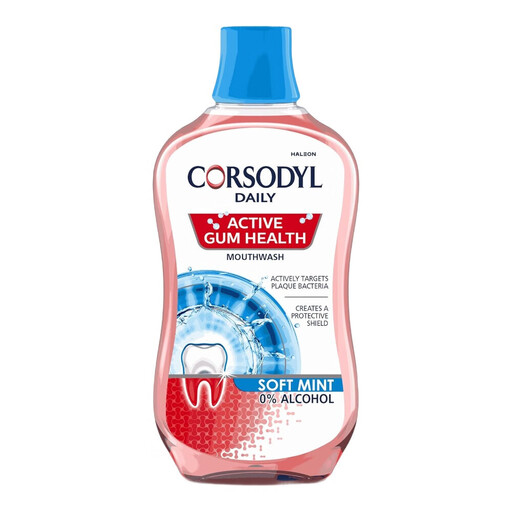
Why This Fits Their Persona: A straightforward 500ml option for adults starting a consistent daily gum care mouthwash routine.
Its alcohol-free micellar formulation avoids choosing a rinse solely for a harsh, high-intensity sensation.
Alcohol-free formula; 10ml rinse used for one minute, twice daily, alongside toothbrushing.
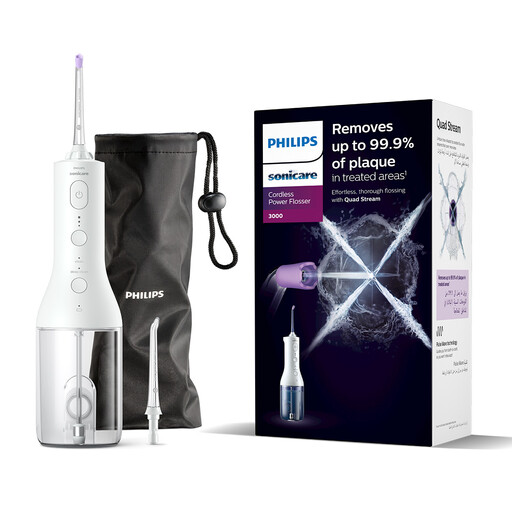
Why This Fits Their Persona: A cordless interdental cleaning device for shoppers who value adjustable settings and a less fiddly bathroom routine.
Three intensities let you start gently instead of assuming maximum water pressure is necessary.
Two modes, three intensities, 250ml reservoir, 360-degree rotating nozzle and USB charging.
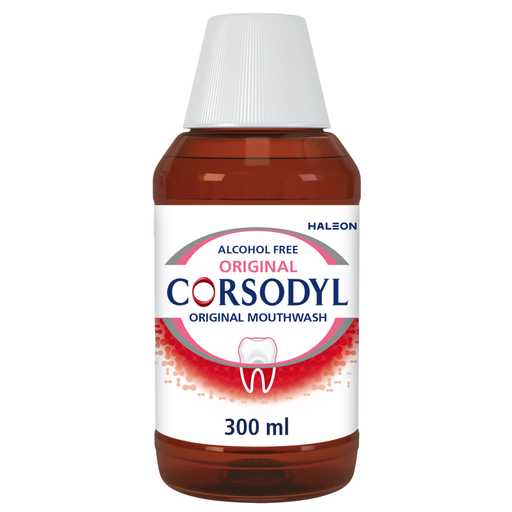
Why This Fits Their Persona: Intended for adults seeking targeted support for gum problems, mouth ulcers or post-treatment care, subject to label and professional advice.
The 0.2% chlorhexidine formula is clearly positioned as medicated care, not an unspecified everyday fresh-breath rinse.
Alcohol-free; 10ml rinse for one minute twice daily. The label warns about possible temporary staining and use after brushing.
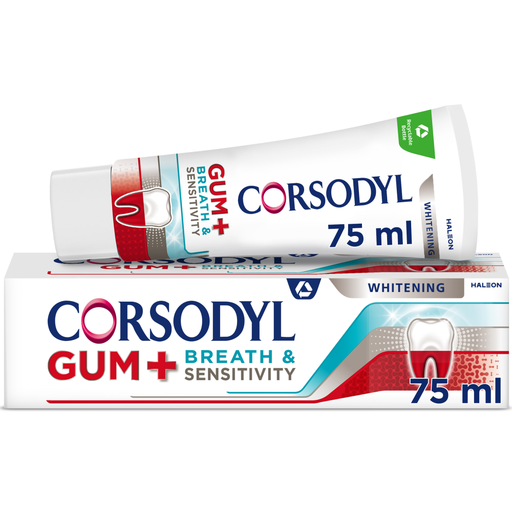
Why This Fits Their Persona: Suitable for adults wanting sensitivity-focused brushing with surface-stain removal and fresh-breath support.
It presents whitening as surface-stain removal while including ingredients intended for sensitivity and gum care.
Contains stannous fluoride and sodium fluoride; designed for twice-daily brushing, with instructions not to rinse immediately.
For most adults, a sensible routine includes brushing twice daily with fluoride toothpaste, cleaning between teeth once a day and using mouthwash only as directed. A water flosser may be useful when conventional floss is difficult to handle, including around orthodontic appliances or awkward interdental spaces.
Avoid using several medicated products containing similar active ingredients without advice. Check the product leaflet, expiry date and storage requirements. If bleeding persists, sensitivity worsens or you notice facial swelling, seek dental care promptly.
Bleeding gums can be associated with plaque-related gum problems, but the cause is not always obvious. Start with gentle brushing, interdental cleaning and a fluoride toothpaste. A medicated mouthwash containing chlorhexidine should be used according to its label or advice from a dentist or pharmacist. Arrange a dental appointment if bleeding continues.
Alcohol-free mouthwash may feel more comfortable for people who dislike burning or dryness. Compare the active ingredients and directions rather than assuming alcohol-free products are suitable for every concern. Stop use if irritation occurs.
The main ongoing costs are water, electricity for charging and replacement nozzles. A cordless model with a rechargeable battery can reduce daily setup hassle, while reservoir capacity and nozzle availability affect long-term convenience. Clean and store the device according to the manufacturer’s instructions to support hygienic use.