If the requirement is a stated cocoa percentage, choose a labelled dark-chocolate product rather than assuming that dark-looking chewing gum contains cocoa. Ordinary packaged gum is a different option if the school permits it; before offering either product, check the event arrangements and keep ingredient information available to buyers. In England, Department for Education guidance says school food standards do not apply to food provided for fundraising events, but that exemption does not remove food-safety responsibilities.
Who is choosing?
School bake-sale organisers considering gum
Confirm that the school permits gum at the event, and keep the original packaging so buyers can inspect ingredients. Department for Education guidance distinguishes fundraising food from ordinary provision under England’s school food standards; the Food Standards Agency says food at community and charity events must still be safe.
Buyers looking for a stated cocoa percentage
If cocoa content is the deciding feature, look for a percentage on the product label. Tesco lists chocolate with stated cocoa percentages separately from its conventional chewing-gum products; the two formats should not be treated as interchangeable.
What should you check?
Decide whether the sale calls for chewing gum or a cocoa-labelled chocolate product, then check the school’s permission and the information buyers will need at the stall.
Packaged chewing gum
Consider it: If the school permits gum and the intended item is ordinary chewing gum.
Trade-off: A conventional sugar-free gum listing does not establish a cocoa percentage.
Cocoa-labelled chocolate
Consider it: If a declared cocoa percentage matters more than the chewing-gum format.
Trade-off: Chocolate does not meet a requirement specifically for gum; cooking chocolate also needs preparation before it becomes a bake-sale item.
| Priority | What to check | Your needs |
|---|
| School permission |
Ask whether gum is allowed at this particular event. Confirm which UK nation’s guidance and local arrangements apply. Department for Education guidance exempts fundraising food from England’s school food standards, not from the school’s own policy. |
I need to know that the school will allow the product I plan to offer. |
| Ingredients |
Keep the original pack available and check its current ingredient and allergen information. Follow the labelling requirements that apply to the way the food is packaged and offered. |
Buyers should be able to inspect ingredients rather than rely on a flavour description at the stall. |
| Cocoa content |
Look for an explicit cocoa percentage on the product label. Do not use colour, flavour wording or a gum category listing as a substitute for that specification. |
If cocoa content is my reason for choosing the item, I want the figure stated on the product itself. |
| Sale format |
Check whether the product can be offered in its existing pack or needs preparation. For a baked item made with cooking chocolate, check the finished item’s ingredients and event arrangements. |
I want the product format to match what the stall will actually sell. |
Mistakes to avoid
-
Reading “dark” as a cocoa specification
A dark appearance or vague product wording does not establish cocoa content. Tesco’s cocoa-labelled dark chocolate and its chewing-gum listings are separate product categories.
Use the stated cocoa percentage on a specific pack if that is the requirement. If you choose gum, describe it as gum rather than as high-cocoa confectionery.
-
Assuming the fundraising exemption covers every rule
Department for Education guidance says England’s school food standards do not apply to food provided for fundraising events. Separately, the Food Standards Agency says food supplied at community and charity events must be safe to eat.
Confirm the school’s event policy and the arrangements for offering food safely. If you are unsure whether the activity needs food-business registration, ask the local authority.
-
Removing packs before buyers can check ingredients
Without the pack, a flavour name alone gives buyers little help in identifying ingredients or allergens relevant to them.
Keep the original packaging, or accurate and accessible ingredient information from it, available throughout the sale.
Brand and retailer references
These references help distinguish gum from cocoa-labelled chocolate; they do not establish what a particular school will permit.
EXTRA
Mars Wrigley presents EXTRA as sugar-free chewing gum on its UK site.
- Relevant when the intended product is ordinary gum.
- The gum description does not establish a dark-chocolate or high-cocoa variant; check the specific pack if cocoa content is required.
Tesco
Tesco’s grocery categories provide a reference for the distinction between chewing gum and dark chocolate.
- Its dark-chocolate listings include products with stated cocoa percentages.
- A category listing does not establish stock for a particular shop or approval for a school sale.
Trident
Trident is a gum brand, but UK-specific product details need checking before it can inform this purchase.
- Perfetti Van Melle’s checked Trident country selector does not list the UK; it cannot establish the ingredients, labelling or availability of a UK product.
Products for each option
These Joybuy options include cocoa-labelled chocolate for a chocolate brief and packaged spearmint gum for a gum brief. The cooking chocolate is an ingredient for preparation, not a ready-to-serve bake-sale item; none of the chocolate products is chewing gum.
 No image available
Lindt Excellence 90% Cocoa Supreme Dark 100g
For a sale choosing chocolate by its stated cocoa content, this 100g product is labelled 90% cocoa. It is chocolate, not gum; check the current pack’s ingredients and allergen information, and confirm the school permits the item.
View on Joybuy
 No image available
Morrisons The Best 85% Cocoa Ecuador Dark Chocolate 100g
This 100g dark chocolate has a stated cocoa content of 85% and suits a chocolate rather than a gum brief. Check its current ingredient and allergen information and obtain the school’s approval before offering it.
View on Joybuy
 No image available
Lindt Excellence 85% Cocoa Dark 100g
This 100g chocolate gives a stated 85% cocoa figure for a cocoa-content brief, but it does not meet a requirement for chewing gum. Retain the current pack for ingredient checks and confirm the school’s sale arrangements.
View on Joybuy
 No image available
Menier Dark Cooking Chocolate 70% Cocoa 100g
For a bake-sale recipe using cocoa-labelled chocolate, this 100g cooking chocolate states 70% cocoa. It needs preparation to become a baked sale item; check the ingredient information for both the chocolate and the finished item.
View on Joybuy
 No image available
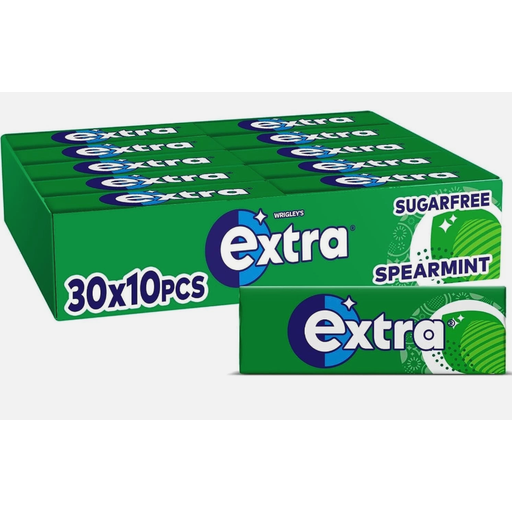
Wrigley Extra Sugar Free Spearmint Gum, 10 Pieces × 30
If the school permits ordinary packaged gum, this is sugar-free spearmint chewing gum in 30 packs of 10 pieces. It is not a cocoa-labelled product. Keep the current pack information available to buyers and check the school’s policy before offering it.
View on Joybuy
Common questions
Do England’s school food standards automatically rule out gum at a bake sale?
No. Department for Education guidance says those standards do not apply to food provided for fundraising events in England. That does not grant permission from the school or settle the food-safety arrangements, so confirm both before offering gum.
Does food safety still matter at a school fundraiser?
Yes. The Food Standards Agency says food supplied, sold or provided at community and charity events must comply with food law and be safe to eat. If you are unsure whether the activity needs food-business registration, contact the local authority.
What ingredient information should buyers be able to see?
Keep the original packaging available so buyers can inspect the product’s ingredients and allergen information. The Food Standards Agency explains that applicable prepacked and prepacked-for-direct-sale labelling requirements include the food name and a full ingredients list with mandated allergens emphasised; the precise requirements depend on how the food is packaged and offered.


