
24/7 Customer Support

Free returns

Same-day & Next-day Delivery

Quality Guaranteed

Unlock Your Welcome Offers: FREE Delivery | Up to 80% OFF | Free 30-day JoyPlus trial
Download the APP
Gummies and sweets can make daily routines easier, whether you are buying vitamin gummies for a child, chewy sweets for a party or sugar-free gum for your handbag. However, attractive packaging and bold flavour descriptions do not always reveal the details that matter most.
The main buying traps are straightforward:
A practical comparison starts with the label rather than the marketing message.
Read the full ingredients list every time, particularly if you are buying for a child or someone with allergies. Gelatine is common in gummy sweets and some chewable products, while pectin is a plant-based alternative used in several vegetarian and vegan formulas.
Check for clearly listed allergens, including milk, soya, sulphites and peanuts. “May contain” statements indicate possible cross-contamination and should not be ignored. Some fruit-flavour sweets also use colours or flavourings that parents may prefer to limit.
For plant-based shoppers, do not assume that a product described as fruit-flavoured is vegan. The ingredients for Amos Peelerz products, for example, list pork gelatine, while some Skittles products are labelled vegan but may still carry a milk cross-contamination warning. Always compare the current pack with the online description.
For vitamin gummies and children’s supplements, compare the amount per gummy with the stated daily serving. A larger number on the front of a bottle may refer to the whole serving rather than one piece.
Useful details include:
For example, Bioglan VitaGummies Family Multivitamin provides vitamins including D3, C, E, B vitamins, folic acid, biotin and iodine. Its dosage varies by age, so the pack instructions should determine how many gummies are taken. Similarly, the Bioglan Vitamin D3 product provides 25 micrograms per gummy, but its supplied guidance is for teenagers aged 12 and over and adults, not younger children.
Do not exceed the stated dose. This is particularly important with products containing iron or fat-soluble vitamins.
Texture affects how practical a product is for everyday use. Soft gummies may be easier than tablets for some users, while peelable sweets provide an interactive format that may appeal to older children. Hard sweets and lollipops require extra care because of choking risk.
Pack size should match the occasion:
Store products according to the label, usually in a cool, dry place away from sunlight and humidity. Close jars and bags securely to help prevent sticking, texture changes and moisture damage.
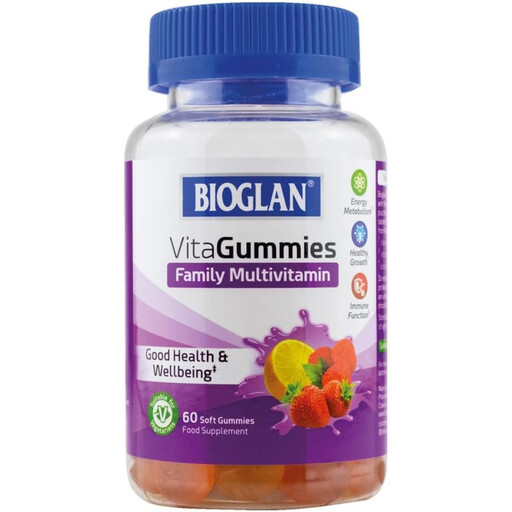
Why This Fits Their Persona: A single family-oriented format can be convenient for households with adults and children aged 4 and over, subject to the different dosage instructions.
The label provides age-based serving guidance, helping avoid treating a family supplement as a one-size-fits-all product.
60 gummies; includes vitamin D3, vitamin C, B vitamins, vitamin E, folic acid, biotin and iodine.
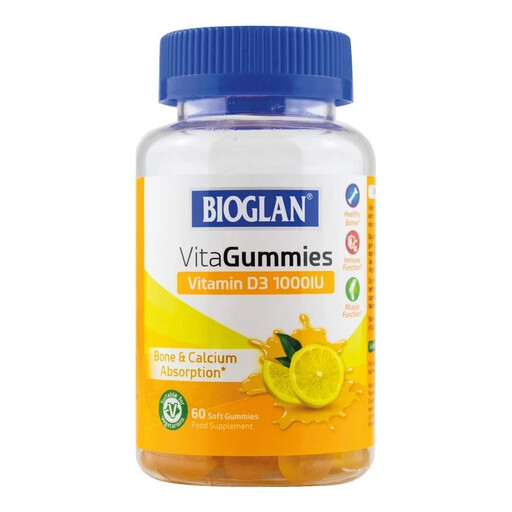
Why This Fits Their Persona: Suitable for shoppers who want a clearly specified vitamin D3 gummy and prefer a chewable, vegetarian-friendly format.
The product states the amount per gummy and identifies pectin rather than animal gelatine in the listed ingredients.
Lemon flavour; 25 micrograms of vitamin D3 per gummy; 60-piece pack.
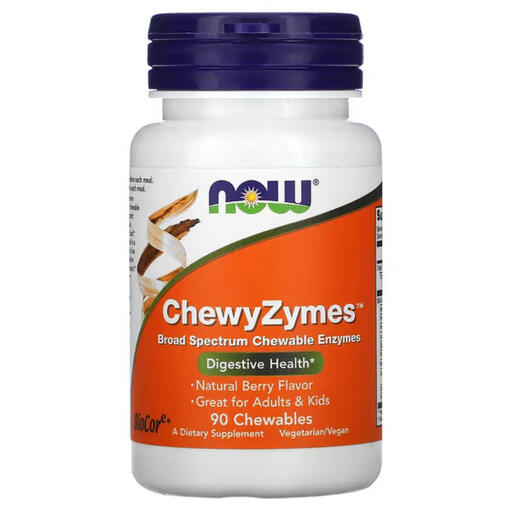
Why This Fits Their Persona: Designed for adults and children aged 4 and over who specifically want digestive enzyme chewables rather than a general multivitamin.
The ingredient panel identifies separate enzyme activities, including amylase, protease, lactase and lipase, instead of using a vague “digestive support” description alone.
90 chewables; berry flavour; vegetarian and vegan-friendly ingredients listed.
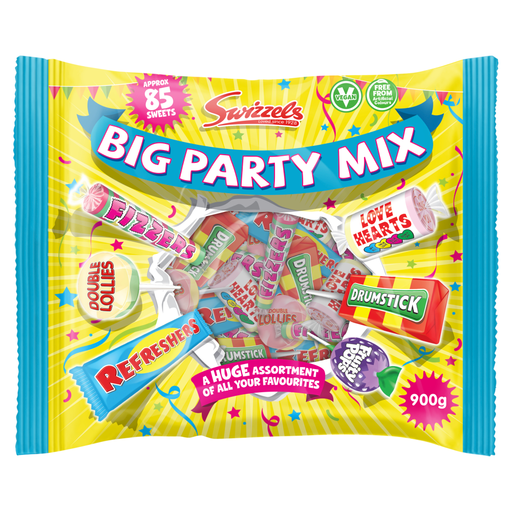
Why This Fits Their Persona: A large sharing format suits birthdays, office bowls, family gatherings and party treat tables.
The pack size and per-20g nutrition information make it easier to portion a sharing bag rather than snack directly from the packet.
900g pack; mixed sweet selection; UK origin listed; contains soya.
We have compiled a complete, real-time list of products that fully satisfy these strict selection criteria and UK safety regulations.
Some are, but only within the stated age range and dosage. Several children’s supplements are labelled for ages 4 and over, while other products are intended for ages 12 and above or adults. Gummies can also present a choking risk, so children should be seated and supervised when eating them.
No. Vitamin gummies and family wellness supplements are food supplements, not substitutes for varied meals or prescribed treatment. If a child may have an iron deficiency, or if someone takes regular medication, seek advice from a GP, pharmacist or other suitable healthcare professional before choosing a supplement.
Sugar-free gum can reduce sugar intake, but it may contain sweeteners such as sorbitol, maltitol or aspartame. Larger quantities may cause digestive discomfort for some people. Confectionery labelled vegan, reduced sugar or fruit-flavour should still be checked for calories, sugars, allergens and portion size before purchase.