
24/7 Customer Support

Free returns

Same-day & Next-day Delivery

Quality Guaranteed

Unlock Your Welcome Offers: FREE Delivery | Up to 80% OFF | Free 30-day JoyPlus trial
Download the APP
Gummy sweets can look very similar on the shelf, yet the eating experience, ingredients and value may differ considerably. A small peg bag might be ideal for a lunchbox, while a large tub is more practical for a children’s party or family film night.
The main challenge is separating useful product information from appealing packaging. Before choosing fruit gummies or chewy gummy sweets, check the format, pack size, ingredients and age guidance rather than relying only on flavour images or phrases such as “real fruit”.
A product may have a peach, mango or grape shape without containing much fruit juice. Some gummy sweets use concentrated fruit juice, while others mainly contain glucose syrup, sugar, flavourings and gelling agents.
This does not automatically make one option unsuitable, but it does affect what you are buying. If fruit taste matters, look for named juice concentrates or fruit ingredients in the product information. For example, some Amos 4D sweets list pineapple or peach juice concentrate, while other fruit-flavoured sweets focus primarily on flavourings.
Many gummy sweets contain gelatine, including pork gelatine. This is important for shoppers following vegetarian, vegan, religious or dietary requirements. Even where the ingredient list does not show a common allergen, the packaging may state that the product is made on shared equipment.
Always check the current UK packaging for:
Peelable gummies and large chewy pieces can be engaging, but they still require sensible supervision. Products in this guide carry guidance for children aged 4 and over, and young children should be seated and supervised while eating.
For gummy sweets for children, consider the size, firmness and shape of each piece. Avoid assuming that a soft texture removes choking risk. Age guidance on the packaging should take priority.
A 65g bag is convenient for an individual treat, lunchbox or party favour. A 120g bag offers more pieces for sharing without taking up much cupboard space. Larger packs, such as a 460g tub, are more suitable for sweets for sharing, party tables and repeated family use.
For party bag sweets, individually wrapped pieces can be more hygienic and easier to distribute. For home snacking, resealable or well-sealed packaging helps prevent gummies from drying out or becoming sticky.
Choose the texture according to the occasion:
Read the product description carefully. “4D” generally refers to a shaped or layered design, but it does not mean every product has the same texture or filling.
Gummy sweets are confectionery and are typically high in carbohydrate and sugar. The supplied product information commonly shows around 309–411 kcal and approximately 45–78g of sugars per 100g, depending on the product. Compare the nutrition panel if you are choosing between pack sizes or flavours.
Some products list colour additives with specific UK labelling considerations. For example, certain EDO products include E102, E124 or E129 and provide a statement that these colours may have an adverse effect on activity and attention in children. Check the ingredient panel and packaging rather than relying on front-of-pack descriptions.
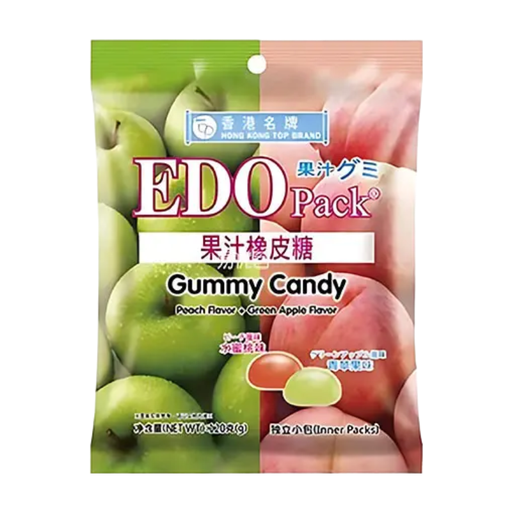
Why This Fits Their Persona: The 120g pack gives shoppers a practical starting point for trying two fruit flavours or preparing lunchbox treats and small sharing occasions.
The listing identifies the two flavours, 120g net quantity and nutrition information, making it easier to judge value than choosing by colourful packaging alone.
Green apple and peach flavours; soft, chewy texture; 120g pack suited to sharing.
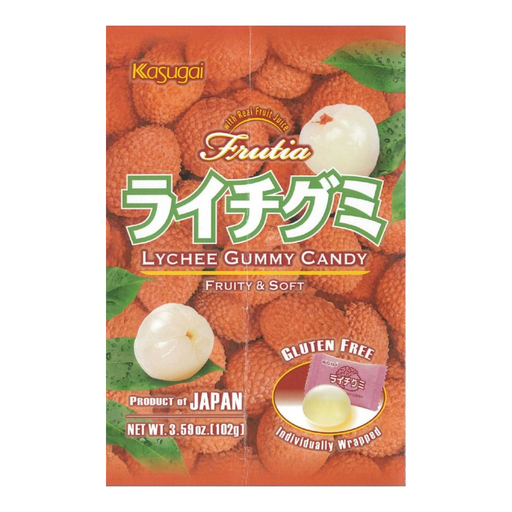
Why This Fits Their Persona: Shoppers seeking Japanese gummies may appreciate the individually wrapped pieces and lychee-focused flavour profile for slower, portioned enjoyment.
The product specifies concentrated lychee juice, a 102g quantity and soya allergen information, helping you assess the contents before purchase.
Soft, chewy texture; individually wrapped sweets; made in Japan; lychee juice concentrate listed.
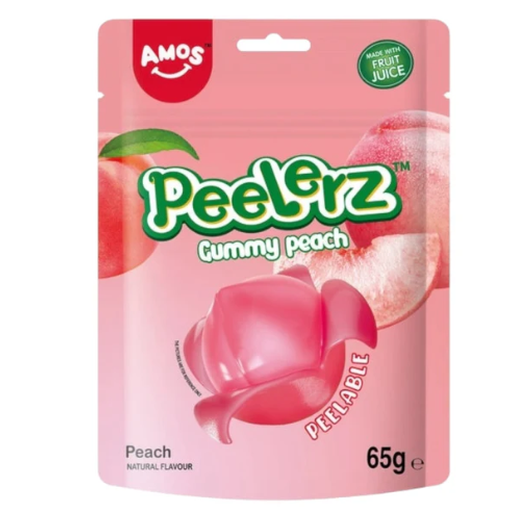
Why This Fits Their Persona: The peelable peach design suits children aged 4 and over, families wanting a playful treat and shoppers looking for something beyond standard gummy sweets.
The listing explains the two-layer design, ingredients, potential traces and child safety guidance, so the interactive feature does not replace practical checks.
Peach-shaped, peelable gummy; firmer outer layer and soft centre; ready to eat from a 65g bag.
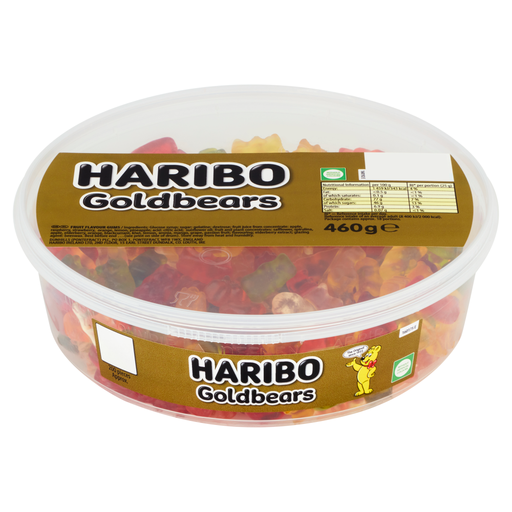
Why This Fits Their Persona: The large tub is designed for parties, family sharing and shoppers who want a substantial cupboard supply rather than several small bags.
The 460g quantity and approximate piece count make it easier to plan party bag sweets or sharing portions, while the storage guidance helps preserve texture.
460g tub; multiple fruit flavours; familiar bear-shaped pieces; suitable for sharing occasions.
We have compiled a complete, real-time list of products that fully satisfy these strict selection criteria and UK safety regulations.
Check the specific pack for age guidance. Several products listed here advise that they are suitable for children aged 4 and over, provided the child can chew and swallow foods safely. Children should be seated and supervised while eating, and gummy sweets should not be treated as an everyday substitute for balanced meals.
Most gummy sweets should be kept in a cool, dry place away from direct sunlight, heat and moisture. Reseal opened bags or tubs where possible. Do not refrigerate unless the packaging specifically advises it, as changes in temperature can affect softness and texture.
Large tubs and 120g sharing bags are practical for family gatherings and party tables. Individually wrapped Japanese gummies can be easier to distribute, while small 65g peg bags work well as party favours or individual treats. Before ordering, compare the net weight, number of pieces where stated, allergen information and the intended age range.