
24/7 Customer Support

Free returns

Same-day & Next-day Delivery

Quality Guaranteed

Unlock Your Welcome Offers: FREE Delivery | Up to 80% OFF | Free 30-day JoyPlus trial
Download the APP
Choosing gummy sweets is not simply a matter of picking the most colourful bag. UK shoppers may be buying fruit sweets for a lunchbox, jelly sweets for a party, chewy sweets for a film night or a small pack for an occasional treat. The right choice depends on ingredients, portion format, dietary requirements and age guidance.
Marketing language can make products appear more suitable than they are. Before adding a pack to your basket, check these common pitfalls.
Some gummy sweets use flavourings and colours to create a fruity taste without containing a meaningful quantity of fruit juice. If this matters to you, look at the ingredients list for terms such as fruit juice from concentrate, concentrated fruit juice or a named fruit ingredient.
For example, The Fruit Factory Mixed Fruit Stars lists apple, strawberry and orange juices from concentrate. By contrast, some traditional chewy sweets primarily use glucose syrup, sugar and flavourings.
Many jelly sweets and gummy sweets use gelatine, which is not suitable for vegetarians or vegans. A product described as suitable for vegetarians may use pectin or another gelling agent instead, but you should still check the current packaging.
The Fruit Factory Mixed Fruit Stars and Mixed Fruit Twists are listed as suitable for vegetarians. Products containing gelatine, including many classic fruit gums, should not be assumed to meet vegetarian or vegan requirements. Also check for milk, soya, wheat, nuts and possible “may contain” statements if someone in your household has an allergy.
Sharing bags can suit parties and family film nights, but a larger pack can encourage more frequent snacking and may be inconvenient for lunchboxes. Individual packs or wrapped sweets can make portioning and serving simpler.
Consider the occasion first: sharing bags for gatherings, smaller resealable packs for travel and individually wrapped sweets for party bags. Always compare the net weight and not just the apparent size of the packaging.
Read the full ingredients list rather than relying only on front-of-pack descriptions. Important checks include:
If you are buying children’s sweets, check the label every time, as recipes and packaging can change.
Gummy sweets can range from soft fruit gums to firm, elastic peelable pieces, hard-shelled lollipops and fizzy sweets coated with acidic sugar. Texture affects both enjoyment and suitability.
Small, firm or chewy pieces may present a choking risk for young children. Follow the age guidance on the pack. Several products listed here specify that children should be supervised, with some stating they are unsuitable for under-threes or under-fours. Children should be seated while eating, and sweets should not be given to a child who cannot chew and swallow them safely.
A resealable bag can help protect texture after opening, while individually wrapped sweets are useful for parties and sharing. Store gummy sweets in a cool, dry place away from heat and direct sunlight. Moisture can make pieces sticky, while heat may affect their shape and texture.
Check the best-before information on the packaging, particularly when buying several sharing bags for a celebration.
The following choices are organised by use case rather than by a universal ranking. Product information, ingredients and age guidance should be checked on the packaging before consumption.
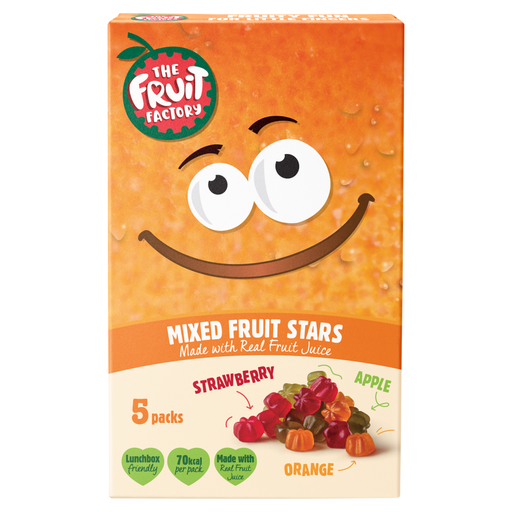
Why This Fits Their Persona: Five individual packs make these fruit sweets practical for lunchboxes, portioned treats and families who prefer not to open a large sharing bag at once.
The product information states 75 kcal per pack and identifies it as suitable for vegetarians, helping shoppers assess portions and dietary fit more clearly.
Made with apple, strawberry and orange juices from concentrate; five-pack format; no artificial flavours or colours listed in the product description.
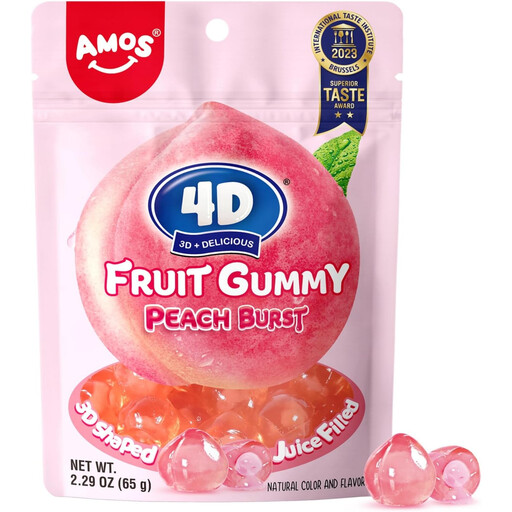
Why This Fits Their Persona: Shoppers looking for a more distinctive texture and fruit-led flavour may appreciate the peach-shaped gummies with a soft centre and resealable 65g bag.
The ingredients identify real peach juice and natural colours and flavours. The pack also provides clear guidance that it is not suitable for children under four.
Peach juice filling; resealable peg bag; gluten-free ingredients are stated in the product description; contains gelatine.
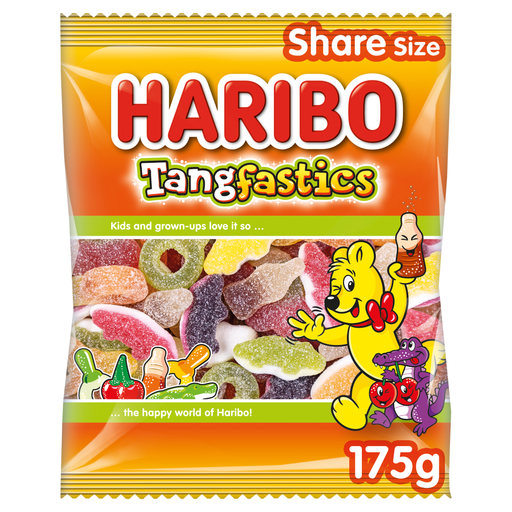
Why This Fits Their Persona: A 175g sharing bag suits sweets for parties, family film nights and anyone who wants a mix of fizzy sweets and familiar fruit and cola shapes.
The product listing clearly states the 175g net weight and identifies gelatine, so buyers can judge serving size and dietary suitability before purchase.
Includes fizzy cola bottles, sour cherries, dummies and crocodiles; provides 346 kcal and 50g sugars per 100g according to the supplied nutrition information.
We have compiled a complete, real-time list of products that fully satisfy these strict selection criteria and UK safety regulations.
For children’s sweets, prioritise the age warning, texture and supervision guidance over shape or colour. Avoid giving small gummy pieces to children below the age stated on the pack.
For vegetarian shoppers, compare the gelling agent carefully. A pectin-based product may be suitable for vegetarians, while gelatine-based sweets are not. Vegan shoppers should also check for milk, beeswax and other animal-derived ingredients.
For parties, combine formats rather than buying one oversized bag. Individually wrapped lollipops such as Colombina GUM Lollipops Watermelon 24s can work as party-bag additions, while a sharing bag is easier for bowls. The lollipops contain a hard shell and gum centre, so supervise young children and check the soya allergen statement.
For a playful option, peelable gummies such as Amos Peelerz Gummy Berry Mix 120g offer two textures. However, the product contains gelatine and may contain peanuts and nuts, so it is not suitable for every household.
Some are more practical than others. Individual packs, such as five-pack fruit sweets, are easier to portion and carry. Check the product’s age guidance, ingredients and nutritional information before placing sweets in a child’s lunchbox.
Many do, but not all. Traditional jelly sweets, fruit gums and chewy sweets often contain gelatine. Vegetarian alternatives may use pectin instead. Always read the ingredients and do not rely solely on the product name.