
24/7 Customer Support

Free returns

Same-day & Next-day Delivery

Quality Guaranteed

Unlock Your Welcome Offers: FREE Delivery | Up to 80% OFF | Free 30-day JoyPlus trial
Download the APP
Choosing gummy sweets and chewy sweets online can be more complicated than it appears. Bright packaging may show several fruit flavours, but the actual bag could contain only one texture or a modest quantity. Likewise, labels such as “natural colours”, “fruit flavour” or “suitable for sharing” do not replace checking the ingredients, allergens and pack size.
This guide explains the main buying pitfalls and highlights suitable options for fruit lovers, families, party hosts and shoppers looking for vegan sweets, halal sweets or Japanese sweets.
Fruit-flavour sweets may taste fruity without containing much fruit juice. Some products list concentrated fruit juice, while others mainly use glucose syrup, sugar, acids and flavourings. Read the ingredients list rather than relying on front-of-pack fruit imagery.
A product with several listed fruit flavours may also contain a mix of colours and flavourings that vary by piece. This is useful for sharing, but less suitable if you want one specific flavour such as strawberry, peach or mango.
Many chewy sweets and gummy sweet products use gelatine. The source may be pork or bovine, and this matters for shoppers seeking vegan sweets, vegetarian options or halal sweets.
Do not assume that a product is suitable because it contains fruit juice or plant-based colours. Check for gelatine, beeswax, milk, soya and possible traces of nuts. For halal purchases, look for clear certification or current packaging information rather than relying on the product name alone.
Interactive products can be enjoyable, but a small peg bag may cost more per 100g than a family sharing bag. Compare the net quantity, number of individual portions and intended use. A 65g bag may suit a lunchbox or trial purchase, whereas a 300g or 350g pack is more practical for parties and group snacking.
The ingredient list should be the first checkpoint. Look for:
Allergen information can change, so always check the label delivered with the product. This is especially important where the listing states possible cross-contamination.
Gummies range from soft and bouncy to firm and elastic. Jelly sweets often have a smooth, gel-like bite, while traditional chewy sweets may take longer to eat. Peelable gummies add two textures and an interactive element, but children should be seated and supervised while eating.
For children aged four and over, follow the specific product safety guidance. Small pieces, firm textures and novelty components can present a choking risk. Some interactive sweets also include non-edible packaging or accessories that must be kept away from young children.
Most confectionery is high in carbohydrate and sugars, so compare serving information as well as the total pack size. For example, the supplied listings range from 46g and 50g single bags to 300g and 350g sharing formats.
Check energy and sugar per 100g, then decide whether the product is intended as an occasional treat, lunchbox portion or party bowl. Store sweets in a cool, dry place away from direct sunlight and heat. Reseal larger bags after opening to help preserve texture.
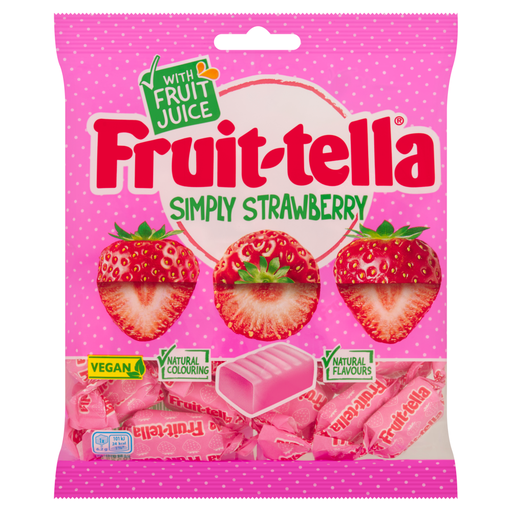
Why This Fits Their Persona: A single-flavour 135g bag is a straightforward choice for shoppers who want fruit-flavour sweets without committing to a large sharing carton.
The listed product information identifies it as suitable for vegans and shows no listed allergens, helping shoppers avoid assumptions about gelatine.
135g pack; strawberry juice from concentrate; natural flavourings and listed plant concentrates.

Why This Fits Their Persona: Suitable for shoppers who value an unusual texture and presentation alongside a mixed berry flavour selection.
The 120g quantity offers more than the individual 65g versions, while the peelable format provides a clearly defined feature rather than decorative packaging alone.
Two distinct textures; berry assortment; ready to eat and suitable for sharing.
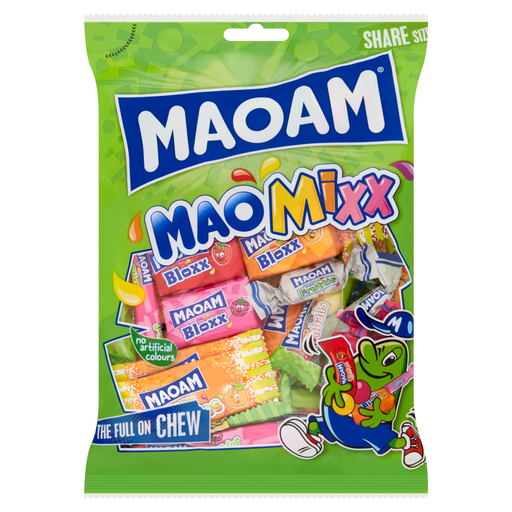
Why This Fits Their Persona: A practical format for party sweets, film nights, picnics and households that need a larger assortment for several people.
The 300g sharing bag makes the quantity clear, and the listing notes that the mixture may vary, avoiding the expectation of an exact piece count.
Includes multiple shapes and flavours; UK country of origin listed; resealable storage guidance.
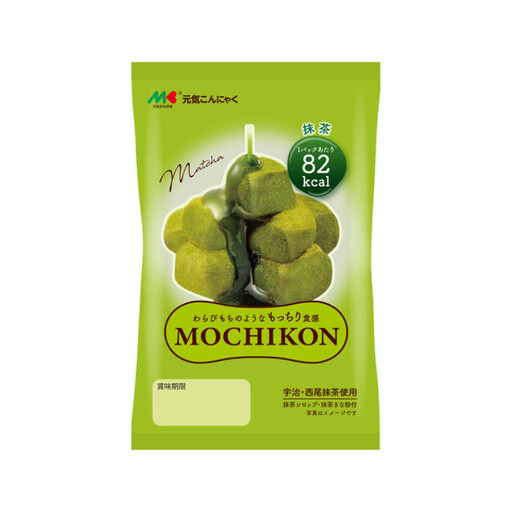
Why This Fits Their Persona: A Japanese-inspired jelly dessert for shoppers seeking a softer, chilled treat and a product listed as halal.
The listing identifies konjac and corn starch rather than gelatine, and clearly states that it contains soya and sweeteners.
113g pack; matcha flavour; suitable for chilled serving; made in Japan.
We have compiled a complete, real-time list of products that fully satisfy these strict selection criteria and UK safety regulations.
Check the age guidance, texture and choking warnings on the packaging. Some products in this category specify suitability for children aged four and over, with supervision recommended. Children should be seated while eating, and small non-edible components must be kept away from them.
Not automatically. Many chewy sweets contain gelatine, beeswax or milk. Choose products with an explicit vegan statement where required, and verify halal certification or current pack information rather than relying solely on a flavour or product name.
Keep unopened and opened sweets in a cool, dry place away from direct sunlight and heat. Seal sharing bags after opening. Some jelly desserts need refrigeration after opening and should be consumed according to the package instructions.