
24/7 Customer Support

Free returns

Same-day & Next-day Delivery

Quality Guaranteed

Unlock Your Welcome Offers: FREE Delivery | Up to 80% OFF | Free 30-day JoyPlus trial
Download the APP
Gummy sweets cover a wide range of textures, flavours and pack formats, from traditional fruit gums and chewy sweets to Japanese gummies, sour sweets and interactive peelable gummies. They can suit lunchboxes, parties, film nights, gifts or casual snacking, but colourful packaging does not always tell you what you are buying.
A sensible choice starts with the label rather than the marketing message. Before ordering gummy sweets online in the UK, check the ingredients, allergens, pack size and intended use.
Fruit-flavoured sweets may contain fruit juice or purée, but they remain confectionery. For example, several gummy products in this range contain around 50–61g of sugars per 100g. “Made with fruit juice” describes an ingredient or flavour profile; it does not mean the product is equivalent to fresh fruit.
Use the nutrition panel to compare energy and sugars, and treat sweets as an occasional part of a balanced diet.
Many popular gummy sweets contain gelatine, including pork or beef gelatine. This means they may not be suitable for vegetarians, vegans, halal diets or shoppers avoiding particular animal ingredients. Some products may also contain or be manufactured alongside milk, soya, sulphites, nuts or peanuts.
Always check the actual packaging before eating, particularly when buying assorted sweets or a mixed bundle. Formulations and labels can change.
A 780g bulk pack may offer convenience for parties, but it may be unnecessary for one person and can become sticky, hard or less appealing if left open. Conversely, individually wrapped sweets or mini bags can be more practical for sharing, portioning and lunchboxes.
Consider how quickly the sweets will be consumed, where they will be stored and whether everyone eating them likes the same flavour.
“Gummy” can mean soft, bouncy, firm or highly chewy. Peelable gummies offer two textures: an outer layer and a softer centre. Traditional wine gums and fruit gums tend to have a firmer bite, while gummy clusters combine a chewy centre with a coated exterior.
For an interactive option, Amos Peelerz products are designed to be peeled or eaten whole. For a conventional chew, Maoam sweets, Haribo sweets and fruit-flavoured gummy sticks may be more straightforward.
Look for the full ingredients list rather than relying on front-of-pack descriptions. Check:
Gummy supplements require additional care. Products such as vegan multivitamin gummies are dietary supplements, not ordinary sweets, and should be used only according to the stated age, dosage and warning information.
Compare pack sizes by price per 100g, not just the shelf price. A 65g peg bag may suit a single snack or small gift, while a 120g sharing bag or 350g carton is more appropriate for several people.
Most gummy sweets should be stored in a cool, dry place away from direct sunlight, heat and moisture. Reseal opened bags where possible. Always check the best-before information on the packaging.
Children should be seated and supervised when eating chewy sweets. Only give products to children who meet the stated age guidance and can chew and swallow them safely. Some products in this selection specify age 4+, while interactive sweets with small components may have different warnings.
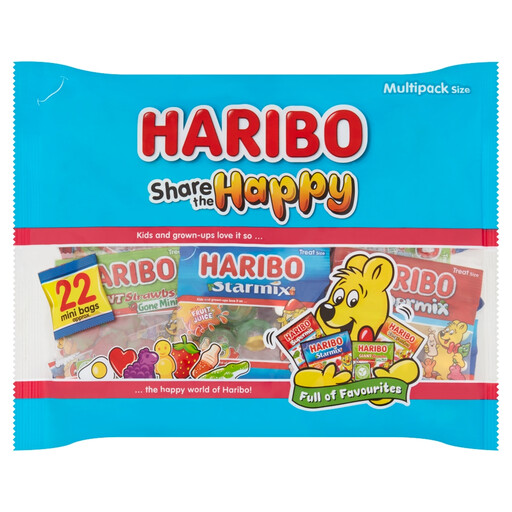
Why This Fits Their Persona: The 22 mini bags make this a practical choice for families, lunchboxes, party tables and controlled sharing rather than opening one large bag.
Individual bags reduce the need to repeatedly open and reseal a sharing pack. The listed nutrition information gives a clear basis for portion planning.
352g total pack; multiple gummy and chewy formats; mini bags are convenient for sharing.
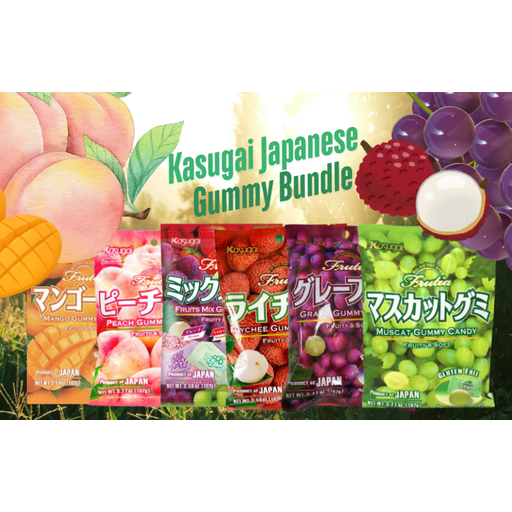
Why This Fits Their Persona: Shoppers who enjoy Japanese confectionery can explore peach, lychee, mango, muscat, grape and mixed fruit formats in one selection.
The bundle provides flavour-specific ingredient and allergen information, helping buyers compare instead of assuming every bag has the same formulation.
Several fruit flavours; some listed varieties use fruit juice or purée and natural colour sources; lychee sweets are individually wrapped.
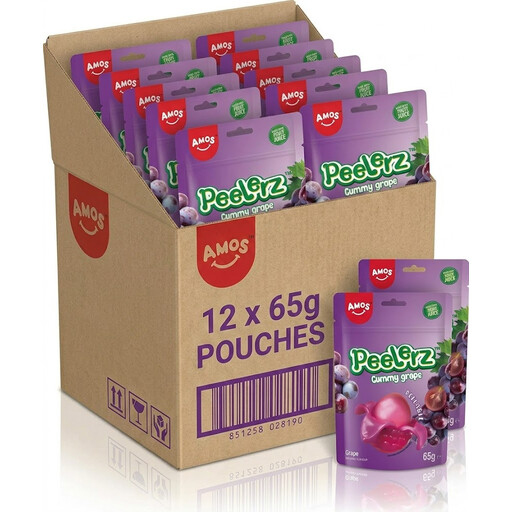
Why This Fits Their Persona: The 12-bag format is suited to parties, events, office snack cupboards or households that want several portions available.
Multiple 65g bags avoid repeatedly exposing one large pack to moisture. The product page states the age 4+ guidance and highlights potential milk, soya and sulphite cross-contact.
12 x 65g bags; peelable outer layer; grape flavour; suitable for sharing when age and allergen guidance is followed.
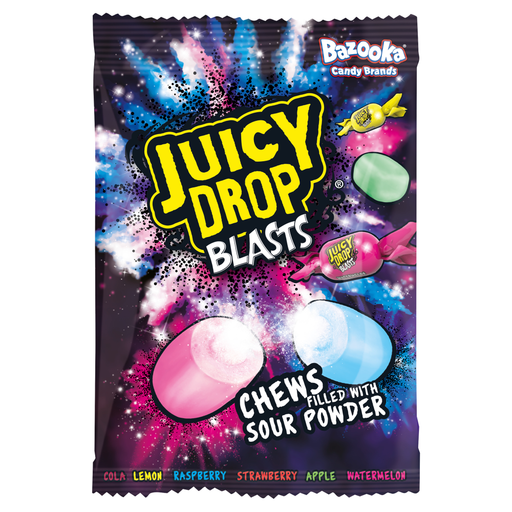
Why This Fits Their Persona: This suits teenagers and adults who want sour sweets with an interactive element for parties, games nights or occasional treats.
The sour liquid is separate, allowing users to control how much is added. The pack includes warnings about the concentrated liquid, plastic components and choking risks.
140g pack; fruit-flavoured chewy pieces; separate sour liquid pen; no allergens listed in the supplied product information.
We have compiled a complete, real-time list of products that fully satisfy these strict selection criteria and UK safety regulations.
Check the age guidance on the specific product. Some products state that they are suitable for children aged 4 and over who can chew and swallow foods safely. Children should be seated and supervised, and sweets should not be given to very young children because of choking risks.
Keep unopened and opened packs in a cool, dry place away from heat, sunlight and moisture. Reseal the bag after opening. Temperature changes can affect texture, causing some sweets to harden or become sticky, although the packaging guidance should take priority.
Not necessarily. The Kasugai bundle and many peelable gummies list animal-derived gelatine. Check the ingredient list for each flavour, as a mixed bundle may contain different recipes. If you need plant-based confectionery, look for a clear vegan or vegetarian label rather than relying on the product style or fruit flavour.