
24/7 Customer Support

Free returns

Same-day & Next-day Delivery

Quality Guaranteed

Unlock Your Welcome Offers: FREE Delivery | Up to 80% OFF | Free 30-day JoyPlus trial
Download the APP
Gummy sweets and vitamin gummies can be convenient, portable and enjoyable, but the colourful packaging does not always tell the full story. UK shoppers may be choosing between fruit gummies, chewy sweets, Japanese gummies, sharing bags and supplements that look similar but serve very different purposes.
Before adding a product to your basket, check more than flavour and price. The most common buying mistakes involve overlooking gelatine and allergen information, confusing confectionery with nutritional supplements and paying more for a smaller pack because the serving format is unclear.
Many gummy sweets use gelatine, which may be bovine or pork-derived. Haribo Share The Happy, Maoam products and Amos Peelerz varieties list gelatine in their ingredients. The Kasugai Japanese Gummy Bundle also contains animal-derived gelatine across its listed flavours.
If you need vegan vitamin gummies or vegetarian-friendly sweets, look for plant-based pectin and check the individual flavour label. Nutrigums Vitamin D3 Gummies and Nutrigums Women’s Vitality Gummies use pectin rather than gelatine, but formulations can change, so always check the packaging supplied with your order.
Vitamin D3 gummies, multivitamin gummies and digestive support gummies are supplements, not unrestricted sweets. A product may taste pleasant, but taking more than the stated dose is not a sensible way to increase intake.
Check the recommended daily serving, nutrient amount per gummy and percentage of the UK nutrient reference value (NRV). Also consider whether another supplement already contains the same nutrient. Keep supplements away from children and follow the age guidance on the label.
A 300g sharing bag, a 12-pack of 65g bags and a 60-gummy supplement bottle are not directly comparable. Individually wrapped sweets may be practical for parties or lunchboxes, while a large open bag can be less convenient once opened.
Review the net weight, number of portions, resealability and storage instructions. For sweets, also compare sugar per 100g rather than relying on words such as “fruity”, “natural” or “real juice”.
Read the full ingredients list, particularly when buying for children, guests or people with food allergies. Some products may contain or potentially cross-contact with milk, soya, sulphites, nuts, peanuts or cereals containing gluten.
Japanese gummies can include concentrated fruit juice, gelatine, soya lecithin or specific colourings depending on the flavour. Amos Peelerz products may list milk and sulphites as possible allergens, while some flavours have different recipes from others.
For a vegan product, “gelatine-free” is not the only check. Look for pectin or agar and verify that flavourings, glazing agents and any cross-contamination statement suit your requirements.
Most gummy sweets are confectionery products and should be enjoyed in moderation. For example, the supplied information lists approximately 55–63g of sugars per 100g for several Amos, Maoam and Swizzels products. Maynards Bassetts Wine Gums list 57g of sugars per 100g, while Haribo Share The Happy lists 46g per 100g.
Use the per-100g panel to compare products consistently. A smaller bag is not automatically lower in sugar and “fruit flavour” does not mean the product provides the same nutrition as whole fruit.
Vitamin gummies should be assessed by active ingredients rather than taste. Nutrigums Vitamin D3 Immune Support Gummies provide 25µg (1,000 IU) of vitamin D3 per gummy, listed as 500% NRV, with a direction of one gummy daily for adults and children aged 12 and over.
Haliborange Adult Multi Gummies provide one orange-flavoured gummy daily, with nine listed vitamins. Nutrigums Happy Fibre Inulin Gummies provide 3.8g of inulin per two-gummy serving and are labelled for adults and children aged five and over.
For confectionery, observe age warnings and supervise young children while eating chewy sweets. Store all products in a cool, dry place away from direct sunlight, heat and humidity. Reseal opened bags to help protect texture.
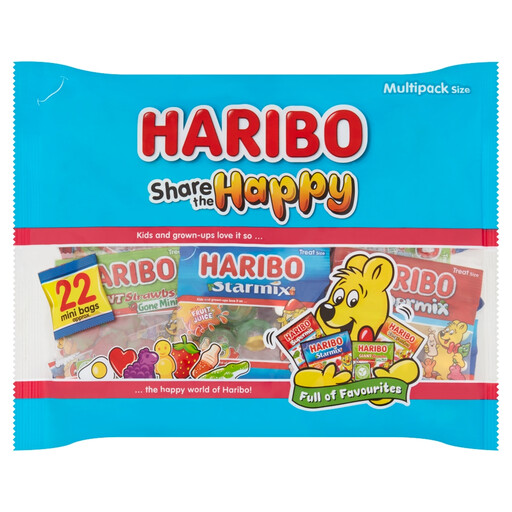
Why This Fits Their Persona: Twenty-two mini bags provide a straightforward format for lunchboxes, small treats and controlled sharing at family gatherings.
The individual mini-bag format avoids opening one large bag for every occasion, although the sweets still contain gelatine and should be treated as confectionery.
352g total weight, assorted fruit and cola flavours and 22 separate bags for easy distribution.
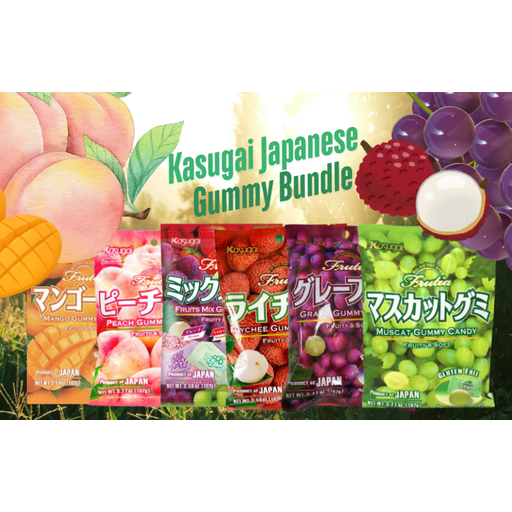
Why This Fits Their Persona: A flavour-led option for shoppers who want Japanese gummies with fruit varieties such as peach, lychee, mango, muscat and grape.
The bundle presents flavour-specific ingredient information, helping buyers identify gelatine, soya and colourings before choosing a variety.
Multiple fruit flavours, Japanese origin and individually wrapped packaging for convenient carrying and sharing.
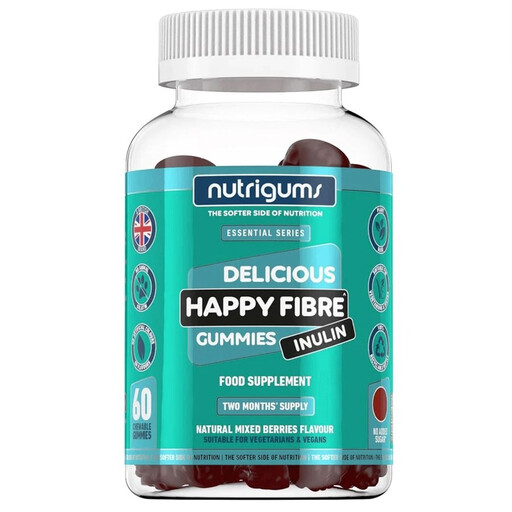
Why This Fits Their Persona: Suitable for shoppers specifically seeking prebiotic fibre gummies in a chewable format rather than ordinary gummy sweets.
The label gives a defined two-gummy serving and 3.8g inulin amount, reducing confusion between a supplement dose and a sweet portion.
60 gummies, 3.8g inulin per serving and a vegan, gluten-free formulation listed with no added sugar.
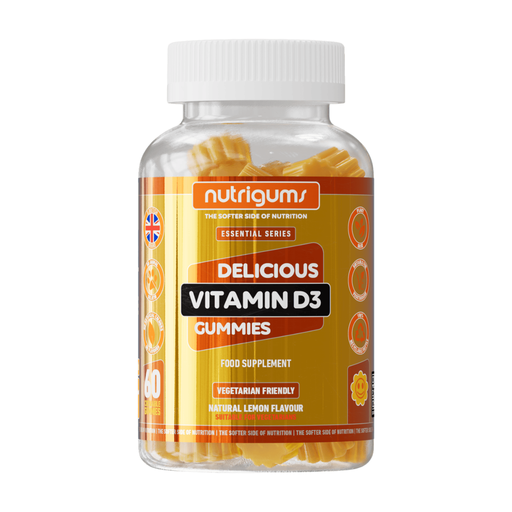
Why This Fits Their Persona: A daily chewable format for adults and children aged 12 and over who want a clearly labelled vitamin D3 supplement.
The serving is one gummy daily, with the vitamin D3 quantity and NRV stated per gummy. It also uses plant-based pectin.
25µg vitamin D3 per gummy, natural lemon flavour and a vegan, gluten-free and dairy-free formulation listed.
We have compiled a complete, real-time list of products that fully satisfy these strict selection criteria and UK safety regulations.
No. Gummy sweets are confectionery, while vitamin gummies are formulated to provide specified nutrients at a stated serving. Check the label, dosage and warnings rather than using taste or appearance as a guide.
Keep unopened and opened packs in a cool, dry place away from direct sunlight, heat and humidity. Reseal bags or bottles after opening. Check the best-before information on the actual packaging, as texture can change when sweets are exposed to moisture or temperature changes.
Only if the product label gives an appropriate age recommendation. Some vitamin gummies are intended for adults or children aged 12 and over, while others have different guidance. Never exceed the stated dose and keep supplements out of children’s reach.