
24/7 Customer Support

Free returns

Same-day & Next-day Delivery

Quality Guaranteed

Unlock Your Welcome Offers: FREE Delivery | Up to 80% OFF | Free 30-day JoyPlus trial
Download the APP
Choosing gut health supplements can be surprisingly complicated. Shelves are filled with probiotic capsules, prebiotic fibre supplements, digestive enzymes and gummies, but attractive packaging does not always tell you what you are actually buying.
A sensible choice starts with three common traps:
The right product should match your specific needs, dietary preferences, storage facilities and intended frequency of use.
When comparing probiotic supplements, look beyond the headline CFU figure. Check:
A multi-strain formula may appeal to shoppers seeking broad gut microbiome support, while a lower-count product may be more practical for someone starting gradually. Shelf-stable probiotics can be useful in UK homes, offices or during travel, but they still need to be kept away from heat, moisture and direct sunlight.
Prebiotic fibre supplements provide food for certain gut bacteria, but they can cause temporary gas or bloating when introduced too quickly. Inulin fibre, commonly sourced from chicory root, is a soluble fibre used in powders and gummies.
Check the amount per serving and begin according to the product label. Increasing fibre gradually, drinking enough fluid and avoiding several new supplements at once can make it easier to understand how your body responds.
A product containing fibre is not interchangeable with a probiotic. Probiotics supply live microorganisms; prebiotics provide fermentable fibre. Some products combine both, creating a synbiotic-style formula.
Capsules may suit adults who prefer a precise, once-daily serving. Powders can be mixed into drinks or yoghurt, while gummies and chewables may be more convenient for families. However, flavour does not remove the need to read the label.
Look for relevant information about:
Food supplements should complement a varied diet rather than replace it. If you have persistent pain, ongoing diarrhoea, unexplained weight loss or another continuing concern, seek medical advice instead of relying on bloating relief supplements.
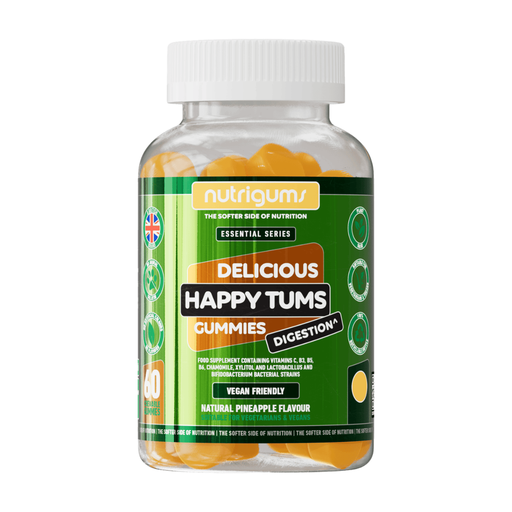
Why This Fits Their Persona: A straightforward gummy format for adults and children aged 12 and over who want an easy daily routine without swallowing capsules. The stated serving provides 2 billion CFU and vitamin B6.
The label clearly identifies the two probiotic strains, serving size, age guidance and vegan pectin format rather than relying only on broad digestive marketing.
Vegan and gelatin-free; two-gummy daily serving; free from gluten, dairy, soya and nuts according to the supplied product information.

Why This Fits Their Persona: Designed for adults wanting a once-daily capsule with six named cultures and 20 billion live cultures per capsule. Its room-temperature storage format suits busy UK routines.
The product information gives the strain blend, dose, storage instructions and milk allergen warning, helping shoppers assess fit before purchase.
Six listed cultures; one-capsule serving; no refrigeration required under the stated storage guidance.
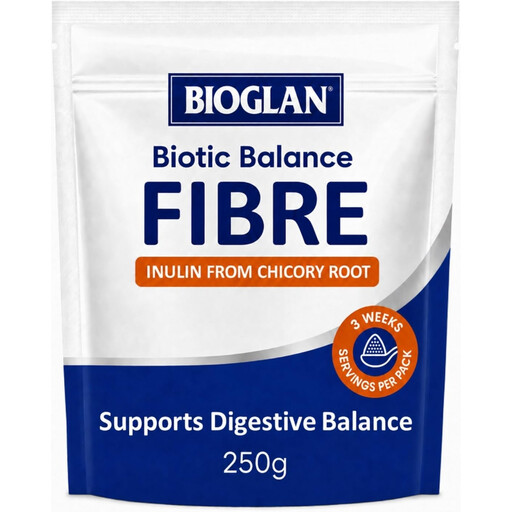
Why This Fits Their Persona: Suitable for adults who prefer a single-ingredient powder and want to increase fibre without adding another probiotic capsule to their routine.
It lists native chicory root inulin as the sole ingredient, making it easier to check dietary suitability and calculate the amount being used.
Vegan and vegetarian; soluble powder; can be mixed with drinks or soft food; gradual introduction is advised.
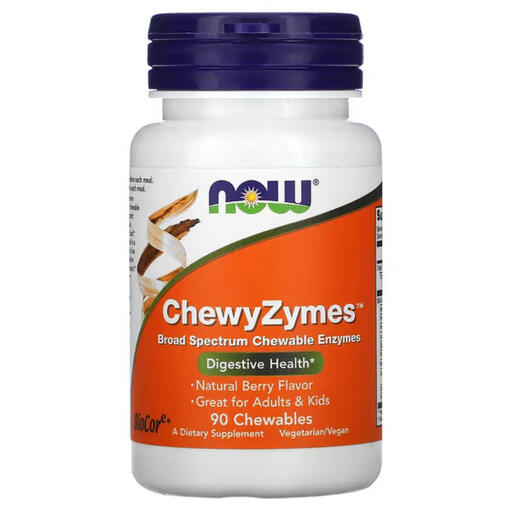
Why This Fits Their Persona: A chewable option for adults and children aged four and over who prefer meal-based digestive enzymes rather than daily probiotic or fibre products.
The label specifies different adult and child servings and identifies enzyme activities including amylase, protease, lactase and lipase.
Berry-flavoured chewable format; vegetarian and vegan-friendly information supplied; intended to be taken with or before meals.
We have compiled a complete, real-time list of products that fully satisfy these strict selection criteria and UK safety regulations.
Before ordering, compare the cost per daily serving, not just the pack price. A 30-capsule bottle may represent one month of use, while a powder or larger tub may have a different serving duration.
Also check:
For children, follow the stated age guidance exactly. Products designed for adults should not be shared with younger family members.
Shelf life varies by product. Capsules and dry powders generally need a cool, dry cupboard, while liquid probiotic products may require refrigeration and consumption within a stated period after opening. Always follow the packaging rather than assuming all probiotics have the same storage requirements.
Some products are designed to combine probiotics with prebiotic ingredients, while separate products may also be used together. Introduce one product at a time, follow each label and consider starting with a modest fibre amount to reduce the chance of temporary gas or bloating.
Some are labelled for children from a specified age, including certain gummies, chocolate formats and chewables. Others are for adults only. Check the minimum age, serving size, allergen information and choking warnings. If a child has a medical condition or takes regular medication, ask a healthcare professional before use.
Food supplements should be used as part of a varied, balanced diet and healthy lifestyle. Product formulations, ingredients and instructions can change, so check the current label before purchase and consumption.