Gym-goers planning a smoothie with a meal
Portion size matters if you also drink fruit or vegetable juice. The NHS advises a combined limit of 150ml a day for juice and smoothies, so a larger bottle need not be treated as one serving.


A 150ml no-added-sugar fruit smoothie is a practical gym-bag choice when its own storage instructions cover the time you will carry it. A larger chilled bottle needs refrigeration and deliberate portioning: the NHS advises limiting fruit juice and smoothies together to 150ml a day. No added sugar does not mean sugar-free; if carrying a drink without refrigeration matters more than having a smoothie, an ambient juice drink is a different option to consider.
The right format depends on when you will drink it, how long it will be in your bag and whether you specifically want a smoothie.
Portion size matters if you also drink fruit or vegetable juice. The NHS advises a combined limit of 150ml a day for juice and smoothies, so a larger bottle need not be treated as one serving.
Check the storage instructions for the exact pack and the time it will spend in your bag. Waitrose & Partners lists an out-of-fridge allowance for one innocent children’s pouch; Tesco Groceries instructs shoppers to refrigerate an innocent 250ml bottle at 0–8°C.
Read the ingredients as well as the no-added-sugar wording. Fruit smoothies can still contain naturally occurring sugars, while some no-added-sugar juice drinks contain sweeteners.
Start with the drink type and pack size, then check its sugar information and storage directions against your journey.
| Priority | What to check | Your needs |
|---|---|---|
| Sugar wording | Compare the no-added-sugar claim with sugars per 100ml and the amount you plan to drink. Read the ingredients if you want to avoid sweeteners. | I want to know what is in the drink, rather than treating “no added sugar” as “sugar-free”. |
| Portion size | Check the pack volume and whether you can portion a larger bottle. The NHS advises limiting fruit juice and smoothies together to 150ml a day. | A 150ml pack makes that amount straightforward; if I buy 250ml or more, I need to decide how much I will drink. |
| Storage | Read the exact pack’s refrigeration and unopened-storage instructions. Waitrose & Partners states that the innocent 150ml children’s pouch lasts up to 12 hours out of the fridge; Tesco Groceries says to keep the innocent 250ml bottle at 0–8°C. | My drink may sit in a gym bag during travel and a workout, so I need storage instructions that fit that plan. |
| Drink type | Check whether the label says smoothie or juice drink, and compare ingredients if oats, seeds or sweeteners matter to you. | If I specifically want a fruit smoothie, an ambient juice drink is not an interchangeable purchase, even when both say no added sugar. |
A smoothie made with fruit can contain sugars even when none has been added. The no-added-sugar wording alone does not tell you the amount in your portion.
Read sugars per 100ml on the nutrition panel and compare it with the volume you expect to drink. Check the ingredients separately for sweeteners.
A 250ml bottle or 750ml carton is larger than the NHS’s combined 150ml daily limit for fruit juice and smoothies.
Choose a pack size you can portion, or plan how you will store the remainder in line with its label.
Waitrose & Partners lists up to 12 hours out of the fridge for an innocent 150ml children’s pouch, while Tesco Groceries says the innocent 250ml bottle must be kept at 0–8°C. The pouch statement does not cover the bottle.
Follow the instructions on the pack you buy. If it must stay chilled, plan how you will keep it within those instructions while carrying it.
An ambient drink may suit a journey without chilled storage, but its label and ingredients can differ from those of a fruit smoothie. Tesco Groceries describes its no-added-sugar pineapple-and-coconut option as a juice drink with sweetener.
Decide whether the drink must be a smoothie before comparing portable alternatives.
These examples show why the exact drink and pack format matter more than a brand name alone.
Its listed fruit smoothies include a 150ml children’s pouch and a 250ml chilled bottle, both relevant to a no-added-sugar comparison.
Its no-added-sugar pineapple-and-coconut juice drink is an alternative to consider when an ambient drink is acceptable.
Revitalise Super Smoothie is an example to inspect if ingredients such as oat drink and linseed interest you.
Green Machine comes in a 750ml format, making portion size a consideration for this gym-bag question.
This option is a no-added-sugar juice drink for shoppers willing to choose an ambient drink instead of a fruit smoothie.
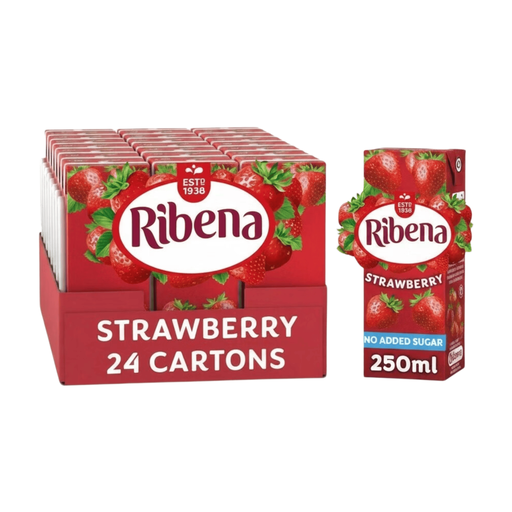 Image unavailable
Consider this carton if carrying a juice drink rather than a smoothie suits your plans. Each carton is 250ml, so decide how much you intend to drink in light of the NHS’s combined 150ml daily guidance for fruit juice and smoothies. Check the current pack for storage directions and sweeteners if either affects your choice.
No. A fruit smoothie can contain naturally occurring sugars without added sugar. Read the sugars figure on its nutrition panel alongside the pack volume to assess the amount you plan to drink.
The NHS advises limiting fruit juice and smoothies to a combined total of 150ml a day. A 150ml pouch matches that volume; a 250ml bottle or larger carton needs portioning if you are following that guidance.
Follow the exact pack’s storage instructions. Waitrose & Partners states that an innocent 150ml children’s pouch lasts up to 12 hours out of the fridge, whereas Tesco Groceries instructs shoppers to keep the innocent 250ml strawberries-and-bananas bottle at 0–8°C. The pouch allowance cannot be assumed for other packs.
No. A juice drink is a different product type. Tesco Groceries describes its no-added-sugar pineapple-and-coconut option as a juice drink with sweetener that can be stored unopened in a cool, dry place; check its ingredients if you are considering it instead of a smoothie.