Calorie-conscious gym-goers
If you plan to eat one whole bar, its per-bar calories matter alongside its weight. A smaller portion can have a lower calorie total without being less energy-dense per 100g.


For a smaller gym-bag snack, Tesco Groceries lists Graze Honey Oat Boost at 129 kcal per 30g bar, but it has 2.3g protein. If protein matters more, Nature Valley UK lists around 10g protein and 198 kcal per 40g Salted Caramel Nut bar, while TREK lists 10g protein and 219 kcal per 50g Original Oat bar. Compare the whole bar you intend to eat, then check its protein, fibre and current allergen statement; these examples do not establish which bar suits everyone.
If you plan to eat one whole bar, its per-bar calories matter alongside its weight. A smaller portion can have a lower calorie total without being less energy-dense per 100g.
If you want the bar to contribute protein, compare grams per bar as well as calories. The named Graze, Nature Valley and TREK examples differ on both measures.
Check the ingredients and allergen statement for the exact flavour and current pack. A vegan or gluten-free description does not answer every allergen question.
Start with the portion you will actually pack, then decide whether protein, fibre or particular ingredients change your choice.
| Priority | What to check | Your needs |
|---|---|---|
| Calories and portion | Read kcal per whole bar and its weight. Use energy per 100g to compare bars of different sizes; the documented examples weigh 30g, 40g and 50g. | I want to know the calories in the bar I will eat, not just whether its packaging makes it look small. |
| Protein and fibre | Compare grams per bar alongside calories. Nature Valley UK lists around 10g protein and 4g fibre in its 40g Salted Caramel Nut bar; TREK lists 10g protein in its 50g Original Oat bar. | If protein is important to me, I can compare what the whole bar provides with the size of snack I intended to pack. |
| Sugars and saturated fat | Check the exact bar’s nutrition panel rather than relying on words such as ‘protein’ or ‘fruit and nut’. Keep per-bar and per-100g figures distinct. | I would rather compare the label than assume a fruit-based bar or a protein bar has a particular nutrition profile. |
| Ingredients and allergens | Read the current ingredient list, highlighted allergens and any precautionary statement. Recheck when changing flavours or pack versions. | For an allergy or other dietary restriction, I need the information for the precise bar I am buying. |
In its November 2025 review of 458 snack bars from 10 major UK retailers, Action on Salt & Sugar reported that 37% were high in sugars and 55% were high in saturated fat under UK front-of-pack thresholds. Those are proportions of products assessed, not measures of shoppers’ preferences.
Check calories, sugars, saturated fat and serving size on the bar you intend to buy instead of judging it by its front-of-pack theme.
Tesco Groceries lists Graze Honey Oat Boost at 129 kcal per 30g bar; Nature Valley UK lists Salted Caramel Nut at 198 kcal per 40g bar; TREK lists Original Oat at 219 kcal per 50g bar. The per-bar totals describe different amounts of food.
Use kcal per bar for the snack you plan to eat, and check the per-100g figure when comparing bars of different weights.
TREK describes Original Oat as vegan and gluten-free, but also states that it may contain peanuts, nuts and milk. A dietary description does not cover every ingredient or precautionary allergen statement.
Read the current pack for the exact flavour, particularly if you are avoiding an allergen.
Alpen Muesli lists several Alpen Light Bar varieties among products it no longer makes. An older review or listing may therefore refer to a different purchasing situation.
Confirm current stock and pack nutrition information before making one of those bars part of your gym-bag plans.
These examples describe particular bars or ranges; a brand name alone does not establish the calories or ingredients of another flavour.
Honey Oat Boost is a 30g oat flapjack to consider when comparing smaller portions.
Its Salted Caramel Nut protein bar offers a different portion and protein amount from the smaller Graze example.
Older Alpen Light Bar references need a current-product check.
Tesco Groceries lists Eat Natural bars made with combinations of nuts, fruit and seeds, including a dark-chocolate mixed-seed and peanut variety.
Tesco Groceries describes Cocoa Orange as a dried-fruit-and-nut bar and lists a Cocoa Hazelnut protein-bar format.
Original Oat is a 50g oat-based protein flapjack described by TREK as vegan and gluten-free.
These Joybuy options include larger protein-bar packs and smaller Graze oat-bar packs for comparing gym-bag portions. Check the current nutrition and allergen information for the exact flavour before choosing.
 No image available
For a gym-bag protein-bar option, compare the nutrition per 50g bar with the smaller oat-bar portions. The pack contains 12 bars; check the current Double Chocolate allergen statement.
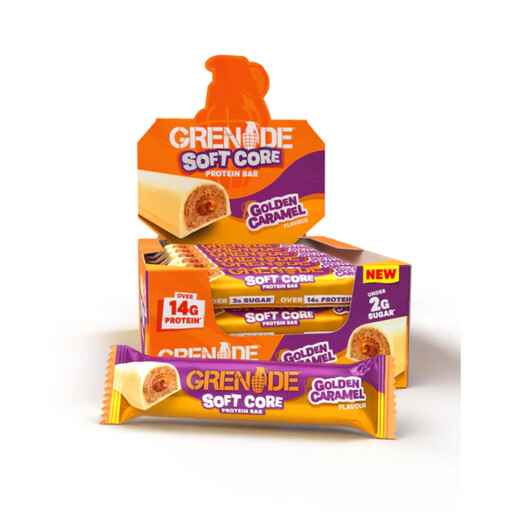 No image available
If you prefer a caramel-flavoured protein bar, compare the calories and protein for one 50g bar with the portion you intend to pack. This is a pack of 12; read the current Golden Caramel ingredients and allergens.
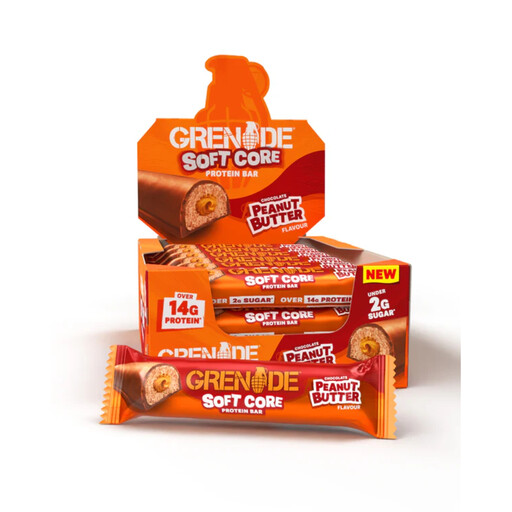 No image available
This peanut butter-flavoured option comes as 12 × 50g bars. Compare nutrition per bar if portion calories matter, and check the exact pack’s peanut and other allergen information.
 No image available
A 30g oat-bar portion offers a smaller packable unit than the 50g bars above. Compare its current per-bar calories, protein and allergen statement rather than applying figures from another Graze flavour.
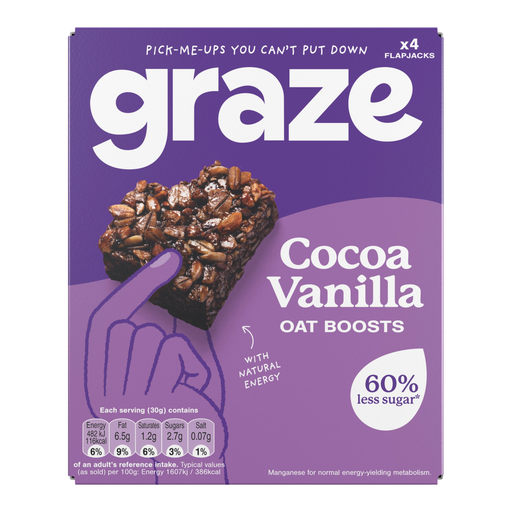 No image available
For a smaller cocoa-and-vanilla oat-square portion, compare the current calories and protein per 30g square. The ‘Protein Bites’ name alone does not tell you how much protein a portion contains; check the pack and its allergen statement.
No. Business Companion’s February 2025 UK guidance gives a limit of 40 kcal (170 kJ) per 100g for a ‘low calorie’ claim on solid food. A smaller bar can have fewer calories in the portion you eat without meeting that per-100g threshold, so compare the two figures separately.
Use per-bar calories to assess the whole snack you plan to pack, and per-100g energy to compare bars of different weights. The documented Graze Honey Oat Boost, Nature Valley Salted Caramel Nut and TREK Original Oat examples weigh 30g, 40g and 50g respectively.
Read the ingredient list, highlighted allergens and any precautionary statement on the exact current pack. This matters when changing flavours as well as brands; a general description such as ‘protein bar’ does not identify every ingredient.
Not necessarily: gluten-free describes gluten status, not the absence of other allergens. TREK states that its gluten-free Original Oat bar may contain peanuts, nuts and milk, so check its current pack against the specific ingredients you need to avoid.