After-training or between-meal snack shoppers
An individually wrapped bar makes it straightforward to see the protein and fibre in the portion you will eat. Compare its sugars and allergens as well as the front-of-pack description.


Choose a gym-bag snack bar by when you expect to eat it, then compare the nutrition for one complete bar rather than relying on its protein claim. University College London Hospitals NHS Foundation Trust advises considering carbohydrate, protein and minimal fat for a snack before exercise when you have not eaten a meal beforehand. For a later or between-meal snack, compare protein and fibre alongside sugars, portion size and the allergens on the individual wrapper.
The useful comparison changes with eating time, portion size and dietary requirements.
An individually wrapped bar makes it straightforward to see the protein and fibre in the portion you will eat. Compare its sugars and allergens as well as the front-of-pack description.
If the bar is for roughly 60–90 minutes before exercise and you have not eaten a meal 2–3 hours beforehand, consider University College London Hospitals NHS Foundation Trust’s guidance on carbohydrate, protein and minimal fat. Check the complete bar’s nutrition rather than assuming a protein bar fits that timing.
Vegan, gluten-free, dairy-free and no-added-sugar describe different things. Check the exact flavour’s ingredients, allergen information and sugars value before adding a multipack to your bag.
Start with when you will eat the bar, then compare the complete portion and its pack information.
| Priority | What to check | Your needs |
|---|---|---|
| Eating time | Check carbohydrate, protein and fat per bar. For a snack 60–90 minutes before exercise when no meal was eaten 2–3 hours earlier, consider the guidance from University College London Hospitals NHS Foundation Trust on including carbohydrate and protein with minimal fat. | Will I eat this before training, or am I packing it for afterwards or between meals? The timing changes which parts of the nutrition panel matter to me. |
| Whole-bar nutrition | Compare serving weight, protein, fibre, sugars, saturated fat and energy for one complete bar. For example, Sainsbury’s lists 9.8g protein and 12g sugars for a 50g TREK Biscoff flapjack; Tesco lists 7.2g protein, 7.2g fibre and 13g sugars for a 45g nākd. Cocoa Hazelnut bar. | A larger bar may suit the portion I want, but I want to compare the amounts I will actually eat—not figures for different serving sizes. |
| Ingredients and labels | Read the exact wrapper’s ingredients, highlighted allergens and any precautionary statement. Check a no-added-sugar claim against the sugars figure; it does not mean sugar-free. | If I need to avoid an ingredient, a vegan or gluten-free label on its own does not answer my allergen question. |
| Bag-ready portion | Confirm the number and weight of individually wrapped bars, the pack’s storage instructions and its best-before date. | I want one portion I can take from the multipack and keep in my bag under the storage conditions printed on its wrapper. |
Protein does not describe the whole portion. The documented bars also differ in serving weight, fibre, sugars and saturated fat, which matter when comparing options for a particular eating time.
Read the per-bar figures together. If the bar is for before exercise, consider University College London Hospitals NHS Foundation Trust’s guidance on carbohydrate, protein and minimal fat rather than judging it by protein alone.
A vegan or gluten-free bar can still contain an ingredient you need to avoid. A no-added-sugar bar can still list sugars in its nutrition panel.
Check the exact flavour’s ingredients, allergen information, precautionary statement and per-bar sugars value on the wrapper.
Ingredients and nutrition can differ between flavours or change when a recipe is reformulated.
Before packing a multipack, check the flavour, portion size, current wrapper and best-before date on the product received.
These ranges illustrate different bar formats and label checks; compare the exact product rather than treating a brand name as a nutrition specification.
Its Protein Peanut & Chocolate and Protein + Fibre Coconut & Almond bars offer different per-bar protein and fibre figures.
The Biscoff Protein Flapjack is a vegan, oat-based 50g portion.
Its Cocoa Hazelnut Protein Bar is a 45g fruit-and-nut option described as vegan, gluten-free, dairy-free and no added sugar.
Protein Packed with Peanuts and Chocolate is a 40g peanut-and-chocolate bar.
Graze describes its snack range in terms of plant protein and fibre, but those range-wide descriptions do not establish the contents of an individual bar.
Alpen’s official product-range page describes muesli products. If considering an Alpen bar, compare that specific pack rather than the muesli range.
These Joybuy listings cover protein bars and a flapjack in single-bar portions or multipacks for a gym bag. Check the exact flavour and wrapper when choosing between their portion sizes and ingredients.
 No image available
A 40g bar is one portion to pack for later. Check this flavour’s per-bar nutrition and ingredients before comparing it with other Nature Valley varieties.
 No image available
Each bar is a 40g portion. The Joybuy product description states 10g protein per bar; Nature Valley UK describes approximately 4g fibre for the Peanut & Chocolate bar. Check the wrapper for current nutrition and for peanut, soy, milk and precautionary allergen information.
 No image available
These 50g bars offer a larger listed portion than the 40g options here. Compare the exact wrapper’s protein, sugars, fibre and allergens before deciding when to pack one.
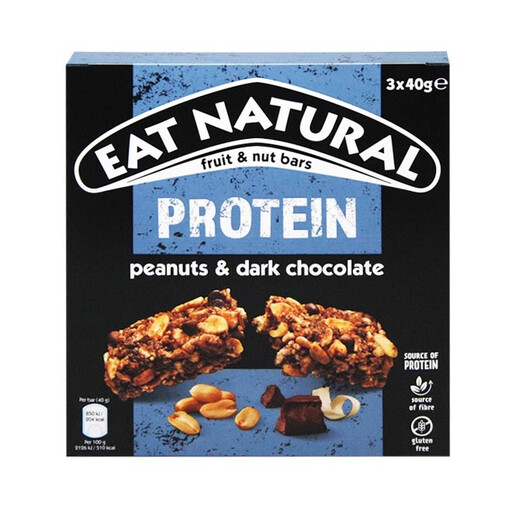 No image available
This three-pack provides 40g portions for a gym bag. Check the received pack’s nutrition and peanut, soy and other allergen information for this exact bar.
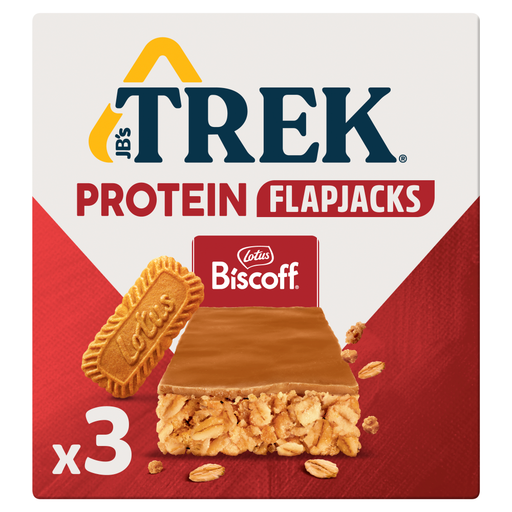 No image available
This oat-based flapjack is a 50g portion. Sainsbury’s lists 9.8g protein and 12g sugars for the Biscoff flavour; it contains wheat and soy. Check the wrapper’s current nutrition and precautionary allergen statement.
Choose according to when you will eat it and what else is in the bar. For a snack 60–90 minutes before exercise when you have not eaten a meal 2–3 hours beforehand, University College London Hospitals NHS Foundation Trust advises considering carbohydrate and protein with minimal fat. For a later snack, compare the complete bar’s protein, fibre and other nutrition figures.
No. Tesco lists 13g sugars per 45g nākd. Cocoa Hazelnut Protein Bar despite its no-added-sugar description. Check the sugars figure for the complete bar.
Not on the strength of that label alone. The nākd. Cocoa Hazelnut bar is described as vegan and gluten-free but contains peanuts and hazelnuts. Read the exact wrapper’s ingredients and precautionary allergen statement.
Follow the storage instructions on its wrapper and check the best-before date on the pack. Product information for the Nature Valley, TREK and nākd. examples calls for cool, dry storage, so consider where the bag will be kept.