Adults packing a smaller can
If you want a 250 ml drink alongside gym-bag snacks, Red Bull lists 80 mg of caffeine per can of Red Bull Zero. Its smaller format makes the amount in one can straightforward to compare with your other caffeine sources.


A 250 ml Red Bull Zero can is a smaller zero-sugar choice with 80 mg of caffeine; a 500 ml Monster Ultra can offers a larger zero-sugar serving with 150 mg. If you prefer a drink containing sugar, compare the exact can’s nutrition label, and whichever format you choose, account for caffeine from coffee, tea and other products too.
If you want a 250 ml drink alongside gym-bag snacks, Red Bull lists 80 mg of caffeine per can of Red Bull Zero. Its smaller format makes the amount in one can straightforward to compare with your other caffeine sources.
If you prefer a 500 ml sparkling drink without sugar, Monster Energy lists 0 g sugar and 150 mg of caffeine per can of Monster Ultra. Count the whole can when considering your caffeine intake.
Conventional sparkling options include Red Bull Original and Relentless Origin. Compare sugars and caffeine for the exact flavour and full can size rather than assuming that drinks of the same volume have the same contents.
Start with the amount you intend to drink, then compare caffeine and sugars for that entire can.
| Priority | What to check | Your needs |
|---|---|---|
| Caffeine | Read the amount per full can, not just per 100 ml. Red Bull lists 80 mg in 250 ml of Zero; Monster Energy lists 150 mg in 500 ml of Ultra. | I want to know how this can fits alongside any coffee, tea or pre-workout product I also use. |
| Sugars | Check sugars for the exact flavour and can size. Monster Energy lists 0 g for a 500 ml Ultra can, while Red Bull lists 27 g for a 250 ml Original can. | A zero-sugar formulation matters to me, or I would rather choose a drink containing sugar with its amount clearly labelled. |
| Can size | Compare 250 ml, 355 ml and 500 ml cans by what you intend to drink. A larger volume does not tell you the caffeine amount without its label. | For my gym bag, I would prefer a smaller can, or I specifically want a larger serving. |
| Label warnings | Read the warning on the exact drink, particularly for children, pregnancy, breastfeeding or caffeine sensitivity. Do not treat general adult caffeine guidance as an individual recommendation. | I need to check whether the label advises against this drink for me or someone I am buying for. |
The amount in a full can changes with its size. Lucozade states that Alert contains 32 mg per 100 ml, or 160 mg in a 500 ml can.
Check the full-can amount and include caffeine from other drinks or products you use.
Monster Energy lists 0 g sugar for a 500 ml Ultra can, whereas Red Bull lists 27 g sugars for a 250 ml Original can.
Read the nutrition panel for the exact flavour and size; if considering a zero-sugar option, check its ingredients too.
Sainsbury’s product information for Relentless Origin says it is not recommended for children, pregnant or breastfeeding women, or people sensitive to caffeine.
Check the warning on the can before putting it in a gym bag for yourself or someone else.
Red Bull lists 250 ml Original and Zero cans for shoppers comparing a smaller serving.
Monster Ultra is a 500 ml zero-sugar option in the brand’s UK range.
Relentless Origin is a carbonated 500 ml drink containing sugar, listed by Sainsbury’s.
Alert is Lucozade’s sparkling, high-caffeine range.
These multipacks offer different can sizes to consider for a gym bag, including 250 ml, 355 ml and 500 ml formats. Check each listed flavour’s label for caffeine and sugars before choosing.
 No image available
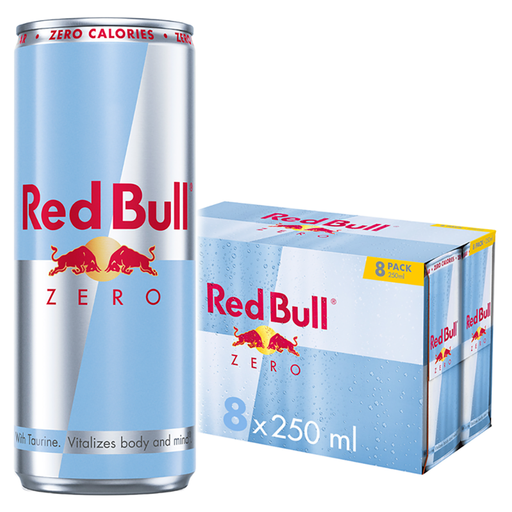
A smaller zero-sugar can to pack with snacks. Red Bull lists 80 mg of caffeine per 250 ml can of Zero; include other caffeine sources when deciding whether it suits you.
 No image available
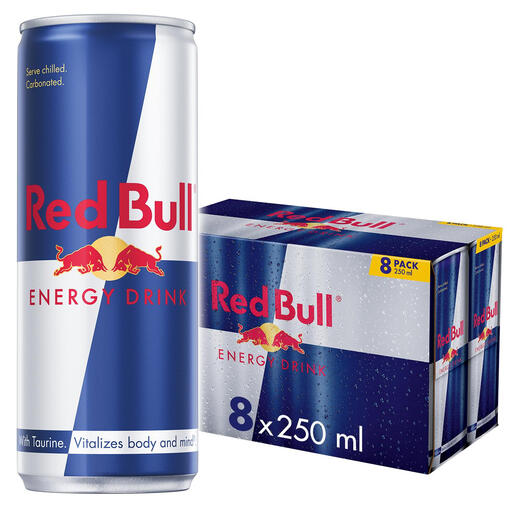
A smaller can if you prefer Red Bull’s Original drink rather than Zero. It contains sugar; check the multipack’s nutrition panel for the amount in each can.
 No image available
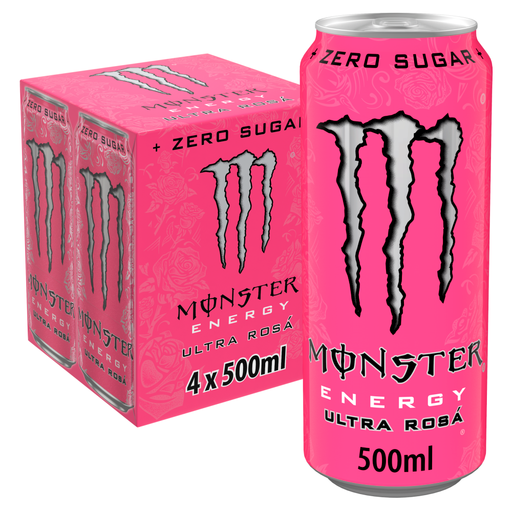
A larger can format to consider if 500 ml suits what you intend to pack and drink. Check the caffeine and sugars on the Ultra Rosa label rather than applying figures from another Ultra flavour.
 No image available
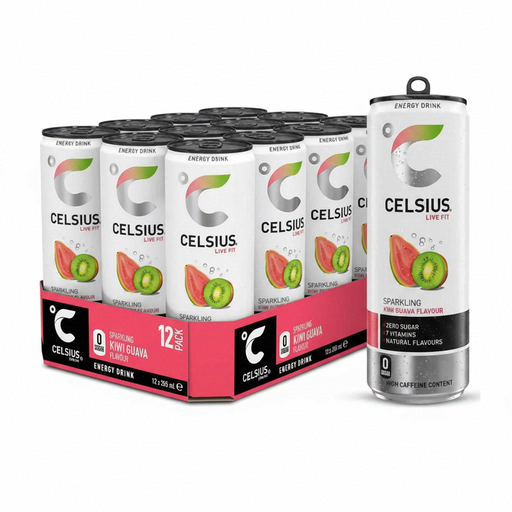
The 355 ml can sits between the smaller and larger formats above. If you want a sparkling drink for your gym bag, confirm the formulation and read this flavour’s caffeine and sugars information before choosing.
Count the full can alongside caffeine from coffee, tea, pre-workout products and other sources. In its 2015 safety assessment, the European Food Safety Authority said single doses up to 200 mg and daily intakes from all sources up to 400 mg do not raise safety concerns for adults in the general population, except pregnant women; that assessment is not individual advice.
No: can size alone does not establish the caffeine dose. Red Bull lists 80 mg in a 250 ml Zero can, Monster Energy lists 150 mg in a 500 ml Ultra can, and Lucozade states that a 500 ml Alert can contains 160 mg. Check the exact product and its full-can serving.
The Department of Health and Social Care and Department for Education announced in July 2026 that sales of high-caffeine energy drinks to under-16s in England are due to be banned from April 2027, subject to Parliamentary approval. That planned England timetable is not a statement about the rules elsewhere in the UK.