
24/7 全天候客户支持

免费退货

当日/次日达

品质保障

开启新人专享福利: 全场免邮 | 低至 2 折 | 免费试用 30 天 JoyPlus 会员
下载 Joybuy
Creating a dedicated workout space at home is a practical step towards your fitness goals. But before you unbox that new treadmill or set of weights, it’s crucial to consider the ground beneath your feet. The right flooring not only protects your property from scuffs and impacts but also provides a stable, safe surface for your exercises. Choosing can be confusing, with so many materials and styles available.
As a Joybuy Product Recommendation Officer, my role is to help you navigate these options. This guide will walk you through the key considerations for selecting gym flooring tiles and highlight a few versatile choices to suit different home setups across the UK.
Finding the right surface depends on your workout style, the space you have and your budget. Here are a few practical points to keep in mind.
The material is the most significant factor, dictating durability, comfort and function.
thick foam floor tiles are a popular choice for general home gym flooring UK. They are lightweight, provide excellent cushioning for bodyweight exercises, yoga or martial arts, and are often designed as interlocking gym mats for incredibly simple installation. They absorb impact well and are comfortable underfoot.rubber flooring tiles are a more robust option. They are extremely durable, offer superior shock absorption and provide excellent protective mats for gym equipment like squat racks and benches. This makes them a prime candidate for serious garage gym flooring.The thickness of your exercise floor mats directly relates to the level of protection and cushioning they provide. A standard 1.2cm thickness is generally sufficient for most home workouts, offering a good balance of comfort and stability. If you plan on dropping heavy dumbbells or kettlebells, you may want to look for thicker, denser rubber options to prevent damage to your subfloor.
Consider how easy the flooring is to install and whether you need a permanent or temporary solution. Interlocking gym mats are brilliant for their flexibility; you can assemble them in minutes and easily change the layout or move them to another room. Peel-and-stick tiles offer a more permanent, seamless finish but require a clean, smooth and dry surface for proper adhesion.
Here are a few recommendations that cater to different needs, from dedicated workout zones to multi-functional living spaces.
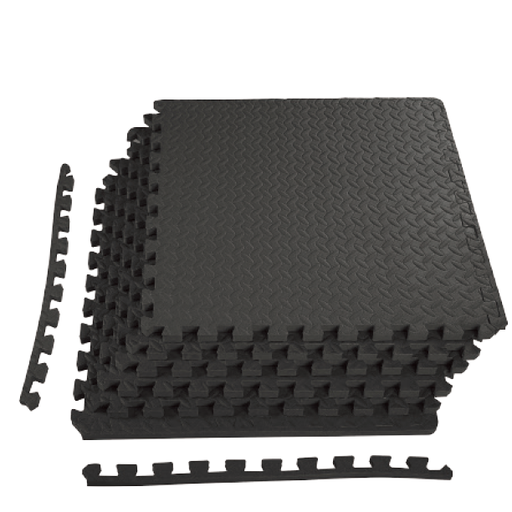
Why It Stands Out: This is a classic, no-fuss solution for anyone serious about creating a functional workout area. Made from high-quality PE foam, these interlocking tiles are designed for performance. The 1.2cm thickness provides substantial cushioning to protect your joints during high-impact activities and safeguards your floor from equipment.
protective mats for gym equipment.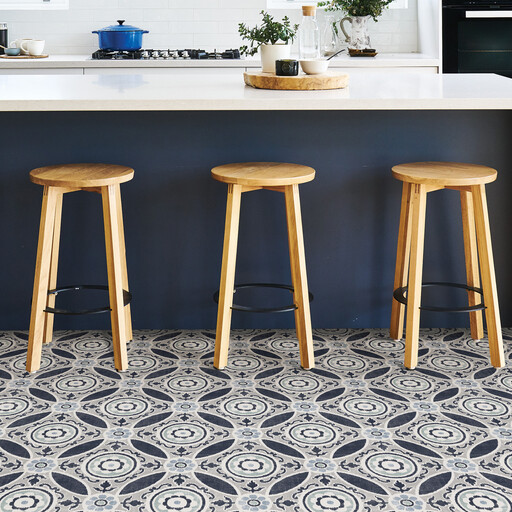
Why It Stands Out: Not all workout spaces look like a commercial gym. If your exercise area doubles as a utility room, hallway or kitchen, these vinyl tiles offer a blend of style and practicality. The peel-and-stick application makes for a straightforward, permanent installation without needing grout or special tools.
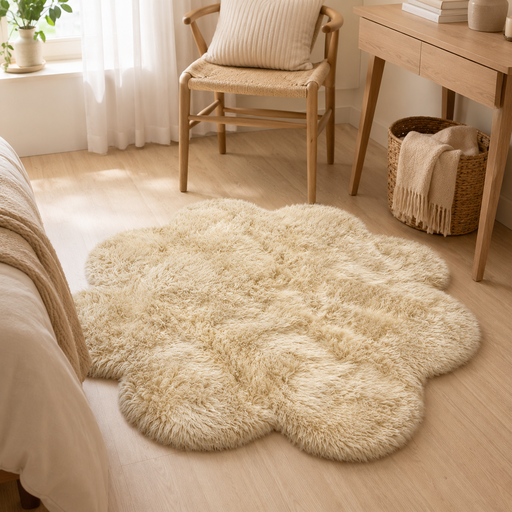
Why It Stands Out: This option redefines the idea of an exercise floor mat. While not a traditional gym tile, its plush, high-pile faux wool texture and large size make it a fantastic centrepiece for a low-impact wellness zone. It’s perfect for defining a space dedicated to stretching, meditation or gentle yoga.
These recommendations cover a range of specific uses, but every home is different. If you're still exploring different materials or styles, from durable rubber to soft foam, browse our full collection of cushioned flooring to find the perfect match for your space.
Can I put gym equipment on foam floor tiles? Yes, for most light to moderately heavy equipment. Thick foam floor tiles, especially those around 1.2cm, offer good protection. However, for very heavy items like a fully loaded squat rack, the foam can compress over time. To prevent indentations, you can place a small piece of plywood under the equipment's contact points to distribute the weight more evenly.
How do I clean interlocking gym mats? Maintenance is simple. You can vacuum them regularly to remove dust and debris. For a deeper clean after a workout, wipe them down with a damp cloth and a mild, non-abrasive cleaning solution. Ensure the tiles are completely dry before using them again to maintain a non-slip surface.
Are gym flooring tiles only for gyms? Not at all. Their durability, cushioning and ease of installation make them a versatile solution for many areas of the home. They are frequently used for garage gym flooring, children's playrooms, workshops and utility areas where you might be standing for extended periods.