
24/7 Customer Support

Free returns

Same-day & Next-day Delivery

Quality Guaranteed

Unlock Your Welcome Offers: FREE Delivery | Up to 80% OFF | Free 30-day JoyPlus trial
Download the APP
Driving at night on poorly lit roads can be a stressful experience. Your vehicle's standard halogen headlights often cast a dim, yellowish light that does little to inspire confidence. This has led many UK drivers to consider a car headlight upgrade, with the H1 LED headlight bulb being a popular choice. However, the market is flooded with options, and making the wrong choice can lead to wasted money, a failed MOT and even a safety hazard.
As the Joybuy Product Recommendation Officer, my role is to help you navigate this complex market. This guide will highlight the common pitfalls to avoid and break down the essential features you need to look for in a quality H1 LED conversion kit.
Before you buy, be aware of these common issues that catch out many UK car owners:
To ensure you get a safe, effective and legal upgrade, focus on these three technical aspects.
The single most important feature of any H1 bulb replacement in the UK is its ability to replicate the precise beam pattern of the original halogen bulb.
Colour temperature is measured in Kelvin (K) and determines the colour of the light. This is not just about aesthetics; it affects visibility in different conditions.
LEDs generate heat, and managing that heat is crucial for their longevity and performance. An overheating bulb will dim and fail prematurely.
Based on these practical criteria, we've matched some reliable options to different types of UK drivers.
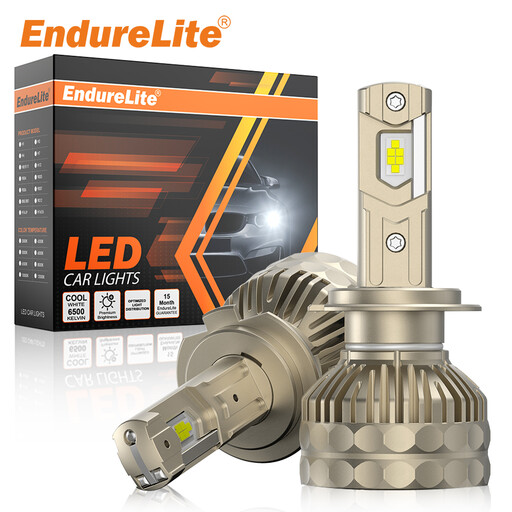
Why This Fits Their Persona: An excellent balanced choice for those who drive a mix of city streets and motorways. It provides a significant, noticeable improvement in visibility for daily driving without being overly aggressive.
Its "Same Size as Stock Bulbs" design directly addresses the fitment issue, ensuring a true plug-and-play installation. The design focuses on matching the stock beam pattern to prevent glare.
Features a built-in intelligent driver for high vehicle compatibility, reducing the risk of CANbus errors. The 6000K cool white colour provides a modern look and clear visibility.
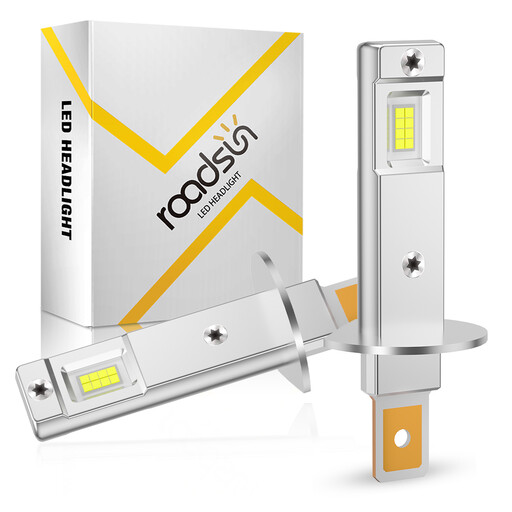
Why This Fits Their Persona: Ideal for those who frequently drive on unlit B-roads and in the countryside. The priority here is maximum forward illumination to spot hazards like deer or potholes from a greater distance.
Despite its high brightness claims, it specifically mentions an "optimised beam pattern" and "anti-glare design" to counter the pitfall of uncontrolled light scatter, focusing the output onto the road.
The 6500K light offers strong penetration in poor weather. Its 1:1 mini size promises a very straightforward, 3-minute installation for the average DIYer.
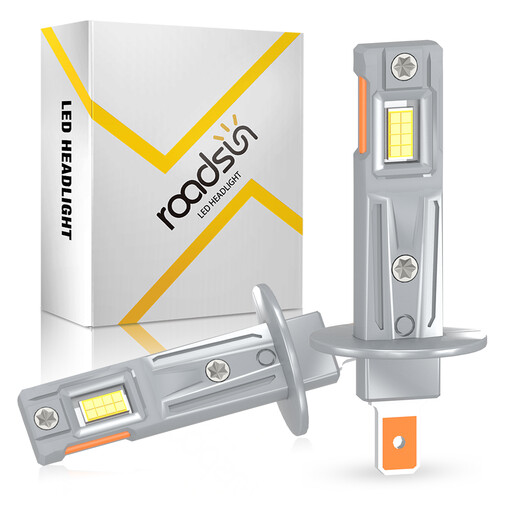
Why This Fits Their Persona: Perfect for the driver specifically looking to upgrade their H1 fog light bulb for better performance in adverse weather. The focus on "strong penetration" is key for cutting through fog, rain and snow.
The 1:1 mini size ensures it will fit into the often-cramped fog light housings where larger, fan-cooled bulbs might fail. The plug-and-play design simplifies what can be an awkward installation.
It has an IP67 waterproof rating and a wide operating temperature range, making it a durable, all-weather choice. It can also function as a turn signal in some compatible vehicles.
We have compiled a complete, real-time list of products that fully satisfy these strict selection criteria and UK safety regulations.
As of 2026, the rules for retrofitting LED bulbs into cars originally fitted with halogen units are strict. For a vehicle to pass its MOT, the LED bulb must not only fit safely but also maintain the original beam pattern with a clear cut-off to avoid dazzling other road users. It is the user's responsibility to ensure their car headlight upgrade is compliant. Always choose bulbs that are specifically designed to mimic the halogen beam pattern.
While many modern H1 LED bulbs are advertised as "CANbus ready" and work flawlessly on most vehicles, some cars (particularly from German brands like BMW, Audi and Mercedes-Benz) have highly sensitive monitoring systems. If you install a bulb and experience flickering or a dashboard error, you may need to fit an additional CANbus decoder, which is a simple plug-in resistor.
Manufacturers often quote lifespans of 50,000 hours or more. While the LED chips themselves can last this long, the real-world lifespan is determined by the effectiveness of the cooling system. A bulb with a quality fan or a large aluminium heat sink that can effectively dissipate heat will maintain its brightness and last significantly longer than a poorly cooled one. A realistic expectation for a quality bulb is several years of regular use.