
24/7 Customer Support

Free returns

Same-day & Next-day Delivery

Quality Guaranteed

Unlock Your Welcome Offers: FREE Delivery | Up to 80% OFF | Free 30-day JoyPlus trial
Download the APP
Upgrading your car's standard halogen bulbs to modern H11 LED headlight bulbs is one of the most impactful changes you can make for night-time driving. The goal is simple: achieve brighter, clearer visibility for enhanced safety and a sleek, contemporary look. However, the market is filled with confusing claims and technical jargon that can lead to a frustrating and costly purchase.
As a Joybuy Product Recommendation Officer, my role is to help you navigate this landscape. We will look past the marketing clutter and focus on the practical details that determine whether a car light upgrade is a success or a disappointment. Before you spend your money, let's uncover the common pitfalls many UK drivers fall into.
To ensure you get the performance and reliability you expect, focus on these three core parameters.
A genuine plug and play installation means more than just the electrical connector. The entire bulb unit must fit within the space occupied by the original halogen.
The goal of bright car headlights is to illuminate the road, not to blind oncoming traffic.
CANbus (Controller Area Network) is the internal computer system that monitors your vehicle's functions, including the lights.
Instead of a generic list, we have matched specific bulbs to different types of UK drivers, ensuring the recommendation aligns with your priorities.
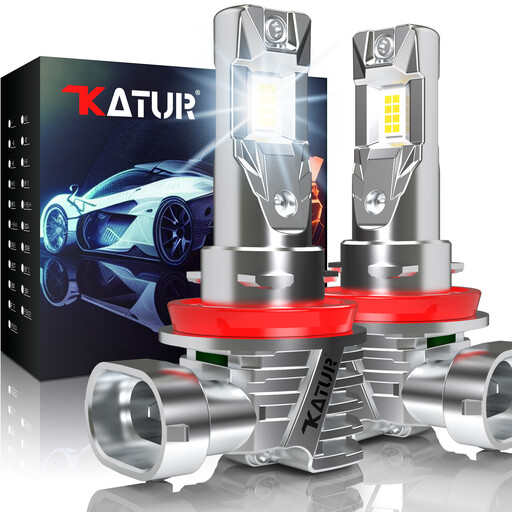
Why This Fits Their Persona: For the driver who wants a straightforward upgrade without any complications. This bulb is ideal for those with tight headlight housings where a fan-cooled model simply won't fit.
It directly counters the "1:1 Mini Size Deception." Its fanless, all-in-one design is genuinely compact, ensuring it fits and allows the dust cap to be replaced without issue.
Silent Operation: The fanless design means no noise. Simple Installation: A true plug-and-play experience with no external parts to worry about.
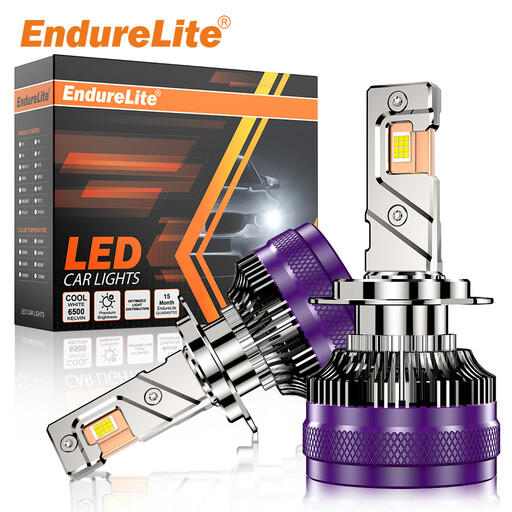
Why This Fits Their Persona: Perfect for the daily driver who relies on their vehicle and cannot afford premature bulb failure. This user prioritises long-term performance and durability over all else.
This bulb tackles the "Unrealistic Lifespan" trap by detailing its cooling system: an aerospace aluminium body and a high-speed 12,000 RPM fan to actively manage heat.
Active Cooling: The powerful fan ensures stable brightness and contributes to a longer operational life. IP68 Waterproofing: Provides resilience against the UK's varied weather conditions.
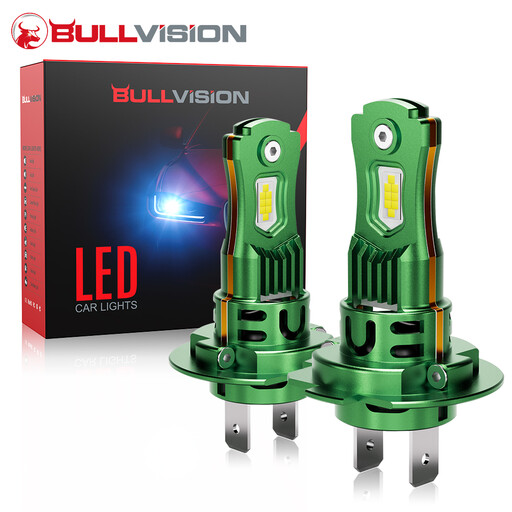
Why This Fits Their Persona: This recommendation is for owners of vehicles with sensitive electronics, such as those from Volkswagen, BMW or Mercedes-Benz, who are rightly concerned about compatibility issues.
It confronts the "Universal CANbus Myth" head-on. The product description is transparent, stating that an additional CANbus decoder is required for certain European makes.
Honest Compatibility: This transparency saves the user time and frustration by setting clear expectations from the start, preventing the common issue of unexpected dashboard errors.
We have compiled a complete, real-time list of products that fully satisfy these strict selection criteria and UK safety regulations.
Yes, in most cases. The H11, H8 and H9 LED bulb types all share the same physical L-shaped locking base. In their original halogen form, they had different wattages and light outputs. However, most aftermarket LED replacements are designed with a universal fitment that allows them to be used interchangeably as a direct replacement for any of these three bulb types. Always confirm compatibility in the product description.
For most vehicles, no. The majority of H11 LED bulbs are designed for a simple 'plug and play' installation that a DIY enthusiast can complete in minutes. The process typically involves removing the old bulb and plugging the new one in. However, if your car's headlight housing is difficult to access, or if you are not comfortable working on your vehicle, consulting a professional mechanic is always a sensible choice.
No, it is the opposite. LED technology is significantly more energy-efficient than halogen. An LED bulb can produce several times more light (lumens) while consuming less power (watts). This means upgrading to bright car headlights actually reduces the electrical load on your car's alternator and battery compared to the old halogen bulbs.