
24/7 Customer Support

Free returns

Same-day & Next-day Delivery

Quality Guaranteed

Unlock Your Welcome Offers: FREE Delivery | Up to 80% OFF | Free 30-day JoyPlus trial
Download the APP
Driving with dim, yellowing halogen headlights on a dark, rainy British B-road can be a nerve-wracking experience. It’s no surprise that many UK drivers are looking to upgrade to a modern H4 LED headlight bulb kit. The promise is tempting: improved visibility, enhanced safety and a crisp, contemporary look for your vehicle.
However, the market is flooded with options, and it's easy to make a costly mistake. As a Joybuy Product Recommendation Officer, my role is to help you see through the marketing clutter. Before you buy, be aware of these common pitfalls that can lead to wasted money, MOT failures or even dangerous driving conditions.
To ensure you get a reliable and effective car headlight upgrade kit, focus on these three non-negotiable parameters.
The single most critical factor for an H4 LED bulb (also known as a 9003 HB2 LED bulb) is its ability to replicate the precise beam pattern of a traditional halogen bulb. H4 bulbs have two filaments—one for the dipped beam and one for the main beam. A quality LED replacement will have its chips positioned to mimic this layout exactly. This ensures the light is correctly focused by your car's existing reflector housing, creating a sharp, flat cut-off on the dipped beam. This prevents dazzling other road users and is essential for passing an MOT inspection. Look for bulbs described as having a "1:1 halogen design" or "perfect beam pattern".
Colour temperature, measured in Kelvin (K), determines the colour of the light. Old halogen bulbs are typically around 3200K, producing a yellowish light. Most bright white headlight bulbs fall within the 6000K to 6500K range, which emits a crisp, white light similar to daylight. This colour improves contrast and makes road markings and signs appear clearer. While bulbs advertised with higher Kelvin ratings (e.g., 8000K) produce a blue-tinted light, this can actually reduce visibility in rain or fog and may attract unwanted attention. For the best balance of style and performance on UK roads, a 6000K-6500K bulb is a solid choice.
LEDs generate significant heat, and managing it is vital for their lifespan and performance. There are two main types of cooling systems:
Based on these practical criteria, we've matched some H4 LED options to different types of UK drivers.
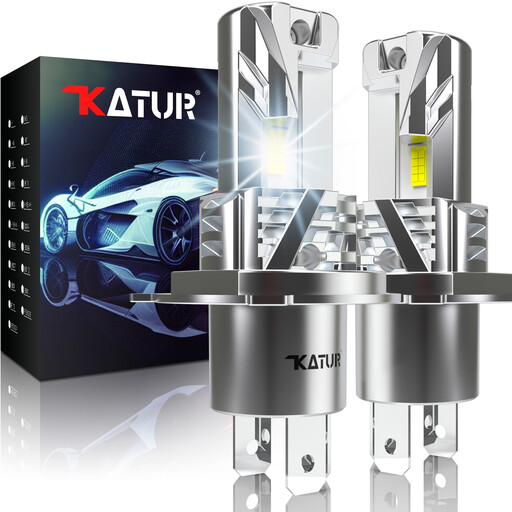
Why This Fits Their Persona: Ideal for the car owner who wants a straightforward, no-fuss upgrade. The compact, fanless design makes it a great choice for vehicles with limited space behind the headlight housing, a common issue in many hatchbacks and city cars.
Its 1:1 mini halogen design directly counters the "Simple Fit" misconception. The lack of an external driver or bulky fan means it's more likely to fit without needing to modify the dust cover, preserving the headlight's seal.
Fanless and Silent: No moving parts to fail or create noise. Compact Size: Designed for easy installation in tight spaces.
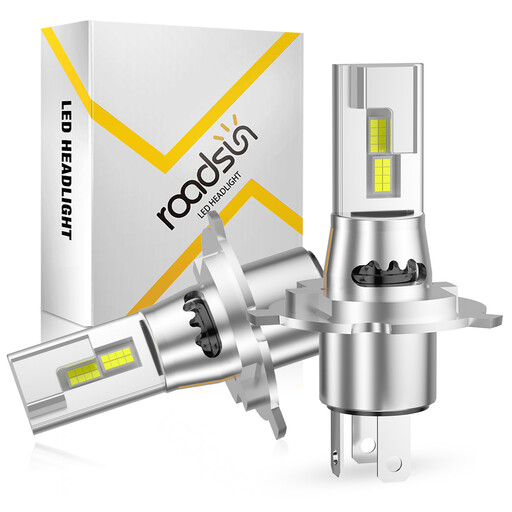
Why This Fits Their Persona: This is for the driver who frequently travels on unlit country roads and prioritises maximum illumination and long-term durability. The active cooling system is designed to sustain high performance over long periods.
While it boasts high brightness, its focus on a 1:1 halogen size helps avoid the "Blinding Brightness" trap by ensuring the light is directed correctly. The high-speed fan and IP68 rating provide a robust solution for sustained use.
Active Cooling: A 16,000 RPM fan provides efficient heat dissipation for consistent brightness. IP68 Waterproof: High level of protection against water and dust ingress.
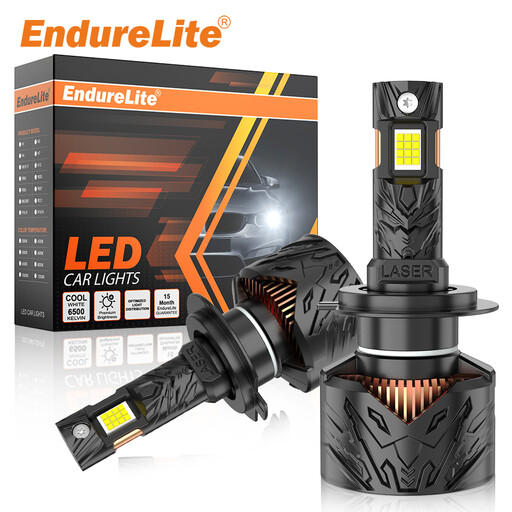
Why This Fits Their Persona: This is for the daily commuter who drives a variety of roads and needs a reliable, balanced upgrade. It offers a significant brightness increase over halogen, combined with features aimed at broad vehicle compatibility and longevity.
It directly addresses the "Flickering & Error Code" frustration by including a built-in intelligent driver and CANbus-ready design, aiming for compatibility with the vast majority of vehicles without extra hardware.
Broad Compatibility: The CANbus-ready design reduces the risk of errors on modern cars. Balanced Performance: Combines an efficient fan cooling system with a well-defined beam pattern.
We have compiled a complete, real-time list of products that fully satisfy these strict selection criteria and UK safety regulations.
The legality of aftermarket LED headlight bulbs in the UK is a nuanced topic. For a replacement bulb to be road legal, it must be E-marked and must not alter the original beam pattern or cause glare. Many kits are sold for "off-road use only". To maximise your chances of passing an MOT and ensure you are not a hazard to others, it is vital to select a high-quality bulb that is specifically designed to replicate the halogen beam pattern accurately. Always check the latest DVSA guidelines before purchasing and fitting.
This depends on your vehicle's make, model and year. Many modern cars, particularly from European manufacturers, use a CANbus system that monitors the electrical current to the bulbs. Because LEDs draw less power, the system can misinterpret this as a fault. This can trigger a dashboard warning light or cause the lights to flicker. While many H4 LED headlight bulbs now include built-in CANbus-ready drivers to prevent this, some highly sensitive vehicle systems may still require an additional external decoder to function correctly.
For most cars, the installation is a simple DIY job. It typically involves opening the bonnet, removing the headlight dust cover, unclipping the old bulb and fitting the new one in its place. The main challenge is often physical space. Before buying, it's a good idea to check how much room you have behind your existing bulb. Ensure the new LED bulb, including its heat sink or fan, will fit comfortably inside the housing and allow you to securely refit the dust cover to maintain a waterproof headlight replacement.