
24/7 Customer Support

Free returns

Same-day & Next-day Delivery

Quality Guaranteed

Unlock Your Welcome Offers: FREE Delivery | Up to 80% OFF | Free 30-day JoyPlus trial
Download the APP
Upgrading your car's standard halogen headlights can feel like one of the most impactful changes you can make. A modern set of H4 LED headlight bulbs promises not just a brighter, clearer view of the road ahead, but also a longer lifespan and a sharper, more contemporary look for your vehicle.
However, the market is flooded with options, and many drivers in the UK find themselves caught out by a few common traps. Misleading brightness figures, compatibility issues that trigger dashboard warnings and poor construction can turn a simple upgrade into a frustrating and costly exercise. Before you buy, it’s crucial to understand what really matters.
As a Joybuy Product Recommendation Officer, my role is to help you navigate these choices by focusing on the practical features that deliver genuine value and performance on UK roads.
Many products make bold claims, but a few key design flaws can render them ineffective or even illegal for UK road use. Here’s what to watch out for:
To ensure you get a reliable and effective upgrade, focus on these three non-negotiable specifications.
The single most important factor for a road-legal and safe LED upgrade is the beam pattern. To achieve the correct light distribution, an LED bulb must mimic the precise filament position of the original halogen bulb it's replacing.
Look for bulbs that specify a 1:1 halogen design or have ultra-thin chip spacing. This ensures the light is correctly focused by your car's headlight housing, creating a sharp cut-off line for the low beam. This prevents dazzling other road users and concentrates the light where you need it—on the road. A proper h4 high low beam led bulb will provide a distinct and correct pattern for both settings.
To avoid the dreaded dashboard warning light, you need a bulb that communicates correctly with your car's computer. High-quality plug and play led headlight bulbs have an intelligent driver and CANbus decoder built directly into the unit.
Check the product description for compatibility claims, specifically looking for mentions of "98% or 99% vehicle compatibility" and built-in decoders. Be aware that some highly sensitive vehicles, particularly certain German models, may still require an additional external decoder. A reputable seller will usually mention this possibility.
An LED's longevity is directly tied to its ability to dissipate heat. There are two main types of cooling systems:
Both can be effective, but a robust cooling system is a clear indicator of a well-engineered bulb designed for a long service life.
Instead of a single "best" option, the right choice depends on your vehicle, driving habits and priorities. Here are a few recommendations matched to different UK driver profiles.
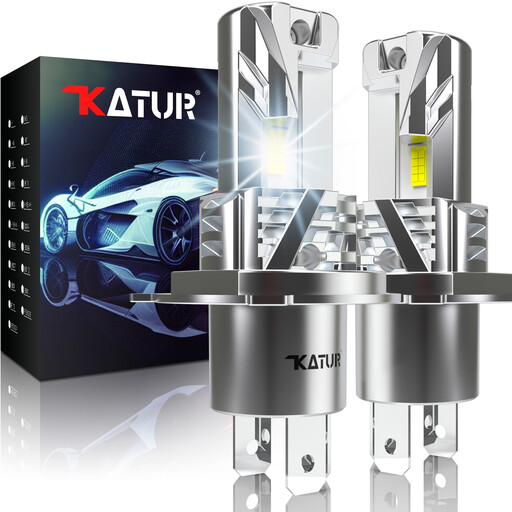
Why This Fits Their Persona: Ideal for the DIYer seeking a straightforward, cost-effective improvement over dim halogen bulbs. The fanless, compact design makes it a simple plug and play led headlight bulb, perfect for vehicles with tight spaces behind the dust cap.
The fanless design eliminates the risk of fan failure, a common point of weakness in cheaper bulbs. Its 1:1 mini halogen size helps ensure a correct beam pattern, avoiding the glare trap.
Silent operation and simple installation with no external drivers. The 6000k car bulbs provide a clean, white light for improved visibility.
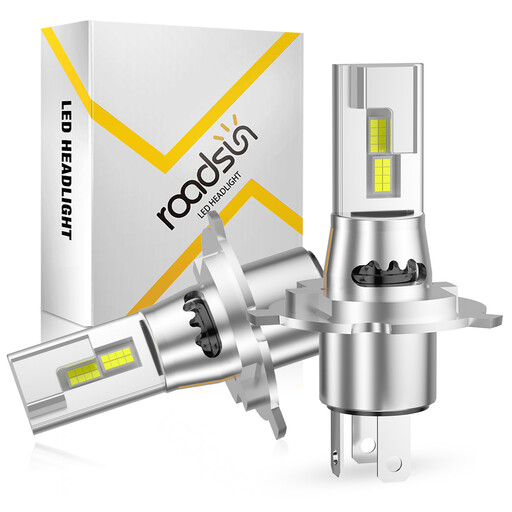
Why This Fits Their Persona: For those who rely on their car daily, especially for driving on unlit B-roads or motorways at night. This bulb prioritises longevity and consistent performance in all weather conditions.
It directly tackles the overheating flaw with a high-speed 16,000 RPM cooling fan and an aviation aluminium body, ensuring stable brightness and preventing premature failure.
Features an IP68 waterproof rating for all-weather reliability and a 1:1 halogen size for a focused beam. The active cooling supports a long operational lifespan.
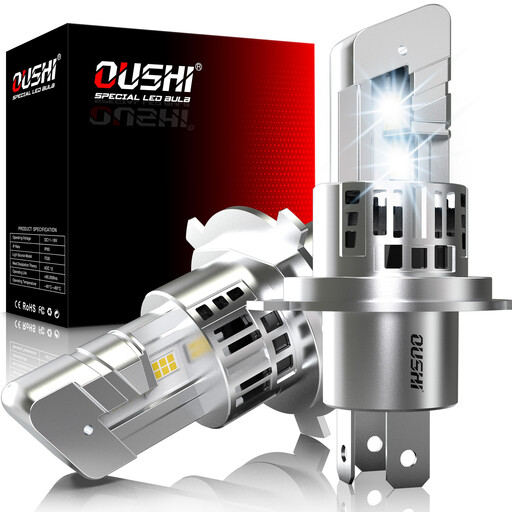
Why This Fits Their Persona: For the driver who wants the maximum possible visibility. This high-output 9003 hb2 led bulb is designed to provide a significant increase in light projection, illuminating further down the road and wider into the verges.
Despite its high power, the 1:1 halogen bulb sizing helps to control the light, preventing the uncontrolled glare of other high-lumen bulbs. Its latest-generation CANbus system is also designed for high compatibility with European cars.
Delivers a very high light output for maximum road coverage. The combination of a high-speed turbo fan and an aviation aluminium housing provides an efficient cooling system to sustain performance.
We have compiled a complete, real-time list of products that fully satisfy these strict selection criteria and UK safety regulations.
As of 2026, the rules for using LED conversion bulbs in headlights originally fitted with halogen units are specific. For a vehicle to pass its MOT, the LED bulb must produce a beam pattern that is clear, correctly aimed and does not cause dazzle. It must also maintain the function of the high and low beams. Choosing a bulb with a 1:1 halogen design is the most important step to ensure compliance. Always check the latest DVSA guidelines before fitting.
Not always. Most modern CANbus error free headlights are designed to work with the majority of vehicles without issue. However, some cars, particularly from brands like Volkswagen, BMW and Mercedes-Benz, have highly sensitive monitoring systems. For these vehicles, an additional decoder may be required to prevent flickering or dashboard error codes. It's often a case of fitting the bulbs first to see if an error appears.
For most vehicles, it is a straightforward DIY job that requires no special tools. The process typically involves opening the bonnet, removing the dust cover from the back of the headlight unit, unplugging and removing the old halogen bulb and then inserting and locking the new LED bulb in its place before reconnecting the plug. Always ensure the lights are off and have cooled down before you begin.