
24/7 Customer Support

Free returns

Same-day & Next-day Delivery

Quality Guaranteed

Unlock Your Welcome Offers: FREE Delivery | Up to 80% OFF | Free 30-day JoyPlus trial
Download the APP
Replacing halogen lamps with H7 LED headlight bulbs can make a car’s lighting look cleaner and brighter, but the headline figures do not tell the whole story. A bulb advertised as “20,000LM” or “300% brighter” may still disappoint if it does not fit the housing, creates glare or triggers a dashboard warning.
For UK drivers, the sensible approach is to check the original bulb code first, then assess beam design, electrical compatibility and cooling. This guide explains the main buying traps and matches several H7 LED bulbs to different vehicle-owner needs.
Large figures such as 20,000LM LED headlights attract attention, but lumen output is only one specification. It does not confirm how much light reaches the road or whether the beam remains properly controlled inside your headlamp housing. “300% brighter headlight bulbs” is also a product-listing claim rather than a universal result across every vehicle.
Look for information about the LED chip position, beam alignment and whether the bulb is designed to imitate the original filament position.
An H7 fitting is not automatically suitable for every vehicle. Some cars use H18 bulbs, while others require H4, H11, 9005/HB3 or 9006 fittings. The retaining clip, dust cover clearance and wiring connector can also differ.
Check the vehicle handbook, the marking on the removed bulb or a reliable fitment guide before ordering. A “universal fit” description should not replace a vehicle-specific check.
LEDs use less power than many halogen bulbs, but they still create heat around the chip and driver. Compact bulbs with no effective heat path may suffer from reduced output or inconsistent operation. Fan-cooled LED headlights can improve heat dissipation, although the fan itself adds a moving component and may produce a quiet operating sound.
Some modern vehicles monitor bulb resistance. A CANbus-ready LED bulb may reduce flickering or error messages, but “ready” does not guarantee compatibility with every vehicle. Test the lights and check for warnings after installation.
Confirm whether your car requires H7 car headlight bulbs for dipped beam, main beam or fog lights. Some listings cover H7/H18 LED bulbs, but the base and locking arrangement must still match your vehicle.
Measure or inspect the available space behind the headlamp. A bulb may have a stock-like body but still need clearance for its fan, driver or cable. The dust cover must close correctly to help protect the housing from moisture.
A 1:1 beam pattern refers to positioning the LED emitters to resemble the original halogen filament. This can help preserve the intended cut-off, but the result depends on the headlamp reflector or projector and correct installation.
After fitting, check the beam against a wall on level ground. The cut-off should be even and similar on both sides. If the light scatters above the normal cut-off or causes glare, remove the bulb and reassess compatibility. UK MOT checks include headlamp aim and condition, so a brighter-looking lamp is not automatically a compliant upgrade.
Many replacement bulbs use 6000K cool white LED bulbs, which give a crisp white appearance. Colour temperature is not the same as brightness, and a cooler colour may appear harsher in rain, mist or spray than a less blue-white option.
Review the stated cooling method, waterproof rating and operating voltage. Aluminium housings can help transfer heat, while a fan-cooled design may suit drivers who regularly use headlights for long journeys. CANbus support is useful where flickering or bulb-out warnings are a concern, but vehicle compatibility should be confirmed before purchase.
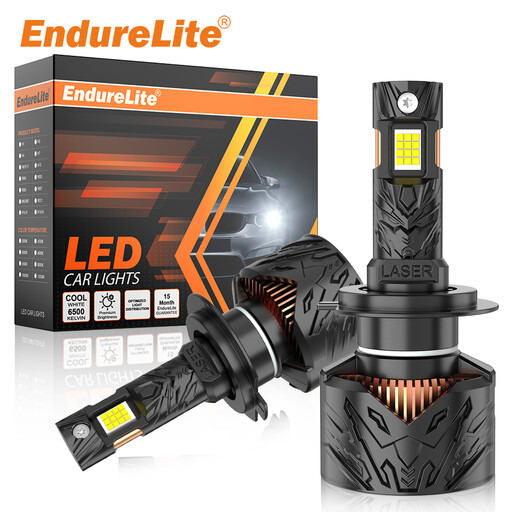
Why This Fits Their Persona: A straightforward pack for drivers replacing standard H7 halogen bulbs at home and looking for a plug-and-play installation.
Its listed H7 format and stock-style design make fitment checks more direct, while the claimed 1:1 beam design addresses concerns about uncontrolled glare.
6000K cool white output, stated 50,000-hour operating life and plug-and-play format.
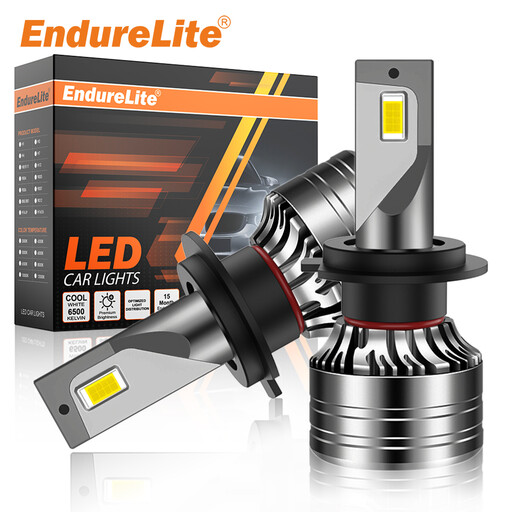
Why This Fits Their Persona: Suits drivers who prioritise beam positioning, heat management and reduced electrical interruptions for regular evening or motorway driving.
The listing specifies CSP chips, fan cooling and CANbus-ready operation rather than relying only on a brightness headline.
Fan-cooled aluminium construction, 1:1 beam-pattern description and claimed 50,000-hour lifespan.
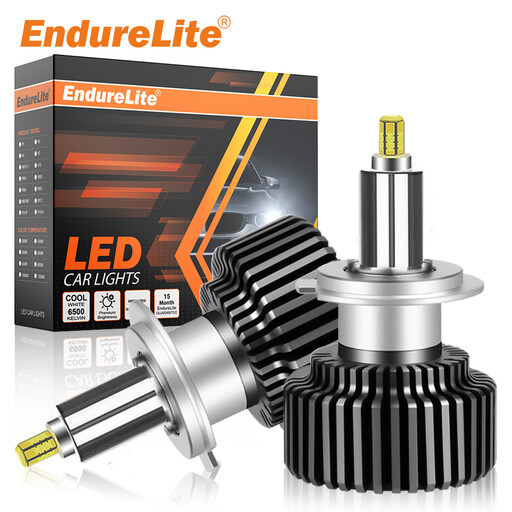
Why This Fits Their Persona: Designed for owners whose vehicle documentation allows either H7 or H18 replacement and who want active cooling for frequent use.
The combined H7/H18 designation encourages a proper bulb-code check, while fan cooling addresses heat concerns during extended operation.
360-degree CSP chip description, 6000K colour temperature and stated waterproof construction.
Before fitting:
Retrofitting LED bulbs into a halogen-designed headlamp may affect road legality, type approval and MOT performance. Check your vehicle manufacturer’s guidance and current UK requirements, and have the beam aim checked if the light pattern changes. Do not use a headlight bulb as a substitute for a legally required lamp specification.
For other fitments, the same range also includes 9005 HB3 LED bulbs, H4, H11 and 9006 options, plus T10 W5W 194 LED bulbs for interior, map, door and number-plate lighting.
We have compiled a complete, real-time list of products that fully satisfy these strict selection criteria and UK safety regulations.
Legality depends on the vehicle, lamp housing, bulb approval and current requirements. A plug-and-play design does not automatically make a retrofit road legal. Check the vehicle handbook, manufacturer guidance and MOT implications before installation.
They can have a lower stated wattage, but the actual electrical load varies by product. CANbus-ready designs may use additional electronics to imitate the original bulb load. Check the product’s wattage and your vehicle’s warning-system compatibility rather than assuming every LED replacement reduces running demand.
Several listings state an operating life of 50,000 hours, while individual results depend on heat, vibration, installation and driving conditions. Treat lifespan figures as product specifications, not a guarantee. Proper cooling and a clean, secure installation can help the bulbs operate as intended.