
24/7 Customer Support

Free returns

Same-day & Next-day Delivery

Quality Guaranteed

Unlock Your Welcome Offers: FREE Delivery | Up to 80% OFF | Free 30-day JoyPlus trial
Download the APP
Replacing dim halogen lamps with H7 LED headlight bulbs can make a vehicle feel more modern, but choosing by lumen figures alone is a common way to waste money. The correct bulb must fit the socket, sit accurately inside the reflector or projector and manage heat reliably.
This guide explains the practical checks to make before buying, followed by our top recommendations for different driving situations.
Listings may advertise figures such as 20,000LM or “800% brighter”. These numbers are usually product or pair ratings rather than a direct prediction of useful light on the road. A high output is not helpful if the LED chips sit in the wrong position or create scattered light.
A 1:1 halogen replacement bulb is designed to place its light sources in a similar position to the original filament. This can help preserve the intended beam shape, although the result still depends on the vehicle’s headlamp housing and alignment.
An H7 socket confirms the basic bulb type, not guaranteed vehicle compatibility. Space behind the lamp, retaining clips, dust covers, polarity, bulb monitoring systems and CANbus electronics can all affect installation.
Some vehicles may display a dashboard warning, flicker or require a decoder. Always check the vehicle handbook and product compatibility information before ordering. A plug-and-play LED bulb may still need extra attention on a sensitive electrical system.
LEDs produce heat around their chips and driver components. A fan, heat sink or aluminium housing can help manage it, but a fan also introduces a moving part and may need clearance behind the lamp.
For UK road use, confirm that the chosen retrofit is suitable for your vehicle and intended lamp position. Check the seller’s approval information, the vehicle handbook and current requirements relating to MOT testing, beam pattern and lamp approval. A product suitable for off-road use is not automatically appropriate for public roads.
Confirm that your original bulb is H7, rather than H4, H1, H11 or another fitting. The bulb should lock into the original holder without force and leave enough room for the rear fan, heat sink, connector and dust cover.
A compact, 1:1 design is particularly useful where the headlamp housing has limited space. Product dimensions are more useful than the phrase “universal fit”, so compare the listing images and specifications with the old bulb before purchase.
Look for narrow chip placement, a defined light cut-off and wording such as 1:1 beam pattern or “same position as stock bulb”. These features are intended to reduce stray light, but they do not remove the need for beam alignment after installation.
Many H7 LED bulbs use 6000K cool white headlights, while others use 6500K. Cool white light can appear crisp, but colour temperature is not the same as brightness or beam quality. If the vehicle is used in mist, rain or rural darkness, prioritise controlled illumination over an impressive colour description.
Aluminium alloy housings, built-in fans and IP-rated sealing are common features in car LED headlight bulbs. A listing may state IP65 or IP68 protection and a claimed operating life of 50,000 hours. Treat lifespan as a manufacturer or seller estimate rather than a guarantee: actual service life depends on temperature, vibration, driving hours and electrical conditions.
For vehicles with bulb monitoring, choose CANbus-ready LED bulbs, but remember that “CANbus-ready” does not guarantee error-free operation on every model. Check whether a separate decoder is recommended.
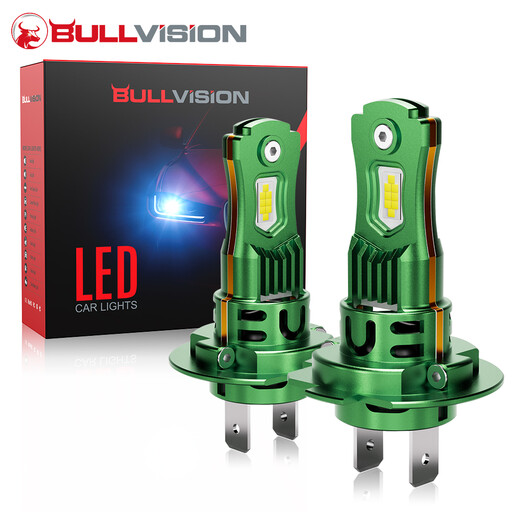
Why This Fits Their Persona: A straightforward option for drivers moving from standard halogen bulbs to LED bulbs for cars, with a 6000K colour temperature and a pack of two.
The listing specifies a 1:1 size, plug-and-play installation and an integrated design without an external connector.
6000K cool white output; stated 1:1 bulb size and 50,000+ hour claimed operating life.
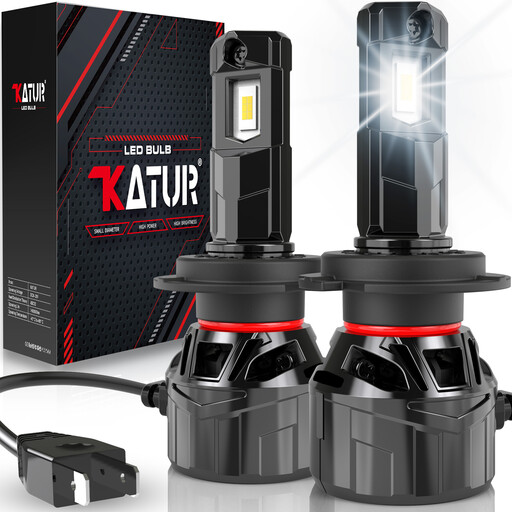
Why This Fits Their Persona: Suits drivers looking for a compact high-output kit with integrated cooling and CANbus-related features.
The listing describes a 1:1 mini format and built-in driver, while noting that sensitive vehicles can still show errors.
Integrated 16,000RPM fan; stated 6000K output and claimed CANbus decoding system.
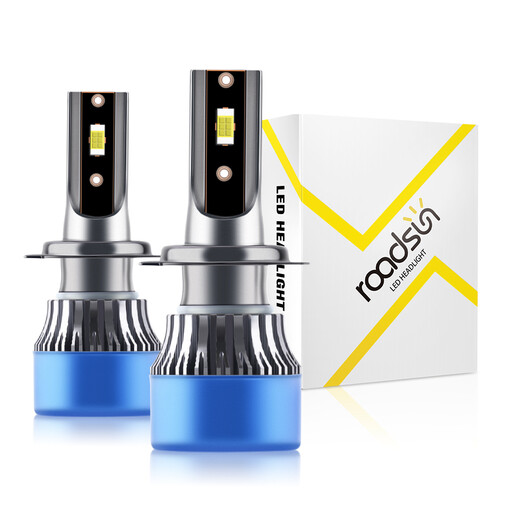
Why This Fits Their Persona: Designed for UTV, ATV and off-road users who need H7 fog light bulbs with a sealed, impact-conscious construction.
Its stated operating range, dust and water resistance address conditions that can challenge ordinary bulbs during outdoor use.
6000K colour temperature; listed temperature range of -40°C to 85°C and claimed 50,000-hour lifespan.
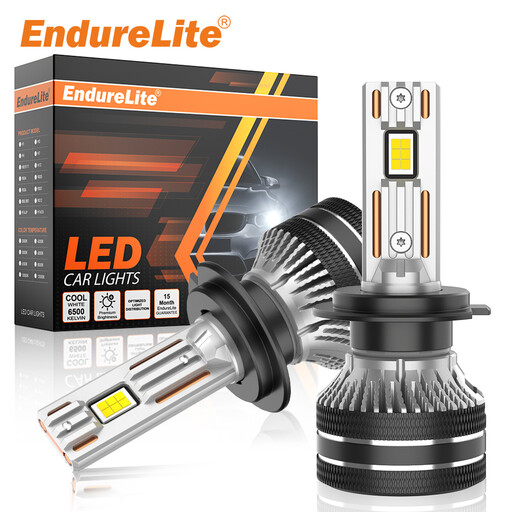
Why This Fits Their Persona: A multi-fit pack for DIY owners who want a 6000K option with a fan-cooled housing and stated CANbus readiness.
The listing provides fitment across several socket types and identifies an intelligent driver, but vehicle-specific checking remains necessary.
Aluminium alloy shell; built-in fan and stated IP68 waterproof construction.
We have compiled a complete, real-time list of products that fully satisfy these strict selection criteria and UK safety regulations.
Legality depends on the vehicle, lamp housing, bulb approval and intended use. Before fitting, check current UK requirements, MOT guidance and the product’s approval information. Never assume that a bulb described as “road legal” or “universal” is suitable for every halogen headlamp.
Not always. Some 12V H7 headlight bulbs include an integrated driver or claim CANbus compatibility, while certain vehicles may still need a separate decoder to prevent warning messages or flicker. Check the vehicle model and the product notes before ordering.
LEDs can use less electrical power for a comparable lighting application, but the saving depends on the bulb’s actual wattage and how often the vehicle is driven. Compare the stated pair wattage rather than relying only on brightness claims, and factor in purchase price, installation and compatibility accessories.