
24/7 Customer Support

Free returns

Same-day & Next-day Delivery

Quality Guaranteed
Download the APP
Categories
Frequent colouring, heat styling and chemical treatments can leave hair feeling brittle, dry and prone to breakage. While traditional conditioners offer surface-level softness, they often don't address the underlying structural damage. This is where a hair bond repair treatment comes in, offering a more advanced approach to restoring your hair's health from the inside out.
If you've noticed your hair has lost its resilience and shine, you're likely searching for an effective at-home bond repair solution. The market is filled with options, each promising remarkable results. This guide is designed to help you understand what to look for in a treatment for damaged hair, so you can make an informed choice that suits your specific needs and routine.
Navigating the world of molecular hair repair can feel complex. To simplify your decision, consider these key factors before making a purchase.
Bond repair treatments come in several formats, and the right one for you often depends on your lifestyle and hair care routine.
The technology behind these treatments is what sets them apart. While you don't need a degree in chemistry, knowing what to look for can help you repair chemically damaged hair more effectively. Look for products that feature ingredients designed for structural repair, such as:
Not all damage is equal. Hair that is slightly dry from occasional heat styling has different needs than hair that has been repeatedly bleached. Read the product descriptions carefully to match the treatment's intensity to your hair's condition. Some are formulated for all types of damage, while others are specifically targeted at extremely compromised hair.
As a Joybuy Product Recommendation Officer, my role is to filter market information to provide practical shopping advice. Here are three noteworthy options that address hair damage in different ways.
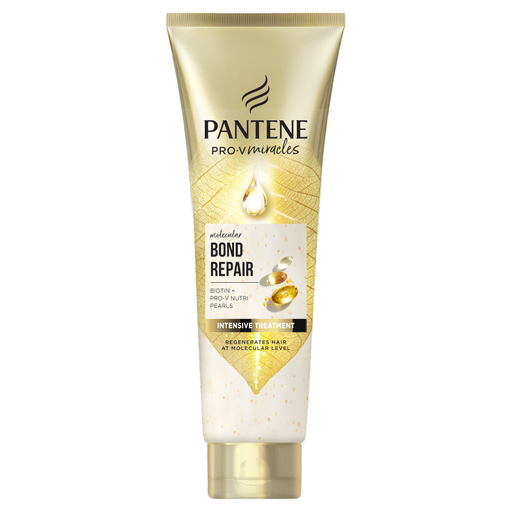
Why It Stands Out: This treatment uses a unique delivery system with over 5,000 Pro-V Nutri Pearls that dissolve into the cream upon application. It's designed to provide an intensive dose of nutrients and biotin to regenerate hair at a molecular level within a traditional in-shower mask format.
Pros:
Who is it for? This is an excellent choice for individuals with very dry or damaged hair who prefer a rich, deep-conditioning mask as part of their regular wash-day routine. It's ideal for those seeking a nutrient-focused hair breakage treatment.
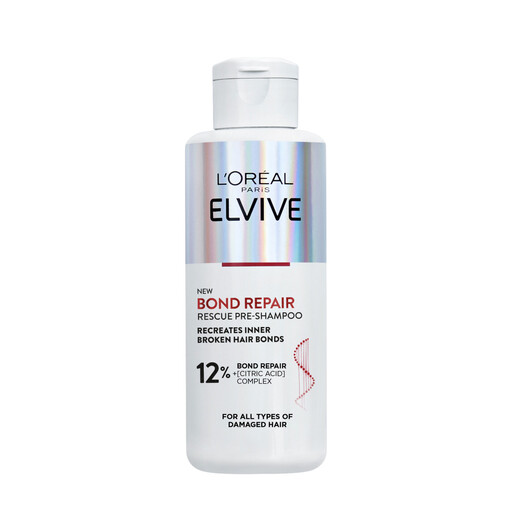
Why It Stands Out: This product's key differentiator is its role as a pre-shampoo treatment. Powered by a Citric Acid Complex, it targets broken bonds as the very first step in your hair care routine, preparing the hair for cleansing.
Pros:
Who is it for? This is perfect for those who want to add a powerful repair step to their existing routine without giving up their favourite conditioner. It's a great option for anyone looking for a versatile hair strengthening treatment that can be easily incorporated before any wash.
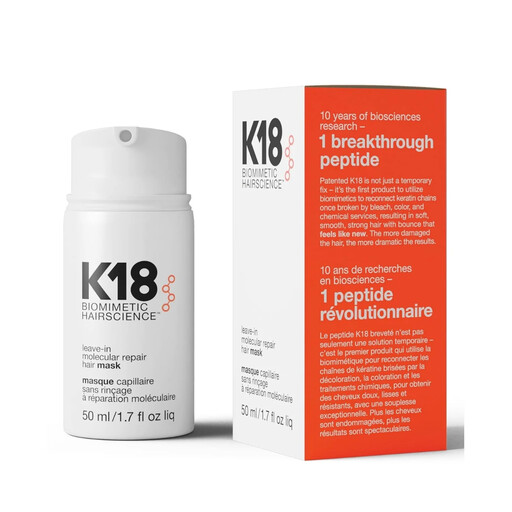
Why It Stands Out: The K18 mask is a professional-level, leave-in treatment centred around its patented sh-Oligopeptide-78 (K18PEPTIDE). Its primary appeal is its speed and efficiency—no rinsing required. It works to reconstruct broken molecular chains in minutes.
Pros:
Who is it for? This mask is aimed at those seeking a potent and fast-acting solution for significant damage. It is particularly well-suited for busy individuals or those who want to repair chemically damaged hair with a salon-grade product at home.
These three products represent some of the different approaches available for at-home bond repair. However, the right choice is always a personal one. If you're still exploring or have different hair concerns, you can browse our wider collection of hair repair masks for more choices.
1. How often should I use a hair bond repair treatment? This depends entirely on the specific product and the condition of your hair. Some, like pre-shampoo treatments, may be recommended for every wash. More intensive masks are often suggested for weekly use. Always read and follow the directions on the product packaging for optimal results.
2. Can bond repair treatments really fix split ends? While these treatments are excellent for strengthening the hair shaft and preventing new split ends from forming, they cannot physically fuse existing ones back together. A hair breakage treatment improves the hair's overall integrity and appearance, making damage less noticeable. The only way to permanently remove existing split ends is with a haircut.
3. What's the difference between a bond repair treatment and a deep conditioner? A traditional deep conditioner primarily works on the outer layer of the hair, the cuticle. It provides moisture, lubrication and shine, making hair feel softer and more manageable. A hair bond repair treatment is formulated to penetrate deeper into the hair's cortex to work on a structural level, helping to rebuild the broken bonds that give hair its strength and elasticity.