
24/7 Customer Support

Free returns

Same-day & Next-day Delivery

Quality Guaranteed

Unlock Your Welcome Offers: FREE Delivery | Up to 80% OFF | Free 30-day JoyPlus trial
Download the APP
Dry, brittle and damaged hair can be difficult to manage, particularly when cold weather, indoor heating, hard water, humidity and frequent heat styling are part of everyday life in the UK. The right routine should improve manageability without leaving strands greasy, weighed down or coated with unnecessary layers.
However, attractive packaging and bold claims do not always reveal whether a product suits your hair. Before buying hair care products for dry and damaged hair, look beyond promises of instant transformation and assess the formula, intended use and compatibility with your hair type.
Silicones, conditioning agents and oils can make hair feel smoother immediately by reducing surface friction. That can be useful for detangling and styling, but it does not mean the internal structure of damaged hair has been restored. Consider whether you need daily softness, a rinse-off hair repair treatment, or protection from further heat and friction.
A heavy mask or oil may suit thick, porous hair but leave fine or loosely wavy hair flat. Conversely, a lightweight conditioner may not provide enough slip for tightly curled or coily hair. Match the product’s texture to your strand thickness, porosity and styling routine rather than choosing the richest formula available.
A sulphate-free shampoo may be preferable for some dry, curly or colour-treated hair, especially if stronger cleansing leaves the hair feeling stripped. Yet a sulphate-free label alone does not guarantee hydration. Check the complete ingredient list and consider how much styling product, dry shampoo or oil you need to remove.
For dry hair, look for a shampoo that cleans the scalp effectively without requiring repeated, harsh washing. Formulas containing conditioning polymers, glycerine, panthenol or oils may help improve the feel of the lengths. Curly and coily hair often benefits from a gentler wash schedule, while an oily scalp may need more frequent cleansing.
The John Frieda Frizz Ease Dream Curls Shampoo is labelled sulphate-free and is designed for curly and wavy hair. The range also identifies itself as colour-safe and uses rosehip oil in its ingredient list. By comparison, the OGX Coconut Miracle Oil Shampoo and OGX Renewing+ Argan Oil of Morocco Shampoo use sulphate-free surfactant systems while focusing on softness and moisture.
A useful detangling conditioner should provide enough lubrication for fingers or a wide-tooth comb to move through the lengths with less pulling. Apply conditioner mainly from the mid-lengths to the ends, unless the product instructions state otherwise.
For textured hair, a pre-wash step can be valuable. The Color Wow Curl Snag Free Pre Shampoo Detangler is designed for curly, coily and textured hair and is applied to dry hair before shampooing. Its listed ingredients include cetrimonium chloride, panthenol, glycerine and hydrolysed keratin.
If you regularly use a hairdryer, straighteners or heated styling tools, look for clearly stated heat protection for hair and follow the product’s usage instructions. Do not assume that every conditioner or oil offers heat protection.
For frizz in damp UK weather, humidity-resistant hair care can help with styling control. Colour-treated hair may also need products specifically labelled colour-safe. Always check the current packaging, as formulas and directions can change.
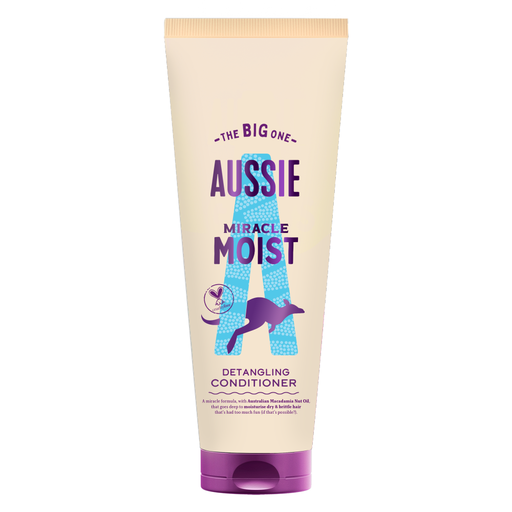
Why This Fits Their Persona: A straightforward rinse-off option for shoppers building a basic moisture and detangling routine without adding multiple treatments.
It focuses on a clear function—conditioning and detangling—rather than relying on a broad repair promise. Apply it to lengths and ends to avoid unnecessary scalp build-up.
Macadamia seed oil is listed in the ingredients, and the formula is intended to leave hair softer and easier to comb.
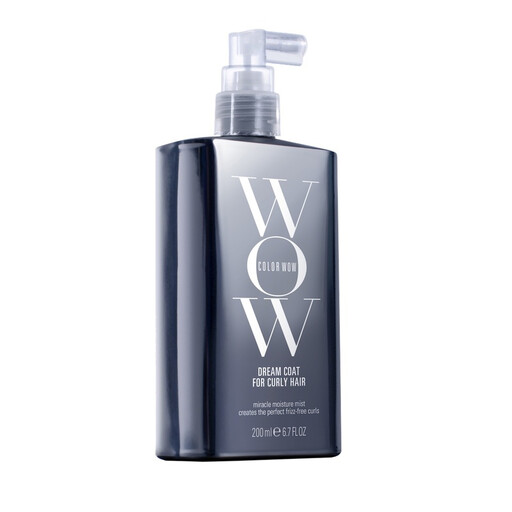
Why This Fits Their Persona: Suits shoppers who want a dedicated anti-frizz step for curly or colour-treated hair and are comfortable using heat during styling.
The instructions specify application to towel-dried hair followed by blow-drying with tension, making the heat-activation requirement clear.
The product is described as humidity-resistant and lightweight, with a 200ml size suited to regular styling.
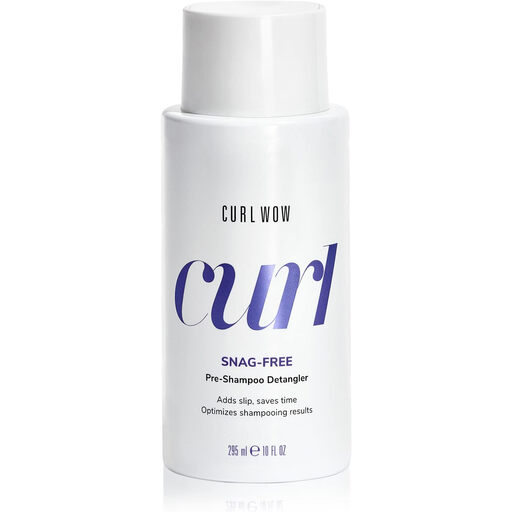
Why This Fits Their Persona: A practical choice for people with tightly textured, curly or coily hair who experience significant knots before wash day.
It is used before shampooing, so detangling does not depend solely on a rinse-off conditioner after the hair has already become wet and more vulnerable to pulling.
The lightweight spray is designed to loosen tangles before cleansing and rinses away with shampoo.
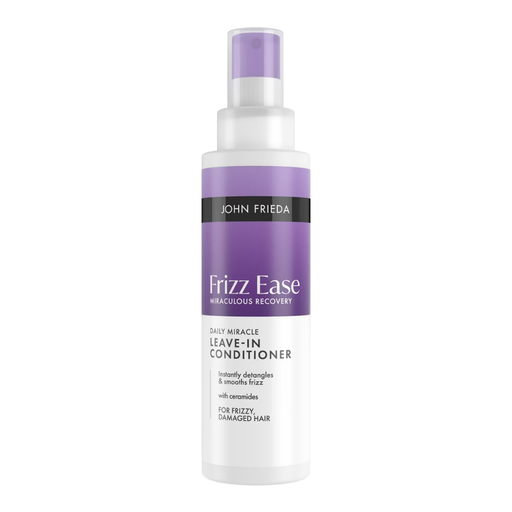
Why This Fits Their Persona: Designed for adults who regularly blow-dry or use heated tools and want a no-rinse product for the lengths.
The product directions specify mid-length-to-end application and no rinsing, reducing the risk of applying a rich leave-in layer directly to the scalp.
The product description states heat protection up to 230°C and suitability for colour-treated hair; follow the packaging directions for use.
We have compiled a complete, real-time list of products that fully satisfy these strict selection criteria and UK safety regulations.
Start with one cleanser and one conditioner suited to your texture. Add a weekly hair mask if the lengths remain rough, then introduce an anti-frizz spray or leave-in product only when you have identified a clear need.
For curls, consider curl-enhancing products that support definition without requiring excessive brushing. Apply products in sections and detangle from the ends upwards. For chemically processed or bleached hair, alternate moisture-focused conditioning with a treatment designed for damaged hair, while limiting high temperatures and tight hairstyles.
Always patch-test new products where appropriate, avoid contact with the eyes and stop use if irritation develops. Check the packaging for the latest ingredient list, storage guidance and shelf-life information.
A suitable shampoo, conditioning treatment and leave-in product form a practical starting point. Add a detangler for curly or coily hair, a mask for particularly dry lengths and a heat-protective product if you style with heated tools.
Many masks are intended for weekly or occasional use, but the correct frequency depends on the formula and your hair’s response. If hair feels coated, limp or difficult to style, reduce use and focus conditioner on the ends.
They can be useful when stronger cleansing leaves hair feeling dry or affects curl definition, but they are not suitable for every routine. Consider scalp oiliness, product build-up, wash frequency and the complete formula before deciding.